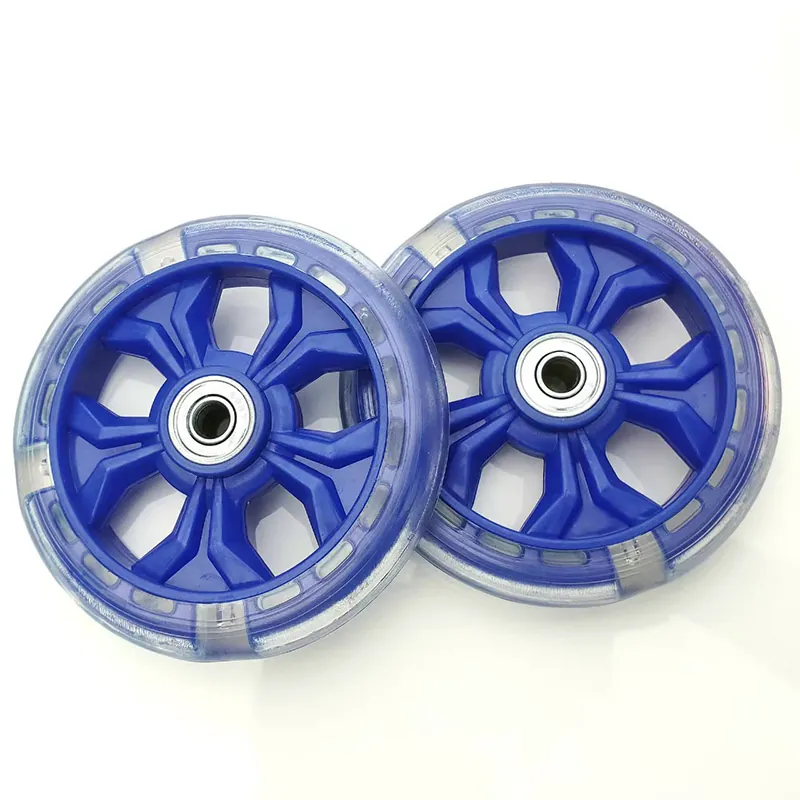
Bike Parts Procurement Support
Bike parts orders are easier when the buyer shares the use case first. Parts for trade service, replacement programs and complete bicycle matching may need different packing and quantity planning.
Procurement Details
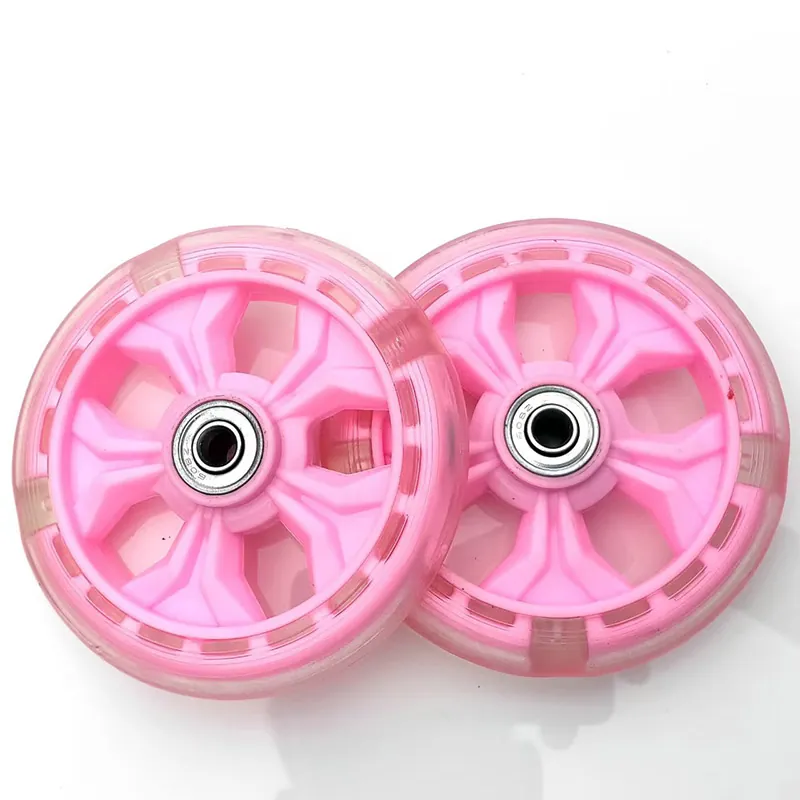
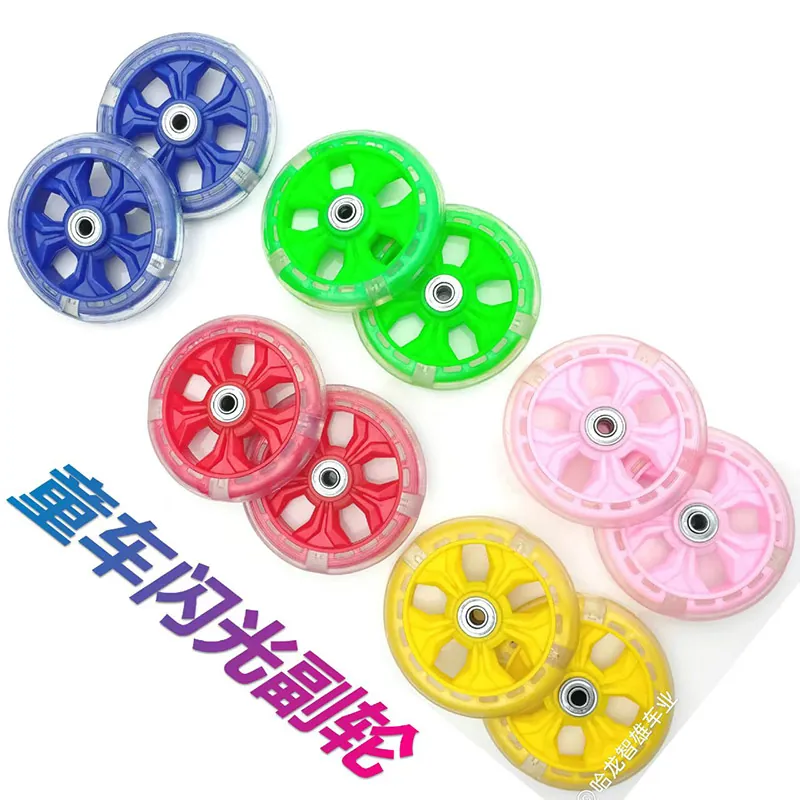
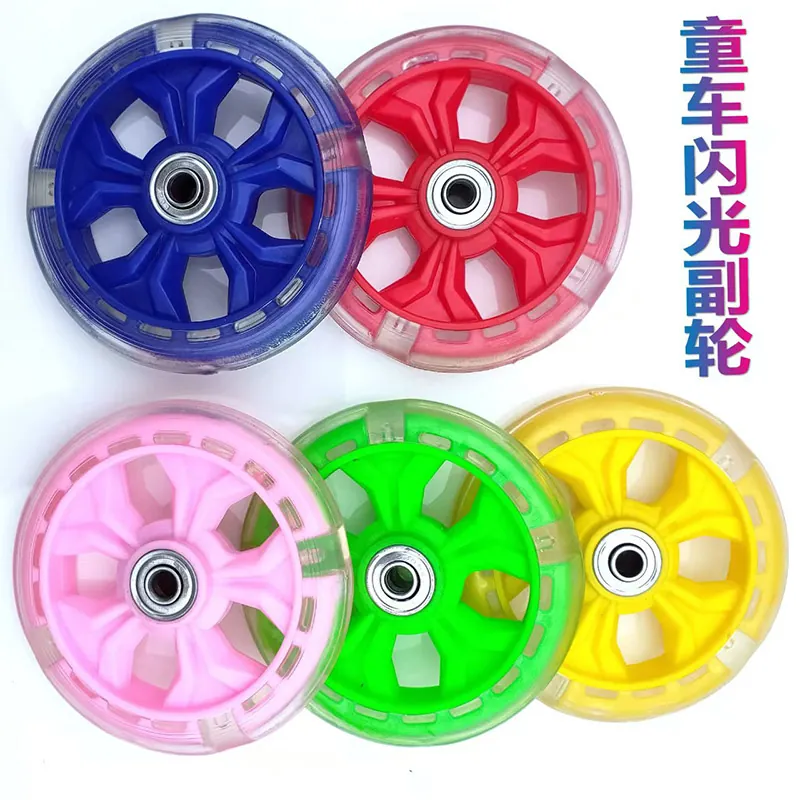
- Part name, model photo and size information
- Target bicycle category and compatibility needs
- Bulk quantity and carton marking requirements
- Shipment coordination with bicycle orders
Before Ordering
Send clear photos and quantities. If the part must match a specific bicycle, include the bicycle photo or original specification.
On this page
Parts procurement is the part of the business where a spreadsheet quietly decides the margin. Bikes are bought by the container and counted by the model; parts are bought by the pallet and counted by the bag, and the errors are smaller per line but larger in total.
This page is the procurement structure for importers and wholesalers buying bicycle parts, whether alongside bikes or on their own.
Structure the parts list before asking for prices
| Column | What it holds | Why it matters |
|---|---|---|
| Part reference | Your own code, plus supplier’s | One item must have one identity in every document |
| Fit standard | Thread, diameter, clamp or bearing size | Compatibility is the main source of mismatch |
| Applies to model | Which bike models consume it | Turns generic parts into forecastable demand |
| Annual quantity | 12-month usage, not a guess | Drives the price tier and the packing |
| Minimum pack | Bag, inner box, carton | Prevents ordering 200 pieces as 200 bags |
A list with those five columns can be quoted. A list of photos cannot.
Cost per bicycle, not cost per part
Parts prices are almost impossible to compare per unit, because pack sizes vary. Convert everything to a per-bike figure:
- annual parts cost ÷ annual bikes sold = parts cost per bike
- compare that number across suppliers, not the piece price
- then split it: consumables, warranty provision, accessory attach
When a supplier’s piece price looks 8% cheaper but the pack size is 10 instead of 20, the per-bike cost rises. The pack, not the price, decides.
Freight consolidation arithmetic
| Scenario | Effect |
|---|---|
| Parts inside the bike container | No separate freight; cube taken from bikes |
| Parts in their own LCL shipment | Minimum charges and destination fees per shipment |
| Parts consolidated with other suppliers | Lower freight, higher coordination and label risk |
Small parts orders rarely justify their own shipment: the fixed charges can exceed the goods value. Either fold them into the bike container or batch them into a quarterly consolidation. The LCL maths is in LCL versus FCL.
Ordering cycles differ from bike cycles
Bikes are seasonal; parts are not. A workable pattern:
- Consumables: quarterly, matched to the models you sell.
- Warranty items: with each bike order, at a ratio, so you never air-freight a $4 part.
- Accessories: twice a year, ahead of the retail season.
Ordering parts on the bike calendar means running out in month two of a six-month season, and paying express freight for something that should have shipped in the container.
Packing and labelling requirements
- One SKU per bag, labelled with reference and quantity.
- Inner boxes for anything that can bend or scratch.
- A carton summary sheet listing every SKU inside.
- Carton dimensions compatible with your racking.
- Photos of packed cartons before loading.
A parts carton without a summary sheet costs warehouse hours on arrival, which is the most expensive form of freight.
Replacing versus stocking
| Item | Stock | Order on demand |
|---|---|---|
| Tyres, tubes, pads, chains | Yes, matched to the range | No |
| Derailleurs, shifters | Small buffer only | Yes, with a known lead time |
| Frames, forks | Warranty provision | Yes |
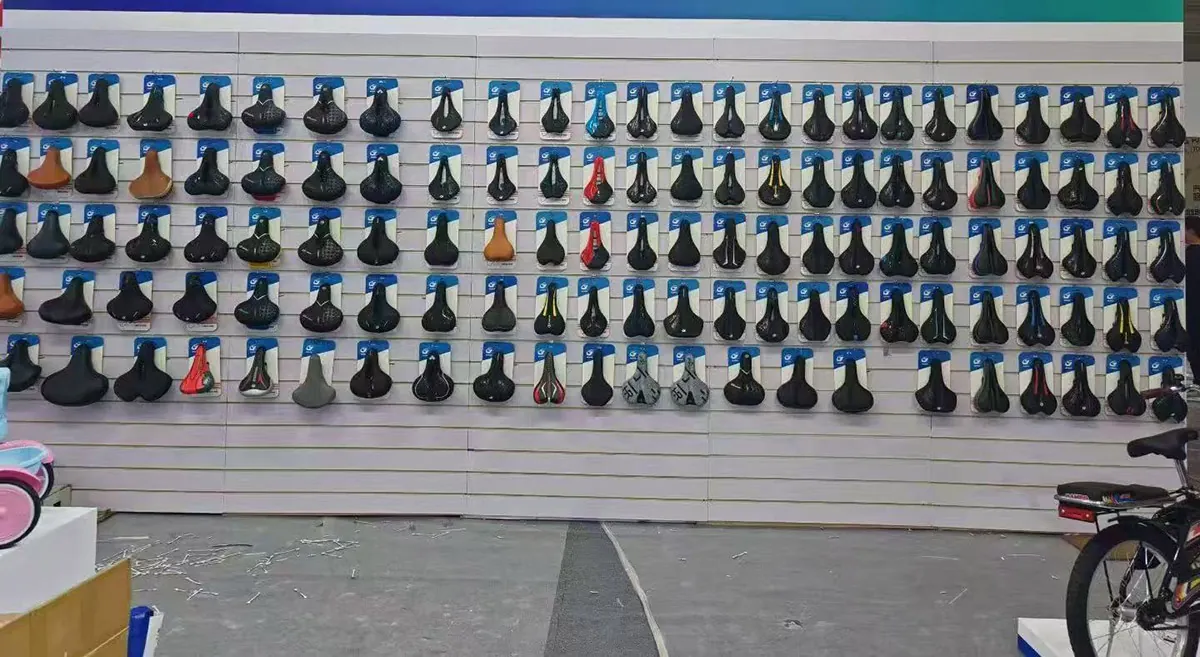
| Cosmetic items (grips, saddles) | Main colour only | Yes for secondary colours |
What to send a supplier
- Part list with reference, fit standard and pack size.
- Annual and first-order quantities.
- Models the parts apply to.
- Packing and labelling instruction.
- Whether parts ship inside the bike container.
- Sample requirement for new items.
Questions buyers ask
Should we buy parts from the bike supplier?
For matching parts, yes — the reference is already correct. For commodity items, a specialist may be cheaper, but you then own the fit risk.
How do we set the first parts quantity?
From expected claims and consumable use per bike sold, not from a catalogue minimum. Adjust after one season of data.
Is LCL ever right for parts?
For a large, planned order yes. For small top-ups the fixed charges usually eat the saving.
What is the most common parts error?
Quantity counted per carton instead of per bag, and fit standard left unstated.
Do we need third-party inspection on parts?
For new items, a dimension and fit check on a sample. Full AQL is rarely worth it on commodity parts.
Next step
Send your parts list with references and pack sizes through the RFQ page. Related: parts procurement checklist and spare parts container mix.