On this page
A component change notice is the document that keeps a running programme honest. Without it, a supplier can substitute a part that looks the same, fits the same, and quietly changes the bike the buyer approved.
This page covers what a notice has to state, when it has to arrive, and how to decide whether a change is acceptable, acceptable with a note, or a reason to hold the shipment.
Why a notice exists
Change notices are costed per component. The RFQ takes the model, quantity and the parts likely to move; the answer sets the price effect and the cut-off date.
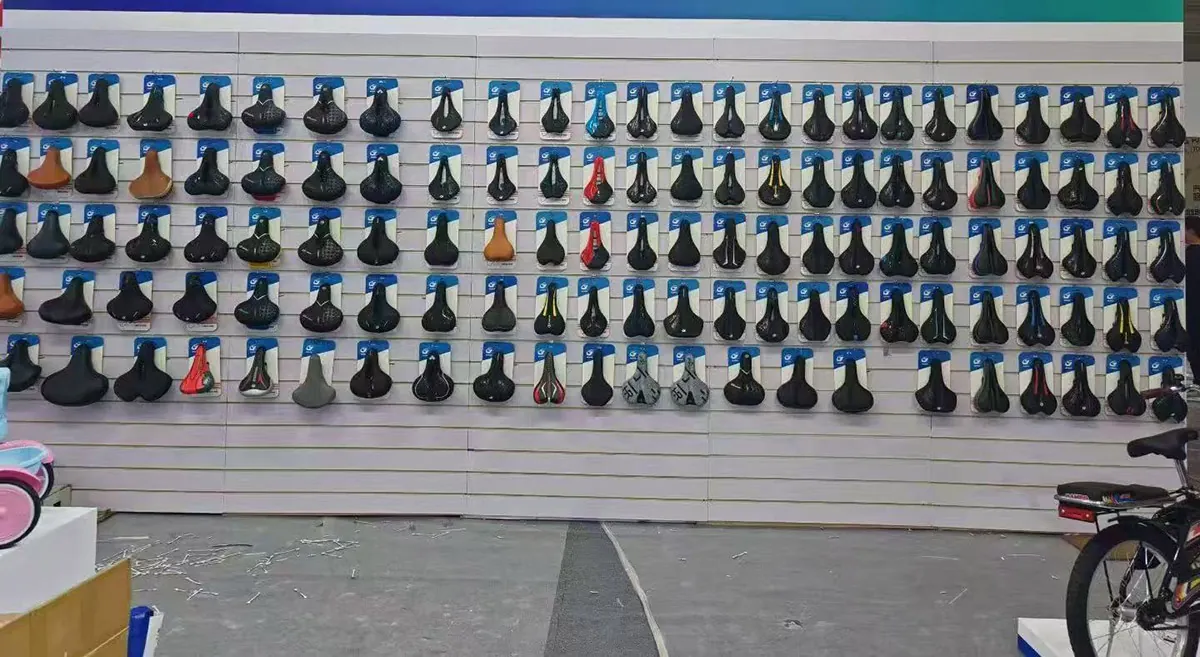
Component supply is not stable. A maker discontinues a saddle, a rim profile changes, a brake lever gets a new finish. Each of those is a real change on a bike the buyer has already approved, and each is invisible in a carton. The notice is the only place where it becomes visible before the dealer sees it.
What a notice has to state
| Field | Why it has to be there |
|---|---|
| Old part and new part, with maker and model | Identifies exactly what changed, not just the category |
| Interface: does it still fit the same frame | Separates a cosmetic change from a structural one |
| Reason for the change | Discontinuation, price, availability, improvement |
| Affected models and quantities | Decides whether it is a batch issue or a programme issue |
| Effective date and first batch | Stops a change appearing mid-container |
| Effect on price and on the parts list | Shows whether the dealer’s catalogue has to change |
Three answers, not two
Most buyers treat a notice as approve or reject. A third answer is usually the right one: accept the change, update the parts list and the catalogue, and keep the price. That answer protects the programme and keeps the record straight, and it is only possible if the notice arrives early enough to act.
Timing and escalation
- Notice before the material is ordered for the affected batch.
- Silence is not approval: if no answer arrives, the change waits.
- A change that alters the interface goes back through the first article, not just the notice.
- Any change found after packing is a deviation, and should be reported as one.
The cost of the process is a form and a reply. The cost of skipping it is a container of bikes that are not the ones the dealer ordered.
What the three answers look like in practice
| Change | Usual answer | Why |
|---|---|---|
| Saddle discontinued, same rail and width | Accept, update parts list | Rider cannot tell; spare parts unchanged |
| Brake lever with a new finish, same pull ratio | Accept with a note | Cosmetic, but the catalogue photo changes |
| Rim profile changed, same ERD | Accept after wheel check | Spoke length unchanged, but run-out needs a check |
| Fork with different rake | Hold, re-approve | Handling changes; the approved sample no longer applies |
| Frame material or tube set | Reject for the batch | Structural change; new first article required |
The table is the whole argument: most changes are administrative, a few are structural, and the notice is what tells them apart before the bike is built.
Questions buyers ask
Do I need a component change notice for every order?
You need the rule in every order even if no notice is issued. Define free change, approval needed and rejection, then require a written notice for the second and third categories.
Is a different maker at the same specification acceptable?
Only if you agreed it is. A maker change can alter feel, weight, durability and certification even at the same nominal specification, so it belongs in the approval category unless you have written otherwise.
When should the notice arrive?
Before the affected model is packed. A notice after loading is information, not a decision, because there is no remedy left except a claim.
What if the factory says there is no alternative part?
Then it is a schedule decision, not a specification decision. Ask for the alternative with a date, or accept a partial shipment of the affected model. Either way, get it in writing before the line runs.
Should notices be attached to the first article record?
Yes. The first article defines the reference and the notice amends it. Keeping them together means the next inspection has one baseline instead of two conflicting documents.
Related guides
- First Article Approval Before Bicycle Mass Production
- Bicycle Order Amendments: What Each Change Costs
- Bicycle Quotation Sheet Pitfalls
Send us your order details
If you are building a range and want a price against a real specification, send the model list, the quantity per model, the destination port and whether the order is OEM or our own decals. We quote on that, not on a photo. Write to our contact page or bolunmaoyi@gmail.com.
Working terms: MOQ 100 units per model, 30 percent deposit with the balance before loading, 25 to 30 days in normal season and 30 to 45 days in peak season, FOB Tianjin or Qingdao. CIF and DAP are quoted separately.
Category: bicycle parts wholesale range — categories, MOQ and mixed cartons. · Site map