
An importer who paid one price in spring and sees a quotation 8 percent higher in autumn is not necessarily being squeezed. Bicycle prices move for reasons that can be traced: steel and aluminium, components, freight, exchange rates, and the quantity structure of the order itself.
Understanding which of those is responsible is the difference between accepting a bad number and negotiating a defensible one.
Separate the cost layers
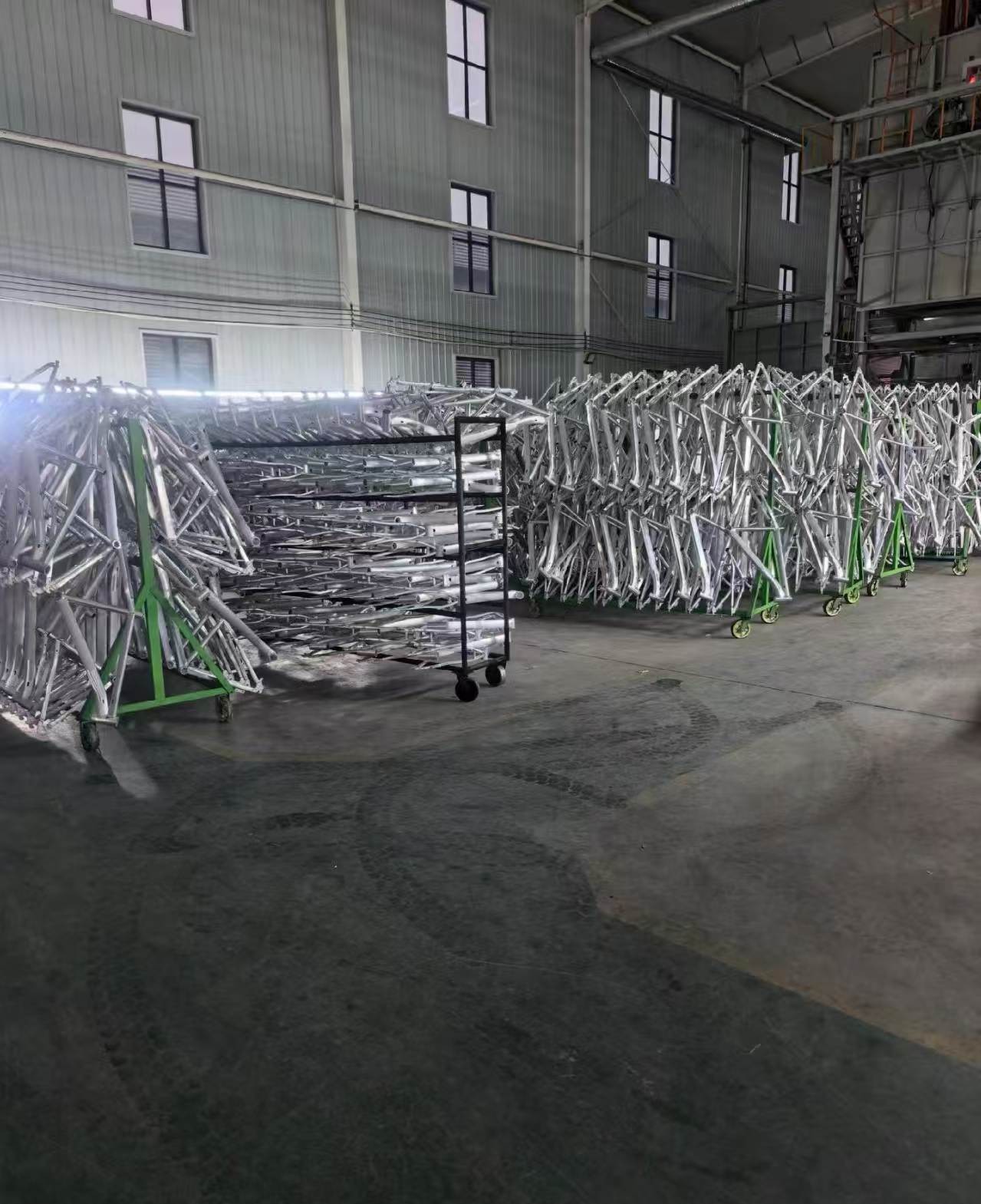
A bicycle’s factory cost has four layers: frame and fork, components (drivetrain, brakes, wheels, tyres, saddle, grips), labour and paint, and packaging. Each layer has its own price driver and its own volatility.
Frame and components are commodity-linked: steel, aluminium, rubber and bearings move with market prices, and component lead times move with global bicycle demand. Labour and paint are relatively stable but sensitive to energy costs and environmental compliance.
Asking a supplier to break the price into these layers is reasonable, and a supplier who cannot is either working through a trading company or pricing from memory.
Freight is the layer that changed most
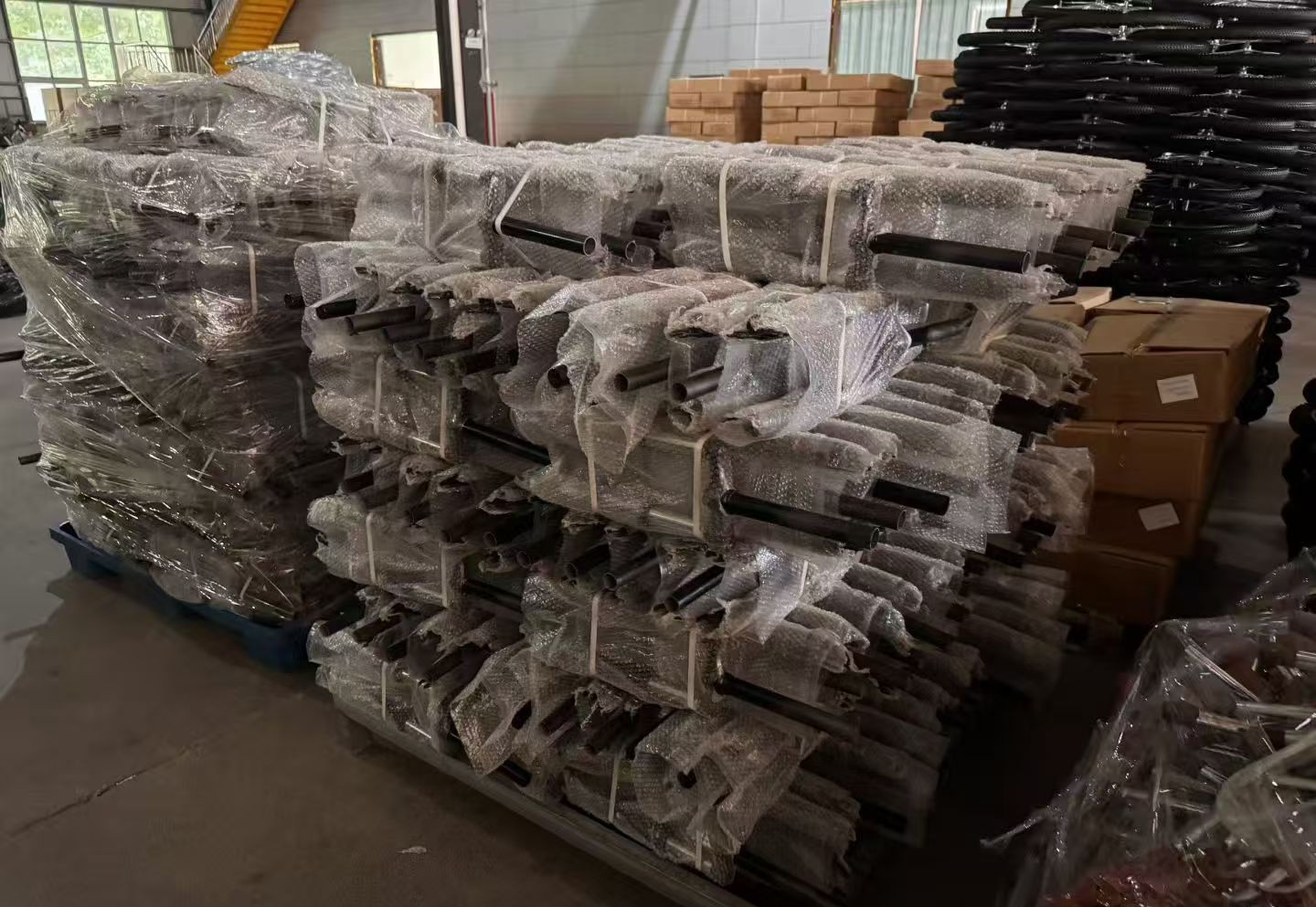
Ocean freight has been the largest single swing in landed cost in recent years. It is also the layer an importer can influence: consolidation, carton efficiency, port choice and shipping line selection all change the number.
Two practical points follow. First, a quotation should state whether freight is included, and if so, at what rate and for how long. Second, freight should be re-quoted at booking rather than assumed from the quotation date, because the sailing date is what determines the rate.
Exchange rate and the currency of the quotation
If the quotation is in US dollars and the supplier’s costs are in renminbi, an exchange movement changes the supplier’s margin without changing the cost base. Some suppliers price in the knowledge of that exposure; others do not, and adjust later.
The practical approach: agree the currency, state whether the rate is fixed for the validity period, and if the order runs longer than the validity, agree a re-quote rule with a defined reference rate.
The quantity effect
Part of any price change is not a price change at all: it is a different quantity structure. A price quoted for 300 units per colour at 40HQ volume is not comparable to a 150-unit order with four colours.
Before accepting a higher quote, check whether the order structure changed: models, colours, sizes, packing, carton quantity, or the assembly state. Each of those moves the unit price independently of material costs.
What a good quotation states
A quotation that can survive a review states: the specification version, the price term, the carton data, the MOQ structure, the validity period, the currency and rate basis, and the conditions under which the price would be re-quoted.
That last item is the one most often missing, and it is the one that prevents arguments. A supplier who says “price valid 30 days, subject to component cost movement above 5 percent with documentary evidence” is easier to work with than one who says “price is firm” and then emails a revision.
How to negotiate a justified increase
When an increase is documented, the negotiation is about sharing it, not denying it. Three approaches work in practice:
Rebalance the specification. A different saddle, tyre or brake model can absorb part of the increase without changing the product’s position in the market.
Change the structure. Larger quantity per colour, simpler colour set, or a more efficient carton can reduce the unit cost.
Split the increase across the order. If the increase is 6 percent and the order is large, a phased price for the first shipment and the new price for the second is sometimes acceptable to both sides, particularly where the supplier is protecting a long-term account.
Where the increase cannot be justified with evidence, the answer is a different supplier, or a different specification — not a discount request without a basis.
Keep a price history
The file that pays for itself is a simple table per model: date, specification version, quantity structure, unit price, price term, freight rate, currency and rate. After three orders it shows which layer is actually moving, and it makes a supplier’s explanation checkable in a minute.
BOLUN’s quotation guide lists the fields that make two offers comparable, the landed cost guide shows where each layer enters the total, and the shipping terms guide covers the freight side. For the quantity side, the MOQ guide explains how structure changes price.
Ranges and specifications sit under children’s bicycles, mountain bicycles, city bicycles and compatible parts.
Six questions when a price goes up
- Which layer moved: frame, components, labour, packaging or freight?
- Is the specification the same version as the last order?
- Is the quantity structure the same?
- Is the currency basis the same, and at what rate?
- What is the validity period and the re-quote condition?
- What can be changed in the specification or structure to offset part of it?
A price increase that survives those six questions is usually real. One that does not is usually negotiable.
Related guides on this site
Other guides in this series cover the decisions that sit next to this one:
All buyer guides on this site are indexed on the bicycle wholesale buying guides page.