
A bicycle order is not ready to ship when the last carton is closed. The importer still needs to know who books the main carriage, when risk transfers, how each model is identified inside the container, which documents will be issued, and what evidence will be available if cartons arrive short or damaged. These decisions belong in the purchase and shipping plan before the vessel booking is confirmed.
This guide gives bicycle importers a practical way to align container loading and shipping terms with the supplier and forwarder. It does not promise a standard container quantity, transit time or freight rate. Those depend on the bicycle model, carton dimensions, destination, carrier and booking date; obtain current figures for the actual shipment.
To compare the product scope before planning a shipment, review BOLUN’s children’s bicycle range, mountain bicycle range and compatible parts range. Confirm the actual models and carton mix against your order.
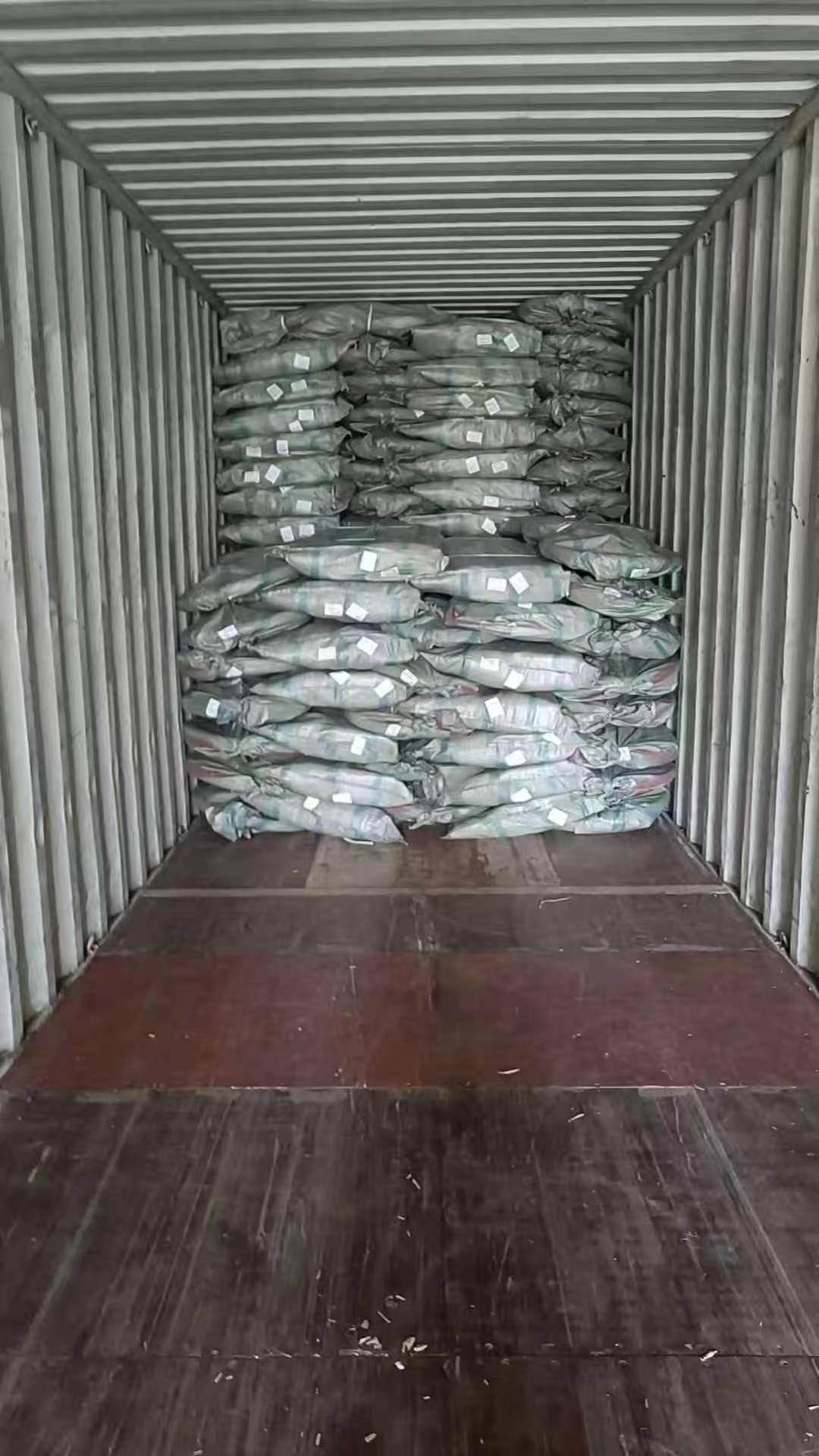
Start with the commercial term and named place
“FOB China” or “CIF Europe” is not a complete shipping instruction. The purchase order should identify the chosen Incoterms® 2020 rule and the exact named port, terminal or place required by that rule. Incoterms allocate delivery obligations, certain costs and risk-transfer points between seller and buyer; they do not replace the sales contract, define ownership transfer, or set the payment method. Ask the buyer’s forwarder and trade adviser to confirm the exact wording for the transaction.
For example, if the parties choose a sea-only rule, the named port must be specific. If a multimodal rule is used, the named place should match the actual delivery handover. The quotation, sales contract, shipping instruction and booking should all use the same term and named place. A mismatch between “port of loading” and “place of delivery” can create arguments about who pays a local charge or where the seller’s delivery obligation ends.
Under Incoterms® 2020, the rules differ in which party arranges carriage, handles export or import formalities, and bears costs or risk at each stage. Do not choose a term simply because it is familiar or appears on an older order. The ICC Incoterms® 2020 overview describes the rules and their role; consult the contract text and a qualified trade professional when deciding which rule fits your route.
Confirm the shipment basis before the booking
Before asking for a container plan, provide one consolidated shipment sheet with:
- Purchase order number and the confirmed model codes or revisions.
- Quantity by model, size, color and carton type.
- Carton length, width and height for each packing configuration.
- Gross and net weight per carton where supplied and verified.
- Units per carton, carton count and any pallet or no-pallet instruction.
- Destination, required ship window and agreed Incoterms® 2020 term.
- Whether the booking is a full container load, less-than-container load, or another arrangement.
Carton dimensions must refer to the actual approved packaging. Do not estimate container capacity by dividing a container’s internal volume by a single carton volume: usable loading depends on carton orientation, strength, weight distribution, access, bracing and the carrier’s limits. Ask the supplier or forwarder to prepare the load plan against the exact carton mix, then review it before the booking is finalized.
If the order mixes complete bicycles, parts and accessories, list each item group separately. Keep model names and carton marks consistent across the purchase order, packing list and loading record. A mixed container is easier to receive when the buyer can match each carton range to a model or product group without unpacking the full load.
Agree who controls each shipment task
A simple responsibility matrix prevents “I thought you were booking it” problems. Assign a named owner and due date for each step.
| Task | Confirm in writing |
|---|---|
| Carrier or forwarder booking | Who requests the booking and approves the sailing |
| Pickup and container availability | Who coordinates the empty container and loading date |
| Export clearance | Which party or broker prepares the export filing under the agreed term |
| Loading supervision | Who checks model count, carton condition and loading sequence |
| Shipping instructions | Who supplies consignee, notify party and document details |
| Document draft approval | Who checks the draft bill of lading and packing list |
| Charges and exceptions | Which party pays each named local, origin, destination or amendment charge |
| Cargo insurance | Who arranges it and what evidence will be supplied |
This matrix does not override the chosen Incoterms rule or the written sales contract. It makes operational tasks visible so that the parties can resolve any inconsistency before cargo is handed over.
Use carton data to plan the load
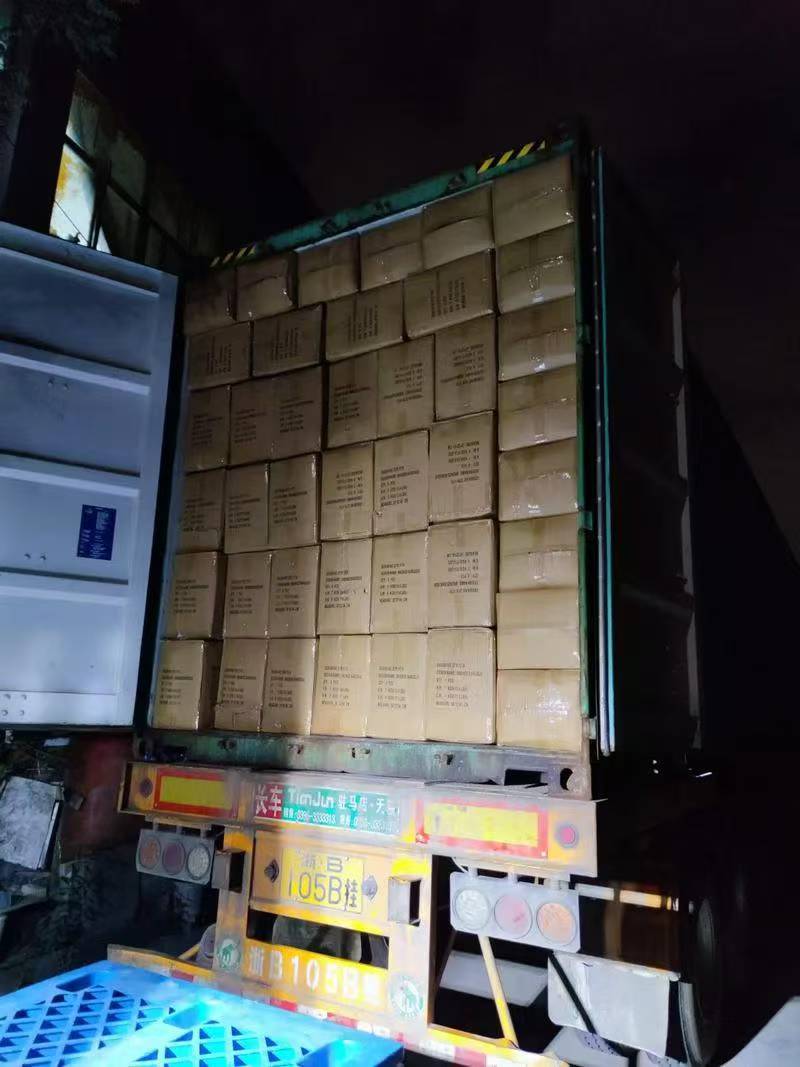
For bicycles shipped in cartons, the load plan should state whether cartons are loaded flat, upright or in another approved orientation. Check stacking limits and carton condition; avoid assuming that all bicycle cartons can bear the same top load. Keep heavy parts or dense cartons positioned to maintain a stable load, and prevent movement using suitable blocking or securing methods agreed by the responsible packer.
Confirm whether fragile or easily marked cartons require a protected position. Keep product labels and model marks readable after loading. If the shipment contains several models, agree a loading sequence that makes the packing list and unloading plan useful—for example, group model ranges where practical, while still maintaining safe weight distribution and load security.
Record the usable container details from the actual unit supplied by the carrier. Door opening dimensions, internal dimensions and maximum payload can vary by equipment type and condition. The container’s door plate and carrier documents take precedence over an assumed standard specification. The IMO/ILO/UNECE CTU Code provides non-mandatory guidance on packing and securing cargo transport units across the intermodal chain; the party responsible for packing should follow applicable rules and competent loading procedures.
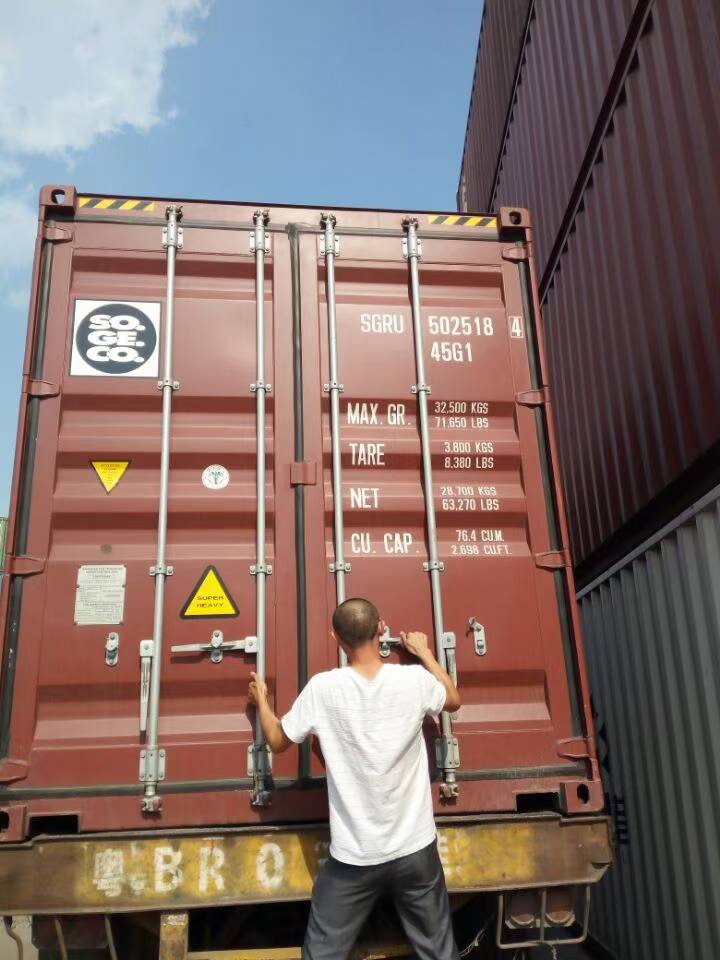
Document the loading event
The loading record is useful for order reconciliation and later claims. Agree in advance which evidence the supplier or loading team can provide. A practical record may include:
- Empty-container condition and container number before loading.
- Model and carton count as each group is loaded.
- Visible carton condition and any exceptions noted before closing.
- Overall loading arrangement and securing materials used.
- Final door closure, seal number and the person who applied the seal.
- Date and time of loading, tied to the booking and purchase order.
Photographs support the record but do not replace the packing list, inspection report, carrier receipt or other required documents. Make sure the image files can be linked to the correct shipment and that any issue is reported before the container leaves the loading point. If the load is inspected by a third party, confirm the scope and report format before booking that service.
Align the document set with the buyer and broker
Document requirements vary by destination, commodity, contract and financing arrangement. Before production is complete, ask the buyer’s customs broker which details must appear on the commercial invoice, packing list, transport document, origin documents or product-specific paperwork. Do not assume a generic list meets a country’s import requirements.
At minimum, compare the following data across the purchase order, invoice, packing list and shipping instruction:
- Seller and buyer legal names and addresses as required by the transaction.
- Product descriptions and model references consistent with the order.
- Quantities, carton counts, weights and package marks.
- Purchase order reference and agreed currency or value fields.
- Port or place names, consignee and notify-party details where applicable.
- Container and seal numbers after loading, when required for the document.
Review document drafts promptly. A misspelled company name, wrong consignee or model count discrepancy can delay clearance or require a correction. Check whether the carrier charges for amendments and specify who approves any paid correction. Never ask the supplier to show inaccurate values or descriptions to reduce costs; documentation must reflect the actual transaction and comply with applicable law.
Plan for changes and delays without guessing dates
Sailing schedules, port congestion, customs processing and inland transport can change. Ask the forwarder for the current booking confirmation and estimated milestones, then identify which dates are firm and which are estimates. Keep the purchase order’s production completion date distinct from the cargo-ready date, container loading date, vessel departure and estimated arrival.
If a model, carton or quantity changes after the plan is approved, request an updated load plan and shipping documents. A small change to carton dimensions can affect the number of cartons that fit; a model substitution can change gross weight or paperwork. Record the revision date and obtain approval from the parties responsible for booking, loading and import clearance.
For charges that are not known at quotation time, ask the forwarder to list the basis of calculation and who will be billed. Possible charges vary by route and service and may include origin handling, documentation, terminal charges, amendments, storage, demurrage or detention. Do not treat these labels as interchangeable, and do not assume who pays them from a short Incoterms abbreviation alone. Confirm the contractual term, service scope and local carrier tariff.
Bicycle importer’s container-shipping checklist
Before cargo is released, verify that:
- The purchase order names one Incoterms® 2020 rule and a precise named place or port.
- The booking, invoice and shipping instructions use consistent shipment details.
- The model-by-model carton list matches actual production and approved packing.
- Dimensions, weights, carton count and loading orientation are based on current data.
- The loading responsibility and evidence requirements are assigned.
- The container number and seal number are captured after loading.
- The buyer’s broker has reviewed destination-specific document requirements.
- The document drafts have been checked for names, quantities, model codes and routing.
- Any unconfirmed charge, schedule or exception remains clearly marked for confirmation.
- The buyer knows who to contact if a document or loading discrepancy appears.
For bicycle-specific packing questions, see the carton packaging checklist for importers. The pre-shipment inspection checklist covers final order checks, while the purchase contract checklist helps align commercial responsibilities before production.
FAQs for bicycle importers
Does FOB mean the supplier pays all origin charges?
Not necessarily. The named port, the written contract and the actual service arrangement matter. Ask the supplier and forwarder to itemize which origin charges are included and which are billed separately.
Is the estimated container quantity guaranteed?
No. It should be based on actual carton dimensions, quantity mix, loading orientation, equipment limits and securing requirements. Request a load plan using the final packing data.
Who should arrange cargo insurance?
That depends on the chosen Incoterms rule and contract. Confirm the insurance obligation, coverage scope and evidence with the responsible party; do not infer it from a quotation headline alone.
Which shipping documents does a bicycle importer need?
The required documents depend on the destination and transaction. Ask the customs broker and carrier for the current list and check every draft against the purchase order and actual shipment.
What loading photos should the buyer request?
Agree photos of the empty container, carton groups and condition, loading arrangement, container number, and final seal. Tie the file set to the purchase order and loading date.
Request a shipment-ready quotation
Send the bicycle model list, carton dimensions, quantities by model, destination, requested ship window and proposed Incoterms® 2020 named place. Ask the supplier to identify unconfirmed charges, loading responsibilities and documents before booking. For a buyer-side review, use the Contact Us inquiry form and request a written shipment plan for your order.
Where this sits on the site
If you are putting a container together, the pages below carry the model range, the trade terms and the quote form.