
Every container of bicycles creates a second, quieter order: the parts needed to keep those bikes on the road and the after-sales promise credible. Importers who plan that order late usually pay more for it, either because parts must be shipped separately at air or LCL rates, or because the warranty promise is quietly softened once the first claim arrives.
This guide describes a method for sizing the parts order alongside the bicycle order. It does not offer a fixed industry ratio, because the right ratio depends on the market, the model mix, the trade channel and the warranty terms. It offers the structure that makes the ratio calculable.
Separate the three parts groups before sizing anything
Spare parts for a bicycle programme are not one category. They behave differently and should be planned separately.
Warranty parts are held against defects: frames and forks, and the components most likely to fail in the field. Their quantity depends on the warranty terms, the defect experience of the model, and whether the importer replaces parts or credits the distributor.
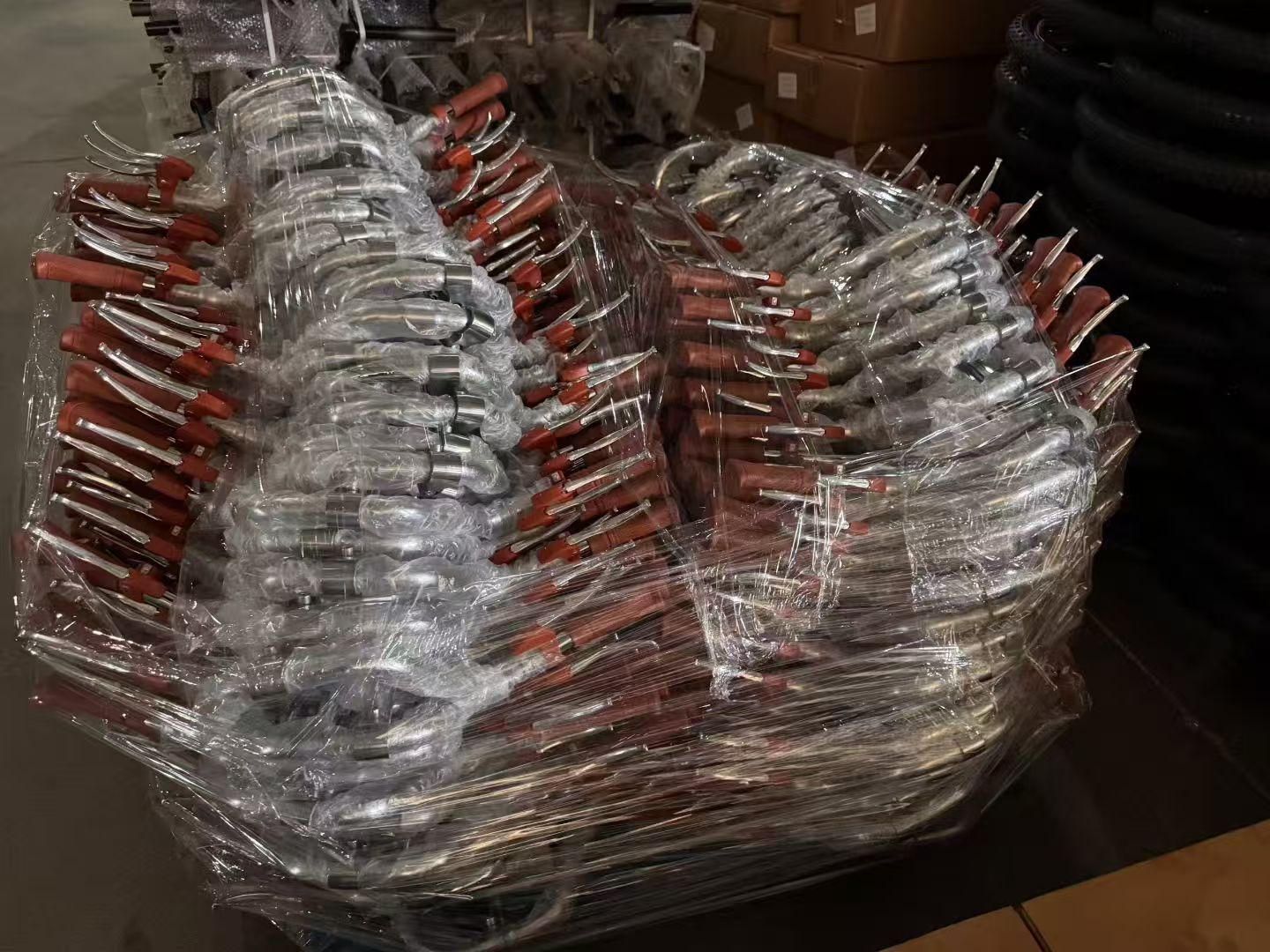
Trade consumables are the parts a shop sells in normal trading: tyres, tubes, brake pads, chains, saddles, grips, pedals, kickstands, baskets, mudguards and bells. Their quantity follows the model mix and the local riding pattern, not the warranty rate.
Service parts are the items that support assembly and repair in the market: derailleur hangers where relevant, spoke sets, bottom brackets, cables and brake levers. They are usually ordered in small quantities across a broad range.
Mixing the three into one percentage produces a number that cannot be defended when a distributor asks why a specific part is unavailable. Separating them produces three numbers that can each be explained.
Start from the model mix, not from a percentage
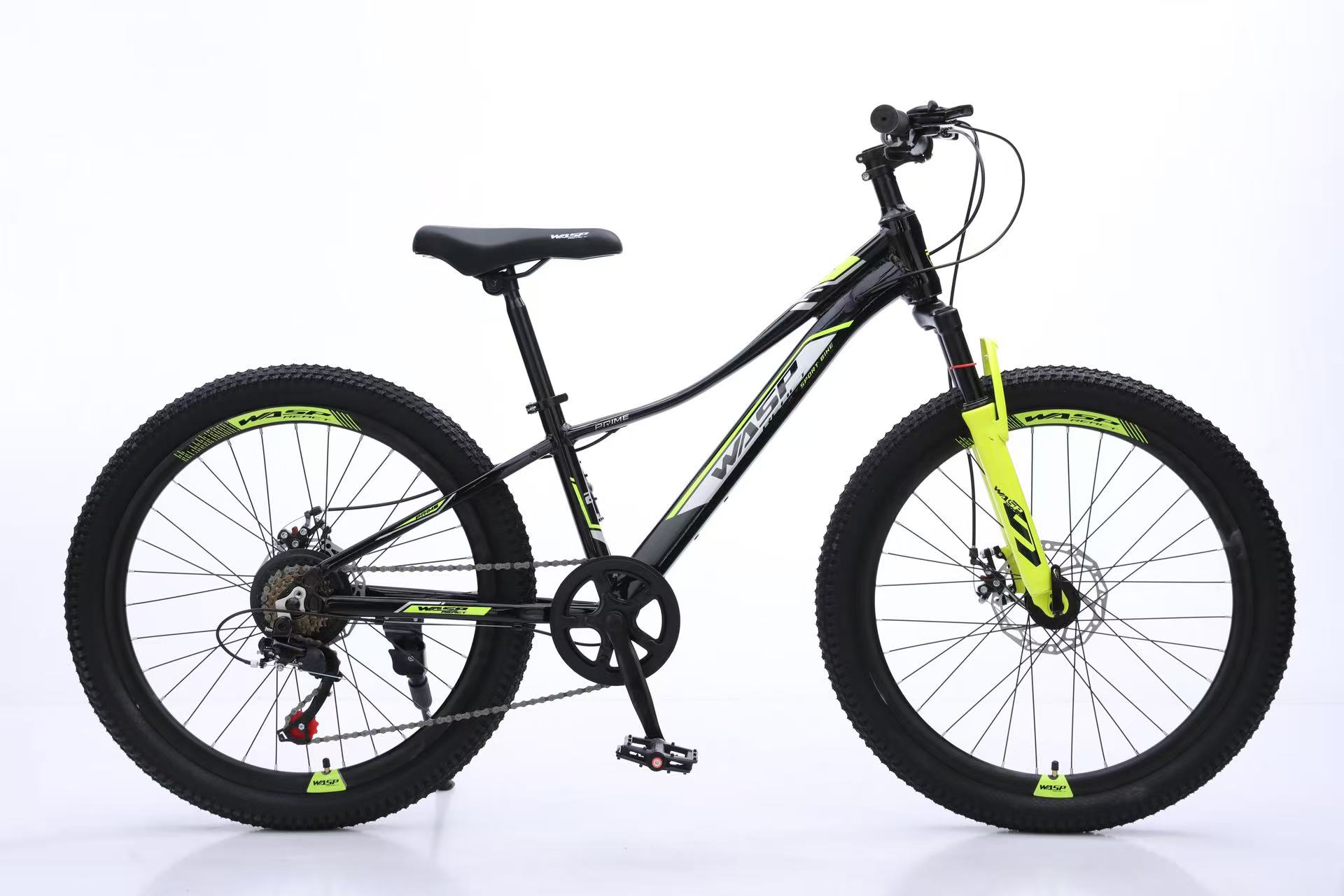
The first input is the quantity shipped per model, per size and per colour. A programme with 300 kids bikes and 80 mountain bikes needs a very different parts profile from one with 200 of each, even at the same total volume.
The second input is the shared-component map. If four models use the same tyre size and the same saddle, that part serves the whole programme and its stock can be calculated once. If every model uses a different tyre, the stock requirement multiplies. This is why component standardisation decided at the specification stage has a direct after-sales cost.
The third input is the local service reality: whether distributors repair in house, whether a national distributor holds stock, and how long a customer will accept to wait for a replacement. A market with strong in-house repair capability consumes more service parts and fewer complete replacements; a market where distributors swap whole bikes consumes more warranty parts.
Express the parts order as a set of ratios you can defend
Once the three groups are separated, each can be given its own ratio against the shipped quantity, and each ratio should be traceable to a decision rather than to habit.
A workable structure looks like this:
- Warranty float: sized to the warranty terms and the expected defect rate for the model, held by the importer rather than shipped to distributors.
- Consumables: expressed per model, using the expected annual replacement cycle for the parts that wear — tyres, tubes, brake pads and chains.
- Service parts: a fixed small quantity per model for the parts that fail rarely but stop a bike when they do.
Write the reasoning next to each ratio. A number with a reason survives a change of staff; a number without one is repeated until it becomes wrong.
Order the parts with the bicycles, not after them
The parts that are cheapest to add are the ones produced in the same run: frames in the same paint batch, tyres and tubes from the same purchase, saddles and grips from the same component order. Ordering them with the main shipment also means one set of shipping documents and one freight event.
Parts ordered separately later carry their own freight, their own customs entry and their own delay risk, and small volumes rarely justify the cost. For an importer running a first order, the parts list is often the difference between a programme that can support its distributors and one that cannot.
Where the parts order must be split — for example when a part is not available at the time of the main order — record the reason and the planned shipment, so the gap is a decision rather than an oversight.
Keep the records that make the promise real
An after-sales programme is only as good as its records. The minimum set for each model is: the component list with brands and model codes, the parts that are shared with other models, the warranty terms and the evidence required for a claim, and the stock position of the parts held.
When a claim arrives, the record should answer three questions quickly: which model and batch, which part, and whether the failure is covered. Without batch information, the same claim can consume hours of correspondence and still end in a replacement that does not fix the cause.
BOLUN’s warranty and spare parts guide sets out the claim evidence and replacement-stock structure, and the parts procurement checklist covers the buying side. Model-level parts pages sit in the compatible parts range; the bicycles they support are listed under children’s bicycles, mountain bicycles and city bicycles.
Review the ratio after the first season, using evidence
The first season produces the data that a ratio cannot: which parts were actually requested, which models generated claims, which consumables sold faster than expected, and which parts are still on the shelf.
Review the parts stock against that data before the second order. A part that never moved should be reduced or dropped; a part that ran out should be increased; a part that was requested across several models should be standardised in the specification so it serves the whole range next time.
That review loop is what turns an estimate into a programme. Importers who run it once usually find that the parts order for the second season is both smaller and more useful than the first, because it is built from what the market actually asked for.
Related guides on this site
Other guides in this series cover the decisions that sit next to this one:
All buyer guides on this site are indexed on the bicycle wholesale buying guides page.
Where this sits on the site
If you are putting a container together, the pages below carry the model range, the trade terms and the quote form.