
Most first orders from a Chinese bicycle supplier are not decided by price alone. They are decided by range: how many models, in how many colours and sizes, at which price points, with which spare parts behind them. A range that is too wide spreads the order across too many specifications and raises the landed cost per unit. A range that is too narrow leaves trade partners without the price points they need to sell.
This guide describes a planning approach that importers can use before requesting quotations, with the decisions that need to be settled early and the data that should be collected before a test order is placed.
Decide which segments the market actually buys
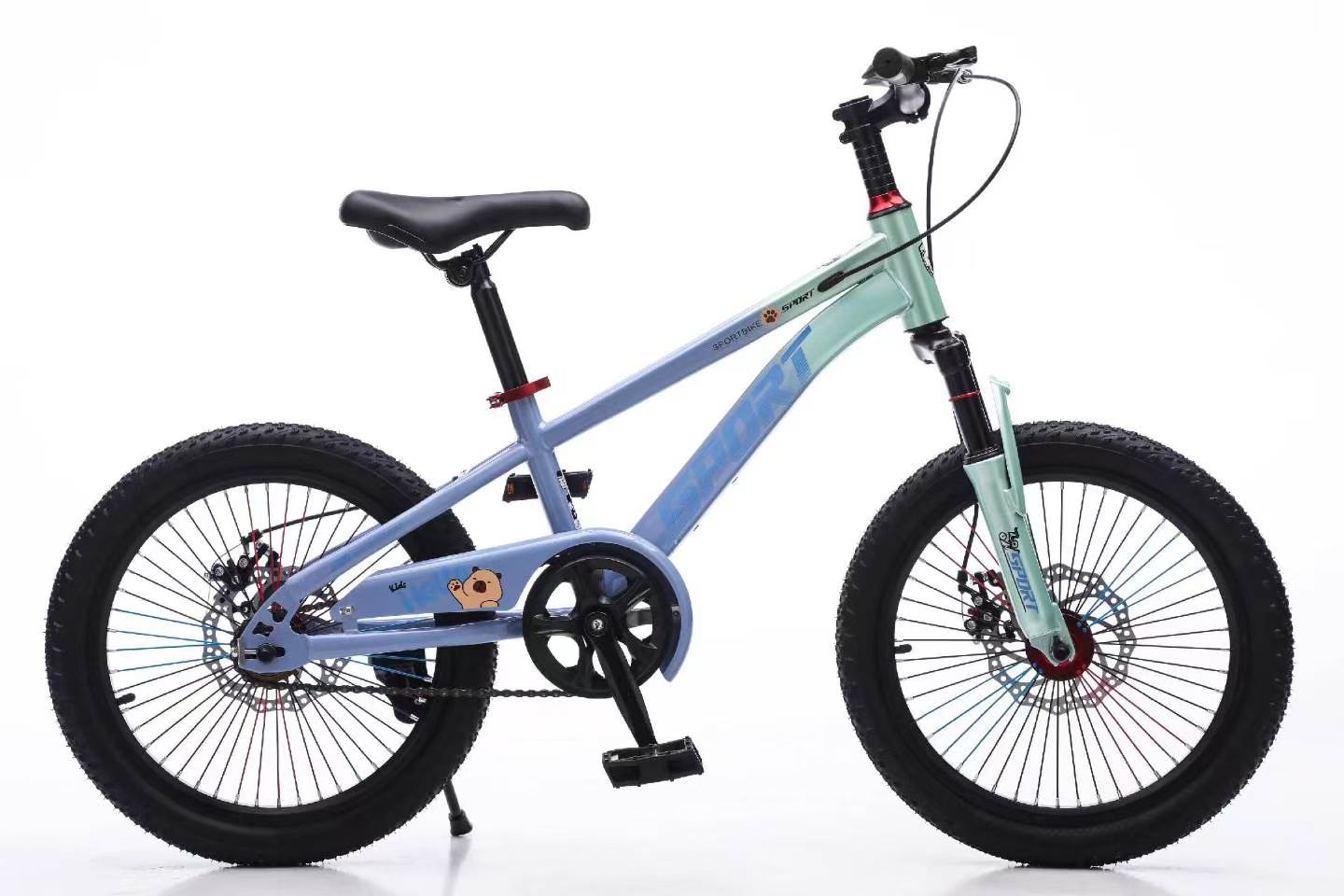
Bicycle demand splits into segments that behave differently in the market: children’s bikes, mountain bikes, city and urban bikes, and the parts and accessories that support them. Each segment has its own size logic, its own seasonality and its own price sensitivity.
The practical way to start is to list the segments already served by local distributors and distributors, and then ask which of them are underserved rather than which are attractive in a catalogue. A market with strong children’s bike volume may still lack a consistent 16-inch and 20-inch supply; a market with many mountain bike sellers may have no credible entry-level full-suspension or no reliable parts supply.
For reference, the range headings used on this site group the offer the same way: children’s bicycles, mountain bicycles, city bicycles and compatible parts. Reviewing the models under each heading is a faster way to see what a supplier already produces than reading individual product pages.
Build a price ladder before choosing models
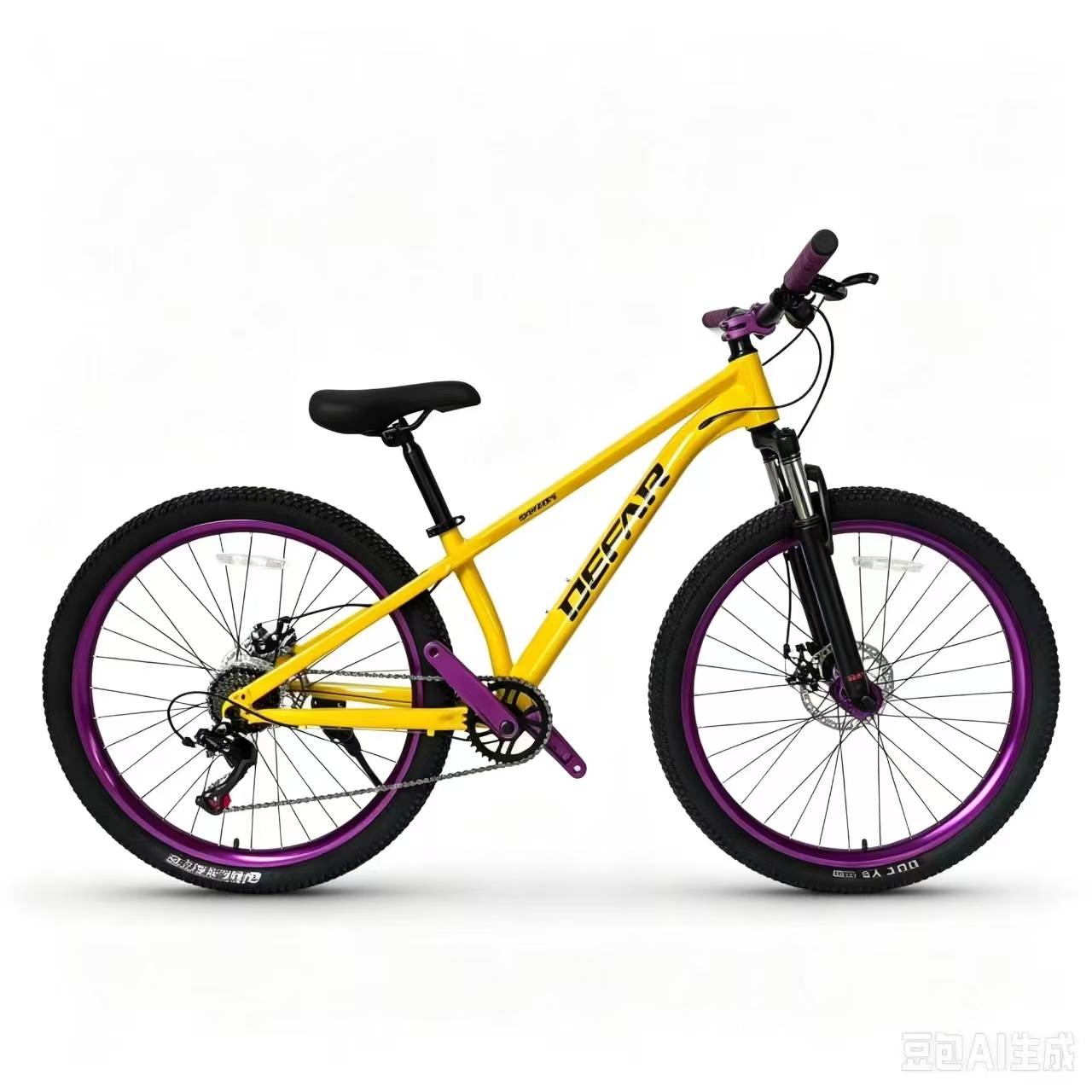
Trade price points drive specification, not the other way round. Write down the price bands the target distributors actually sell at, then work backwards to a factory cost that leaves room for freight, duty, landed cost, distributor margin and trade margin.
A simple ladder for a new market often looks like three bands rather than five: an entry band that carries volume, a middle band that carries the main margin, and a top band that gives the range credibility. Every band should be represented by one or two models, not by a long list of variations.
Two numbers are worth calculating before the quotation stage, because they decide whether a model belongs in the range at all:
- The landed cost per unit for the packing configuration being shipped, including carton volume and any pallet charge.
- The spare parts cost per unit implied by the warranty policy, expressed as a percentage of the invoice value.
A model that is cheap at the factory but needs a high spare parts float or a large carton may not be cheap in the market. Calculating these two numbers early prevents a range that looks profitable on the proforma invoice and is not profitable after arrival.
Control the variation matrix
The single largest driver of cost and delay in a bicycle order is variation. Each additional colour, decal design, size and component combination multiplies the number of purchase orders, paint batches, packing lists and quality checks.
A workable discipline for a first order:
- Limit each model to two or three colours and to the sizes that the target market actually sells.
- Keep the component specification identical across colours of the same model, so that spare parts remain interchangeable.
- Use one decal programme for the whole range where private label is involved, and confirm the artwork files in a print-ready format.
- Record every approved variation in a specification annex with a version number and a date.
When the range is still being tested, it is usually better to place a small order with a narrow matrix and confirm sell-through than to place a wide first order and carry the unsold variation into the next season.
Plan the order around the container, not around the catalogue
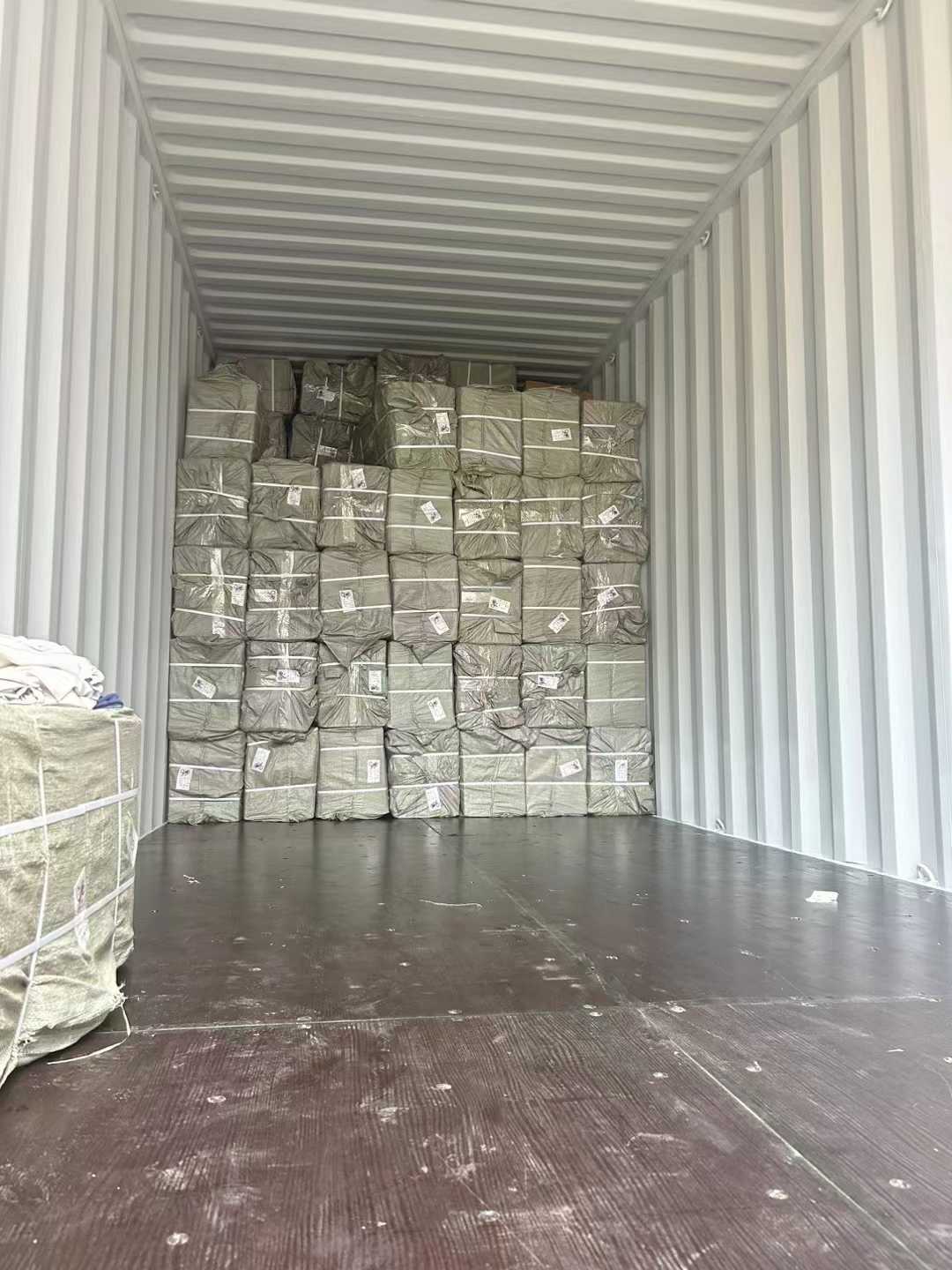
Freight economics on bicycles are dominated by carton volume. Two ranges with the same invoice value can have very different landed cost if one packs 60 units per cubic metre and the other packs 40.
Before finalising quantities, collect the carton data per model: length, width, height, gross weight, units per carton and stacking limit. Then model the load with mixed cartons rather than assuming a single-model container. Mixed loading is normal for importers who carry several segments, and it needs a loading plan that identifies each model inside the container.
If the order is split across several shipments, decide which models travel first. Entry-level volume models usually justify the first container because they generate repeat orders; top-band models can follow once the trade feedback is known.
Design the spare parts programme with the range, not after it
Every model in the range creates a parts obligation: frames and forks for warranty replacement, plus the consumables thin the marketers will ask for. The parts programme should be planned at the same time as the model list, because the parts that are cheapest to add at production are the ones that are hardest to source later.
A practical approach is to define three parts groups per range:
- Warranty parts, held by the importer against defects: frame, fork, and the components most likely to fail in the field.
- Trade consumables: tyres, tubes, brake pads, chains, saddles, grips and pedals, ordered in proportion to the model mix.
- Optional accessories that raise the average selling price in the market: lights, locks, baskets, child seats and training wheels where the market uses them.
Ordering spare parts with the main shipment costs less than ordering them later, and it keeps the after-sales promise realistic. If the range includes several models that share components, note the shared parts explicitly — it reduces the number of SKUs the importer has to stock.
Start with a test order, then scale on data
A first order is a market test as much as a purchase. Treat it that way by defining what will be measured: sell-through by model, by colour and by size; trade feedback on specification; return and claim rate; and the parts consumption that follows.
Set the decision points in advance. If a model sells through within a stated period, it earns a larger share of the next order. If a colour or size sits unsold, it is dropped rather than repeated. This keeps the range moving towards what the market buys instead of what the catalogue offers.
Prepare the specification file before the quotation
Suppliers quote what they are given. A quotation requested with a model name alone will be answered with a generic specification, and the differences will appear later. Prepare a specification file per model that includes: frame material and size range, wheel size, brake type, drivetrain, tyre and tube specification, colour and decal details, carton data, and the required inspection standard.
BOLUN’s OEM inquiry checklist lists the fields that make a quotation comparable, and the packaging requirements guide covers carton data and marking. The wholesale FAQ answers the commercial questions that usually arrive with the first inquiry.
A planning sequence for a new market
- List the segments served locally and identify which of them are underserved.
- Fix three trade price bands and calculate landed cost per band.
- Choose one or two models per band, with a narrow colour and size matrix.
- Collect carton data and model the first shipment as a mixed load.
- Define the spare parts programme in the same document as the model list.
- Prepare a specification file per model and request comparable quotations.
- Place a test order with written decision points for the next order.
The sequence is not a guarantee of sell-through. It is a way to make the first order decide something: whether the range, the price ladder and the specification fit the market. Each later order then starts from evidence rather than from a catalogue guess.
Related guides on this site
Other guides in this series cover the decisions that sit next to this one:
All buyer guides on this site are indexed on the bicycle wholesale buying guides page.