
A sample is a promise. A production batch is the delivery of that promise several hundred times. The gap between the two is where most bicycle order disputes start, and it rarely comes from a supplier acting in bad faith. It comes from a sample approved informally, a component that quietly changed, or an assembly detail that nobody wrote down.
This guide covers the controls that keep a production batch close to the approved sample, and the fields that have to be recorded before the first carton is packed.
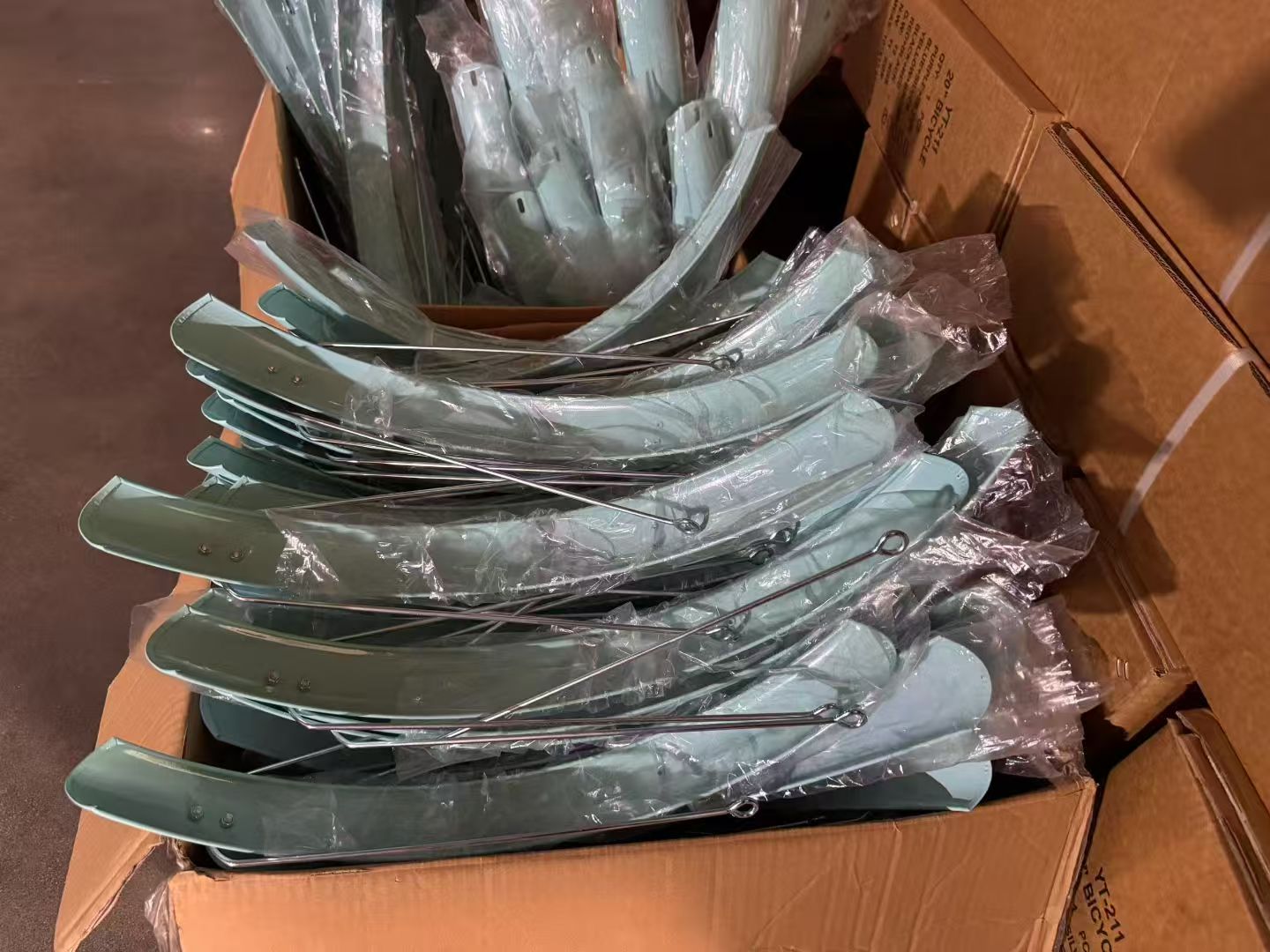
Approve a sample against a written specification
A sample approved by photo alone is not approved. The approval should compare the physical sample against a specification sheet that lists the parts it is supposed to contain: frame material and size, fork, brakes, drivetrain, tyres, saddle, grips, pedals, colour code, decal artwork, and packing.
Where the sample deviates from the specification, record the deviation and decide whether it becomes part of the approved build. A written deviation is a controlled change; an undocumented one becomes an argument later.
The approval record should also identify which sample is the reference. Give it an identifier, photograph it from fixed angles, weigh it, and keep it accessible. A sample stored on a shelf with no label stops being a reference within a month.
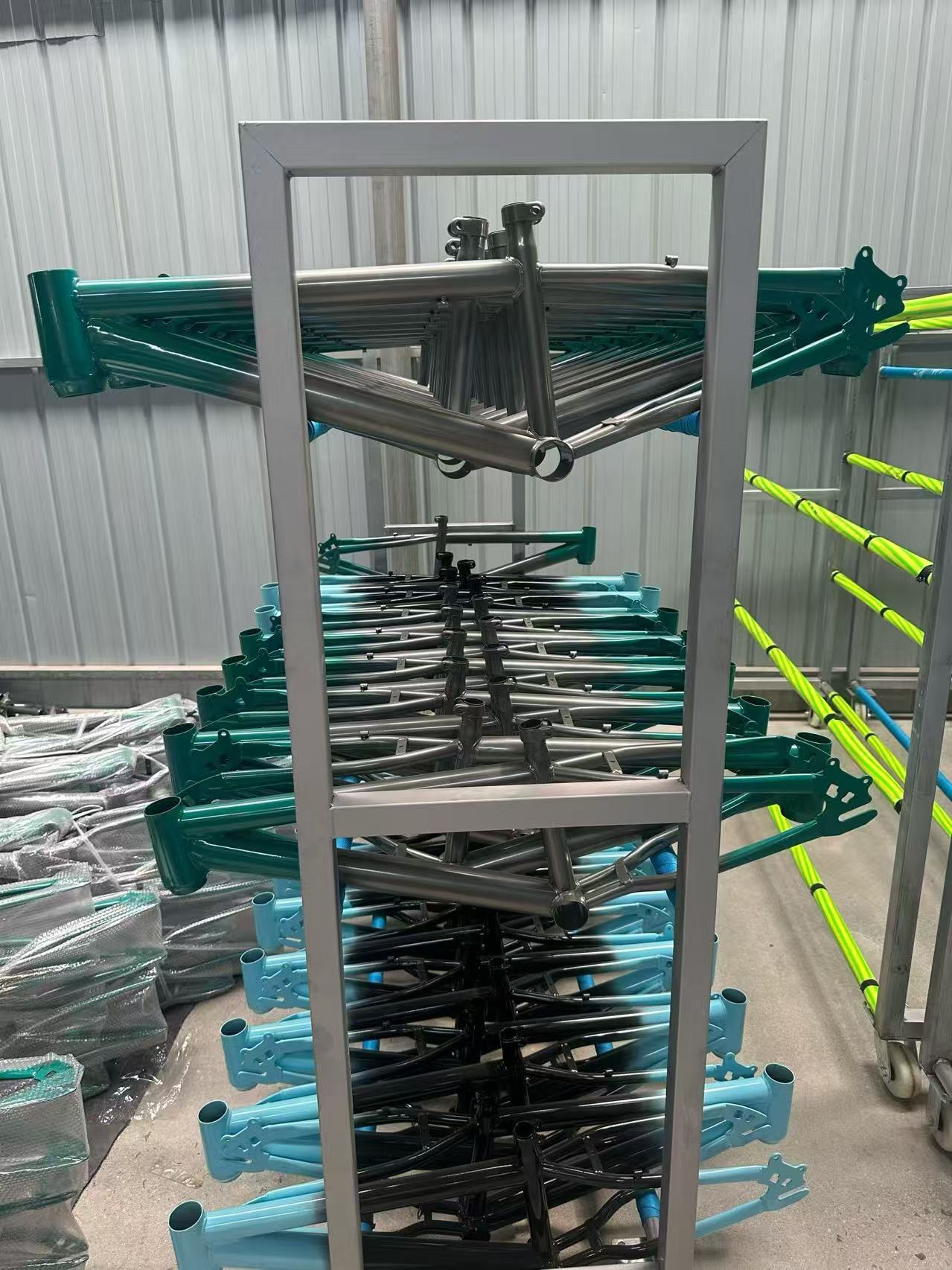
Keep a golden sample at both ends
The most practical control in mass production is a golden sample: the approved unit kept at the factory as the physical reference for the production line, and a second unit kept by the importer for comparison at arrival.
The factory copy is used at the start of each batch and at line inspection points. The importer copy is used when a container arrives and a question arises about whether a bike matches what was approved. Two copies matter because the factory copy will be handled, and eventually worn or lost.
Label both copies with the model code, the approval date, the specification version and the batch they apply to.
Run a pre-production approval before the full run
Between sample approval and mass production, there is usually a pre-production stage: the first units made with production tooling, production paint and production components. This is the stage where substitutions appear, because sub-suppliers deliver what is available rather than what was sampled.
Ask for a pre-production approval on the first units of the batch, with photos of the specific areas that changed since the sample: paint and decal, component labels, tyre and saddle. Approve those units in writing before the rest of the batch proceeds.
The cost of this step is a few days. The cost of skipping it is a container of bikes that are nearly right, which is the hardest outcome to resolve commercially.
Write a substitution rule
Component substitution is the single most common cause of sample-to-production drift. A saddle model is discontinued, a tyre is out of stock, a brake lever changes supplier, and the production batch ships with something different.
The contract should state a rule rather than leave it to goodwill:
- Any component change requires written approval before it is used.
- The approval states whether the substitution is equivalent, superior or inferior to the sampled part.
- If the substitute affects price, the price adjustment is agreed at the same time.
- If the substitute is not acceptable, the batch waits for the specified component, and the schedule consequence is agreed in advance.
A supplier that knows a substitution rule exists tends to raise the question early rather than at loading.
Control change requests from the buyer’s side too
Drift is not only a supplier problem. Buyers change decals, colours, packaging and specifications mid-order, often by email, often after production has started. Each change has a cost and a schedule consequence, and each one creates a version that must be tracked.
The practice that prevents confusion: every change is issued as a numbered revision to the specification annex, with the effective date and the person who approved it. The factory confirms in writing which revision it is producing. No verbal changes.
Inspect the production batch against the sample, not against a standard
At inspection, the question is not “is this a good bicycle” but “is this the bicycle that was approved”. That changes what the inspector looks at: component identity, colour match to the approved unit, decal placement, tyre and saddle model, and the assembly details that were agreed.
Where a defect standard is used, keep it separate from the sample comparison. A bike can pass the defect standard and still be wrong, because it does not match the approved build.
BOLUN’s sample approval checklist covers the approval record, the pre-shipment inspection checklist covers the batch inspection, and the paint finish guide covers colour and finish criteria. The purchase contract checklist lists where the substitution and change clauses belong.
What to record, in one page
For each model, the file should contain:
- The specification annex with a version number and date.
- Sample approval record with photos, weight and the model code.
- The golden sample location at the factory and at the importer.
- The pre-production approval photos and the date.
- Every substitution with its approval, its effect on price and its batch.
- Every buyer change request with its revision number.
- The inspection report for each shipment, with the sample reference it was compared against.
That file is short enough to maintain and specific enough to settle most disputes before they reach a claim. It also makes the next order easier, because the specification starts from an approved version rather than from memory.
A short operating sequence
- Approve the sample against a written specification, with photos and a weight.
- Keep two golden samples and label them.
- Approve the first production units before the full batch runs.
- State the substitution rule and the change procedure in the contract.
- Issue buyer changes as numbered revisions only.
- Inspect each batch against the approved sample, not only against a defect standard.
- Update the file for every shipment so the reference stays current.
Related guides on this site
Other guides in this series cover the decisions that sit next to this one:
All buyer guides on this site are indexed on the bicycle wholesale buying guides page.
Where this sits on the site
If you are putting a container together, the pages below carry the model range, the trade terms and the quote form.