
Paying a deposit is the point where an importer stops comparing quotations and starts carrying risk. The supplier now controls materials, production slots, packing methods and shipping documents, while the buyer carries the payment exposure and the market commitment. Verification is the work that happens before that decision, and it is cheaper than any remedy available afterwards.
This guide sets out a verification sequence that bicycle importers can apply to any Chinese supplier, including BOLUN. It is written as a checklist of questions and evidence, not as a promise that any single document proves a factory is reliable. Treat each answer as one part of a file you can refer back to when a shipment, a warranty claim or a repeat order is discussed.
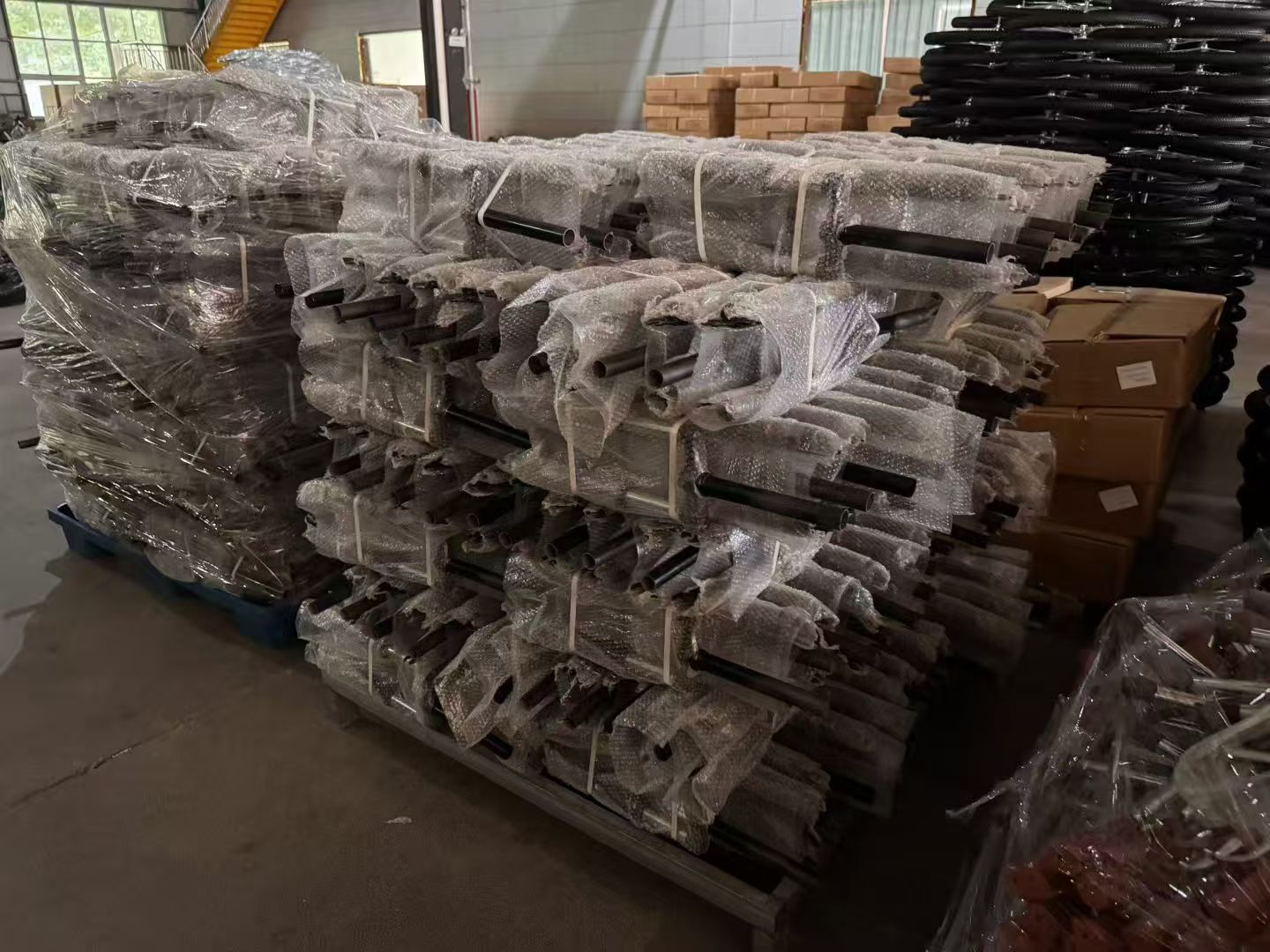
Start with the legal entity, not the website
A bicycle website can be built in a week; a legal entity cannot. Ask for the company’s full registered name in Chinese and in English, the 18-character unified social credit code, the registered address and the year of establishment. Then check that the name on the proforma invoice, the bank account beneficiary and the business licence are the same legal person type and the same entity.
Three mismatches are common and each needs an explanation in writing:
- The quotation comes from a trading company while production is claimed at a factory with a different name.
- The bank account belongs to a third party or a personal account rather than the contracting entity.
- The registered address is a residential or office building while the supplier describes a production line.
A trading company is not automatically a problem, and many importers work through them successfully. What matters is knowing which party manufactures, which party contracts, which party invoices, and who is responsible when a carton arrives short. If a factory is behind a trading company, ask for the factory name and the cooperation basis, and confirm in the contract who signs the quality and delivery obligations.
Ask capability questions that can be answered with evidence
Generic claims such as “large factory”, “advanced equipment” or “strict quality control” are not verification. Replace them with questions that produce answers with numbers, names or documents:
- Which frame materials are processed in house, and which are bought from sub-suppliers? Steel, aluminium and any carbon work are typically handled differently.
- Which production steps happen on site: tube cutting, welding, painting, wheel building, assembly, packing? Sub-contracted steps are normal; unstated ones are not.
- What are the current model count and the typical batch size per model and per colour?
- Which inspection steps are recorded, at which station, and what does the record contain?
- Which testing is done on finished bikes, using which standard, and are reports available for the models being quoted?
For importers comparing several suppliers, the answers also reveal whether the quoted price is consistent with the process described. A price that assumes in-house painting cannot come from a supplier who sends frames to a third-party paint shop unless something else in the specification is different.
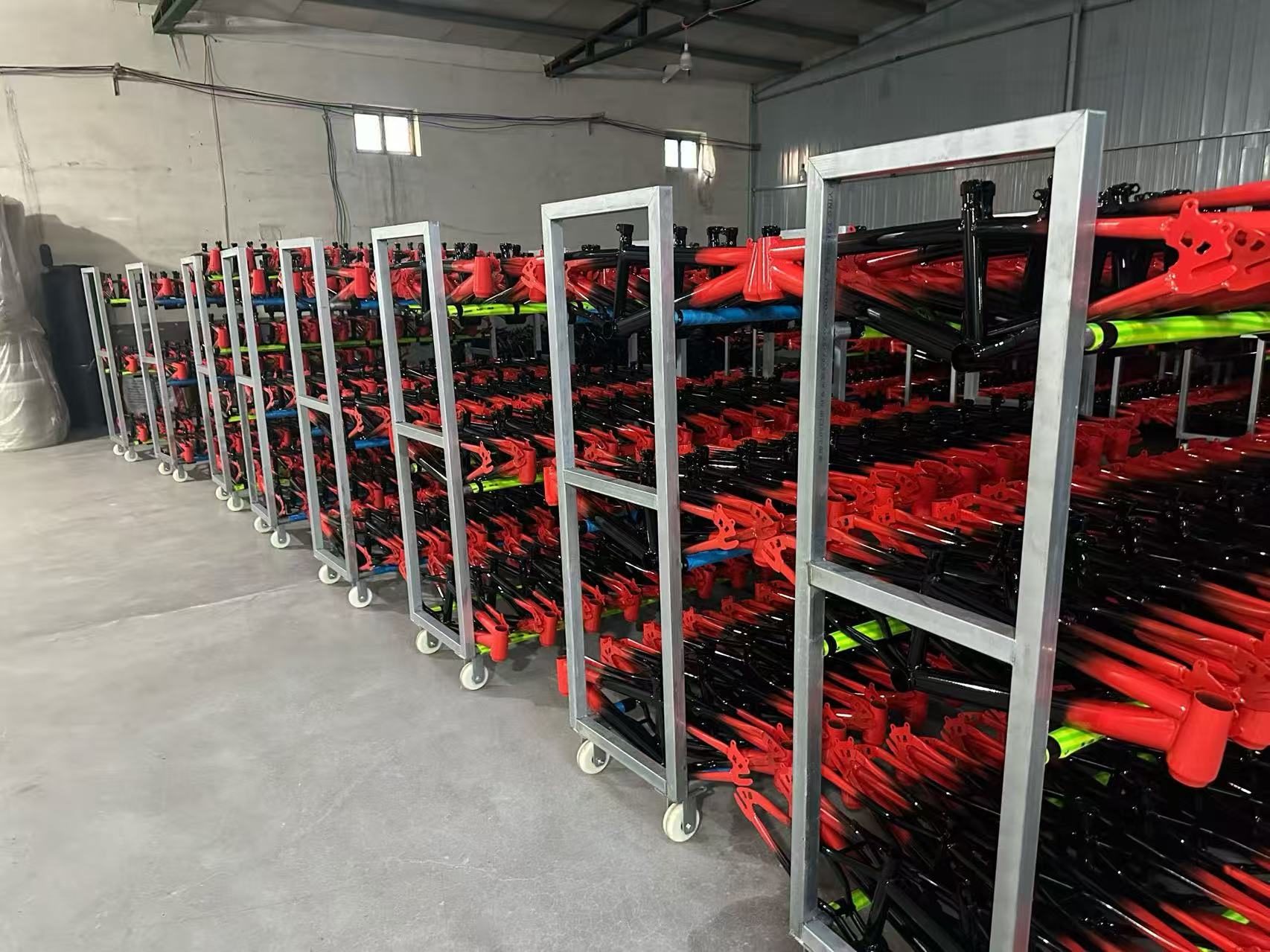
Separate the sample from the production promise
A sample proves what one unit can look like. It does not prove what the fifth hundred unit will look like. The verification step that closes that gap is a written sample approval record: photos of the approved unit from fixed angles, the specification sheet with component brands and model codes, colour codes and decal artwork files, carton dimensions and marking.
Ask the supplier to state which parts of the approved sample are controlled in production and how, and what happens when a component becomes unavailable. Substitution without written approval is one of the most frequent causes of disputes on bicycle orders, because a different saddle, tyre or brake model can change both the riding experience and the customs description of the goods.
Before a deposit, the sample approval file should also state the inspection standard you expect: AQL sampling level, major and minor defect definitions, and who performs the inspection. If a third-party inspection is planned, name the company and the stage — during production, before loading, or both — so the supplier prices the schedule correctly.
Put the deposit behind contract terms, not trust
A deposit is normal in bicycle manufacturing because material and painting are committed early. What is negotiable is how the deposit is released and what it is secured by.
Points that importers commonly confirm in the purchase contract:
- The deposit percentage and the trigger event: order confirmation, artwork approval, or material purchase.
- The production schedule measured from a specific date, with the condition that late artwork or late component approval moves the schedule.
- The inspection rights and the consequences if the inspection fails.
- The specification annex, including component list, colour codes and packing data.
- The tolerance for quantity delivered, by model and by colour.
- The warranty terms, spare parts supply and the procedure for claims, including the photo and video evidence required.
- The dispute route, the governing law and the language of the contract.
Payment method matters as much as payment timing. Confirm the beneficiary name matches the contract party, and keep the bank details from a signed document rather than a chat message. Payment instruction changes sent by email or messaging app are a known fraud pattern; verify any change through a second channel before transferring funds.
Read the red flags as questions, then resolve them
None of the following proves fraud, and each of them can have an innocent explanation. Together they should slow the process down until the explanation is documented:
- Price far below the range quoted by other suppliers for the same specification.
- Refusal to name sub-suppliers for frames, paint or batteries where relevant.
- No sample approval record and pressure to pay a deposit to “hold the production slot”.
- Requests for payment to a personal or third-party account.
- Inconsistent answers about capacity, model count or lead time when the same question is asked twice.
- Reluctance to accept a pre-loading inspection or to name the inspection standard.
Keep a supplier file that survives staff changes
Verification is only useful if the evidence can be found again. A simple file per supplier is enough: business licence copy, entity and bank confirmation, capability answers, sample approval record with photos, inspection reports, contract and annexes, and a log of every specification change with the date and the person who approved it.
That file becomes the reference for the next order, the base for a claim, and the reason a new colleague can pick up the account without repeating the same questions. It also creates a useful side effect: suppliers who know the importer keeps records tend to answer specification questions more precisely.
Compare suppliers on the same questions
If several Chinese suppliers are being considered, ask all of them the same questions in the same order and record the answers in the same format. The comparison then shows differences in process, not differences in sales language. BOLUN’s company profile and wholesale FAQ answer several of these questions at the level importers usually need first; the OEM inquiry checklist covers the specification details to prepare before requesting a quotation.
For the product scope itself, review the children’s bicycle range, the mountain bicycle range, the city bicycle range and the compatible parts range, and confirm the actual models against your order.
A short verification sequence that fits a normal sourcing cycle
- Collect the legal entity documents and confirm invoice, contract and bank beneficiary match.
- Ask the capability questions and record the answers with numbers, not adjectives.
- Request a sample against a written specification, then approve it in writing with photos and component list.
- Agree the inspection standard, the inspection stage and who performs it.
- Put the deposit, schedule, specification annex, tolerance and claim procedure into the contract.
- Pay only to the verified account and keep proof of payment with the order file.
- Keep the file and update it whenever the specification changes.
The sequence takes time, but it takes less time than resolving a shipment that does not match the approved sample. Importers who run it once tend to run it on every new supplier, because the second time it is mostly a matter of reusing the file structure.
Related guides on this site
Other guides in this series cover the decisions that sit next to this one:
All buyer guides on this site are indexed on the bicycle wholesale buying guides page.