
Three orders for the same bicycle can arrive in three very different states: fully assembled, partly disassembled in a single carton (usually called semi-knocked down), or broken down into major components across several cartons (completely knocked down). The choice changes freight per unit, labour at destination, damage risk, spare parts strategy and, in some markets, the duty treatment.
This guide explains how the three options differ in practice and how importers decide between them without guessing.
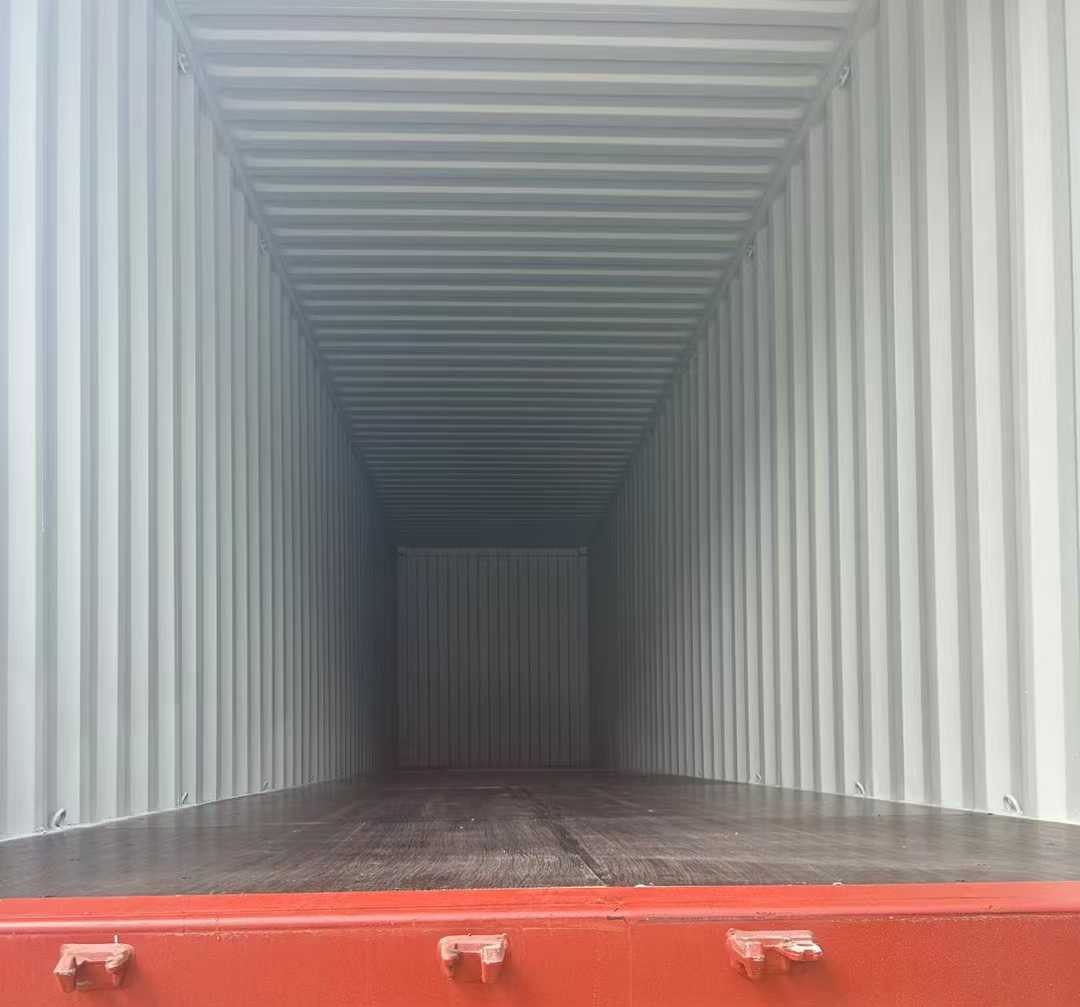
What each state actually contains
Fully assembled bicycles arrive ready to ride after minor adjustments. The carton is large, and the freight per unit is at its highest.
Semi-knocked down is the common format for trade imports. The bicycle ships with the front wheel removed, handlebars turned or removed, pedals off, and the frame protected inside a single carton. Assembly at destination takes a few minutes per bike: front wheel, handlebars, pedals, brake adjustment.
Completely knocked down means the bicycle is shipped as components: frames, wheels, component groups and small parts, often in separate cartons or bundled inside a frame carton. Assembly at destination is a workshop operation, not a trade task.
The three states are not just packing choices. They are different supply chains with different cost structures.
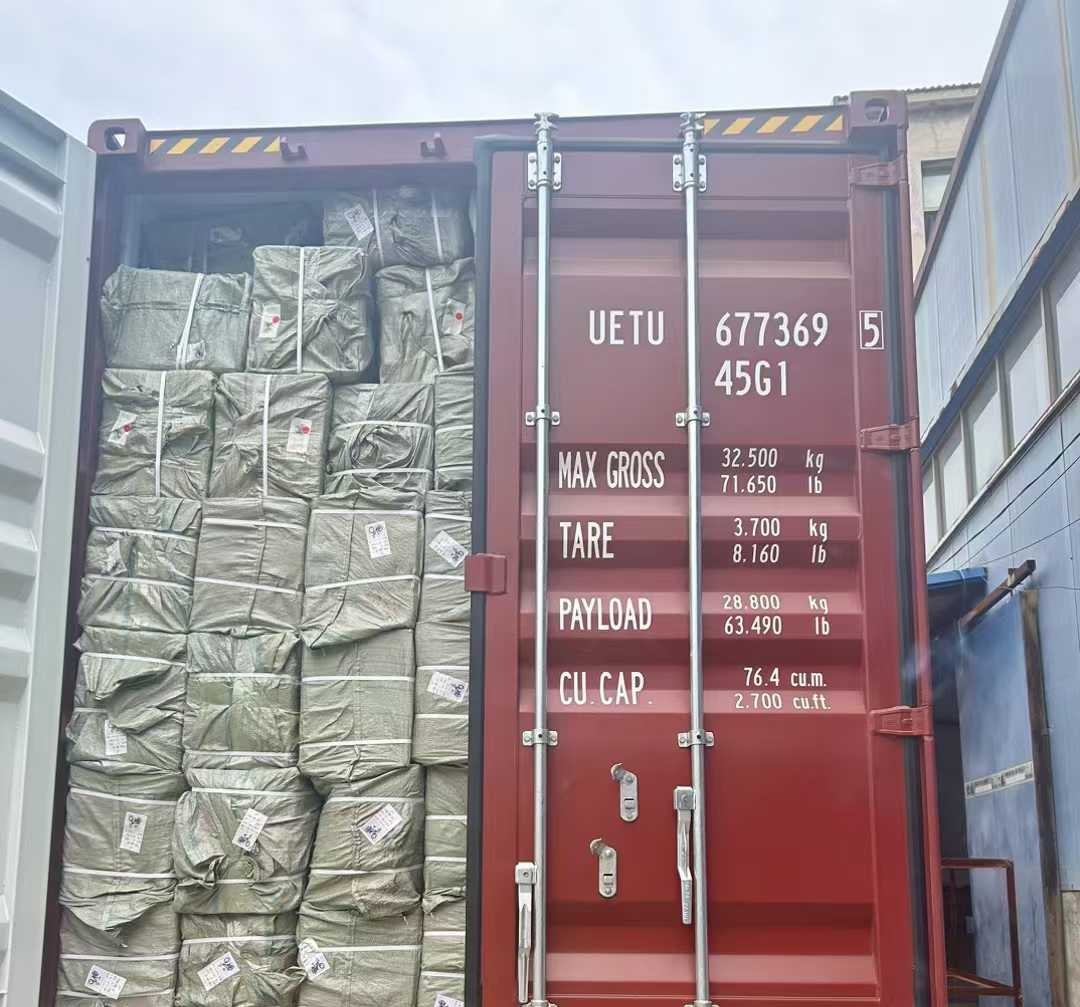
Freight and carton volume
Freight is charged by volume, so the assembly state is the largest single influence on the freight share of landed cost.
Fully assembled bikes waste space between frames; the carton is shaped by the complete bicycle. Semi-knocked down reduces length and height, and each carton carries one complete bicycle set. Completely knocked down compresses frames together and puts wheels and components in the gaps, often producing the lowest volume per unit.
The trade-off is that a lower freight cost per unit is paid for with more handling: more cartons to count, more parts to match, and more labour at destination.
Labour at destination
The cost of assembly moves to the importer or the distributor. That cost has three parts: the wage cost of the work, the space and tools needed, and the mistakes made while learning.
Semi-knocked down assembly is usually viable in a trade back room with basic tools. Completely knocked down needs a workshop, wheel building and a process for checking that every component set is complete before it reaches a customer.
For a first order, the practical advice is to choose the state that the destination can actually handle. A cheap CKD container that cannot be assembled properly in the market produces incomplete bikes and unhappy distributors.
Damage and shortage risk
More disassembly means more parts and more chances of a part going missing. A missing brake cable in a semi-knocked down carton is a trade problem; a missing component group in a CKD shipment can stop an entire batch from being assembled.
Two controls reduce that risk: a component list per carton with the count checked at packing, and a packing configuration that keeps parts belonging to the same bicycle together rather than sorting them by part type.
Damage risk also changes. Fully assembled bicycles are more exposed to frame and wheel damage in transit because the carton is larger and the load is less dense. Semi-knocked down protects the frame better but leaves the front wheel as a separate item inside the carton.
Duty and regulatory treatment
In some markets, the tariff classification and the applicable duty rate differ between a complete bicycle and a set of unassembled components. Rules on what constitutes an unassembled bicycle vary, and the treatment is decided by the destination customs authority, not by the supplier.
Two practical consequences:
- Confirm the classification with a customs broker before choosing CKD for duty reasons. A CKD shipment that customs treats as a complete bicycle may produce an unexpected duty bill.
- Some markets also require product certification or labelling on the finished bicycle, and the obligations can differ by state of assembly.
The supplier can describe what is shipped and provide documents; the classification decision belongs to the importer and the broker.
What to specify in the order
Whichever state is chosen, the packing specification should state it explicitly, because “standard export packing” covers all three.
The specification should list: which parts are removed, which parts stay assembled, how the frame is protected, how wheels are packed, what the carton dimensions and units per carton are, what the component list per carton contains, and what tools or instructions are included for assembly.
A small addition that pays for itself: an assembly instruction sheet in the destination language, packed with the first carton. Distributors who assemble bikes without instructions create warranty problems that come back to the importer.
BOLUN’s carton packaging checklist lists the packing data to record, the OEM and ODM process guide covers how these decisions fit the order process, and the landed cost guide shows how freight and labour enter the calculation. The warranty and spare parts guide covers the parts that should accompany the shipment whatever the assembly state.
Model ranges that are commonly shipped in each state sit under children’s bicycles, mountain bicycles, city bicycles and compatible parts.
A decision checklist
- What assembly capability exists at destination: trade back room or workshop?
- What is the freight per unit at each state, calculated from actual carton data?
- What labour cost does assembly add, and who pays it?
- How will missing parts be detected before a bike reaches a customer?
- Does the destination customs authority treat the CKD shipment as a complete bicycle?
- What assembly documentation and tools are included?
- Which state gives the best total landed cost, not the lowest freight rate?
Answer those seven questions with numbers, and the choice is usually obvious. It is also worth revisiting each year: freight rates, labour costs and customs practice all change.
Related guides on this site
Other guides in this series cover the decisions that sit next to this one:
All buyer guides on this site are indexed on the bicycle wholesale buying guides page.
Where this sits on the site
If you are putting a container together, the pages below carry the model range, the trade terms and the quote form.