
Two quotations can both specify “disc brakes” and describe substantially different assemblies. One may include rotors, adapters and cables; another may cover only the calipers. Even when the visible components look similar, the lever requirements, replacement pads and workshop supplies can differ. Importers need to compare a complete system before comparing its price.
This guide explains how to specify bicycle brakes for conventional bicycles and replacement-parts programs. The objective is a clear order file: what the supplier will deliver, what fits together, what dealers will need later, and which changes require approval. Component photographs illustrate procurement checks; they do not establish the specification or availability of a quoted model.
1. Start with the purchasing brief
For a full mountain bicycle brief, compare the wholesale mountain bike models and confirm the brake setup for each SKU.
Define the bicycle’s intended use, destination market, rider group and sales channel. Bicycle brakes for an urban dealer program may have different service requirements from those in a mountain bicycle range. A type name alone does not establish suitability for a particular rider, load or riding environment.
Decide whether you are buying an original-equipment assembly or replacements for an installed fleet. The first requires a confirmed combination of frame, fork, wheels, controls and brakes. The second starts with the exact bicycles already in service. For a wider component review, use our mountain bike components guide.
Write the brief before inviting substitutions. Include the approved bicycle model and revision, required documentation, packaging scope and after-sales responsibility. Ask suppliers to identify exceptions explicitly. A reply saying “same quality” is not enough to approve different bicycle brakes.
2. Compare the main brake families
The table below is an enquiry starting point. Final selection depends on the complete bicycle and the component manufacturer’s instructions.
| Brake family | Operating arrangement | Main procurement checks |
|---|---|---|
| Rim brakes, including V-brakes and calipers | Pads act on the wheel rim | Lever compatibility, frame or fork mounting, pad position, suitable rim braking surface |
| Mechanical disc brakes | A cable operates a caliper acting on a rotor | Correct lever pull, caliper mounting, rotor specification, cable and housing supply |
| Hydraulic disc brakes | A hydraulic circuit operates the caliper | Matched controls and calipers, approved fluid, hose and fitting compatibility, service support |
| Coaster brakes | Backward pedal input operates a rear hub brake | Exact hub specification, frame fit, reaction-arm attachment and intended bicycle application |
| Drum or roller hub brakes | Braking mechanism is associated with the hub | Hub and brake-unit compatibility, controls, attachment and model-specific servicing |
There is no single best family of bicycle brakes for every import program. Evaluate the complete package against your market brief, assembly arrangements and workshop capability. A system that dealers cannot identify or support can create expensive follow-up work even if the initial quotation is attractive.
Rim brakes: specify the lever and wheel together
For rim-operated bicycle brakes, order descriptions should identify the brake model, matching lever, pads, fixing parts and wheel interface. V-brakes and caliper brakes should not be treated as interchangeable because both use cables. Lever geometry and the required cable movement matter.
SHIMANO publishes brake-system compatibility tables and lever-mode information. Use the current information for the proposed parts, including any selectable lever mode. Those tables support specified combinations; they are not blanket approval for visually similar components from other sources.
Record the rim and pad specification too. A replacement wheel must have the appropriate braking surface where the approved design requires one. Ask for photographs that show the installed pad position and mounting arrangement, alongside model identification. Photographs supplement the configuration record; they do not replace dimensional checks or performance testing.
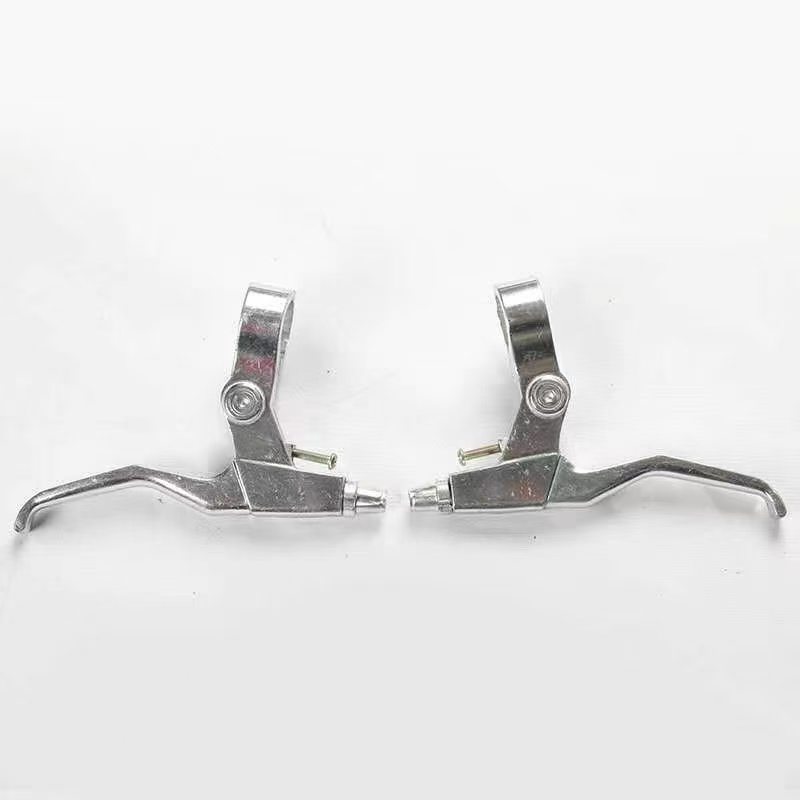
Mechanical discs: confirm the cable-operated assembly
Mechanical disc bicycle brakes require a compatible lever, caliper, rotor and mounting arrangement. Ask whether the quotation includes inner cables, outer housing, end fittings, adapters and mounting hardware. Front and rear requirements may differ, so record them separately.
Do not infer cable-pull compatibility from “disc brake” on the carton. Ask the manufacturer to identify the approved lever combination. Also confirm the supplied pad code and replacement procedure documentation. A recognizable pad outline is useful for identification, but it does not establish an approved substitute.
Compare assembly and service requirements as well as purchase price. Dealers need instructions for the specific caliper, access to compatible consumables and a way to identify the installed revision. Avoid assuming that all cable-operated bicycle brakes share the same adjustment method or service parts.
Hydraulic discs: make the service system part of the order
For hydraulic bicycle brakes, specify the lever, caliper, hose, connectors and approved fluid as a matched system. State whether assemblies arrive connected and prepared for installation, or require qualified workshop work. Clarify hose routing and required lengths against the actual bicycle configuration.
Fluid selection must follow the exact product manual. SRAM’s mineral-oil brake manual distinguishes its system from DOT-fluid brakes. SRAM also publishes a separate DOT-fluid service manual. Never identify the required fluid by brand name alone or approve mixing the two systems.
The purchasing implication is straightforward: a change of hydraulic bicycle brakes can also change workshop stock and tools. Ask for the applicable manual, fluid designation, approved hose fittings and replacement-parts list before accepting a substitution. Do not treat another model’s service kit as an equivalent without manufacturer confirmation.
Hub brakes: check the complete rear or front assembly
Coaster brakes, drum brakes and roller brakes should have separate descriptions in a purchasing sheet. These names do not describe one interchangeable product. Record the exact hub and brake-unit identification, axle and frame requirements, attachment arrangement and any matching control components.
For bicycle brakes integrated with a hub, consider how a replacement will be supplied: an individual service part, a hub assembly or a complete wheel. Agree who identifies compatible replacements and who handles workshop queries. For children’s bicycle programs, obtain a market-specific suitability review; the presence of a coaster brake does not by itself prove compliance.
3. Use one compatibility record for the complete bicycle
A useful specification for bicycle brakes has six groups of information:
- Identity: bicycle model, front and rear component codes, supplier and revision date.
- Controls: lever model, approved matching arrangement and required control layout.
- Mounting: frame and fork interfaces, adapters, fasteners and manufacturer limits.
- Friction parts: rim and pad combination, or rotor and pad combination, with exact codes.
- Actuation: cable and housing specification, or hose, fittings and hydraulic fluid.
- Support: applicable manuals, replacement list, inspection requirements and change approval contact.
For disc bicycle brakes, capture rotor diameter, thickness specification and hub attachment rather than ordering by diameter alone. A rotor that attaches to the hub still needs to be approved for the caliper, pads and bicycle mounting arrangement. Bigger is not automatically compatible or appropriate.
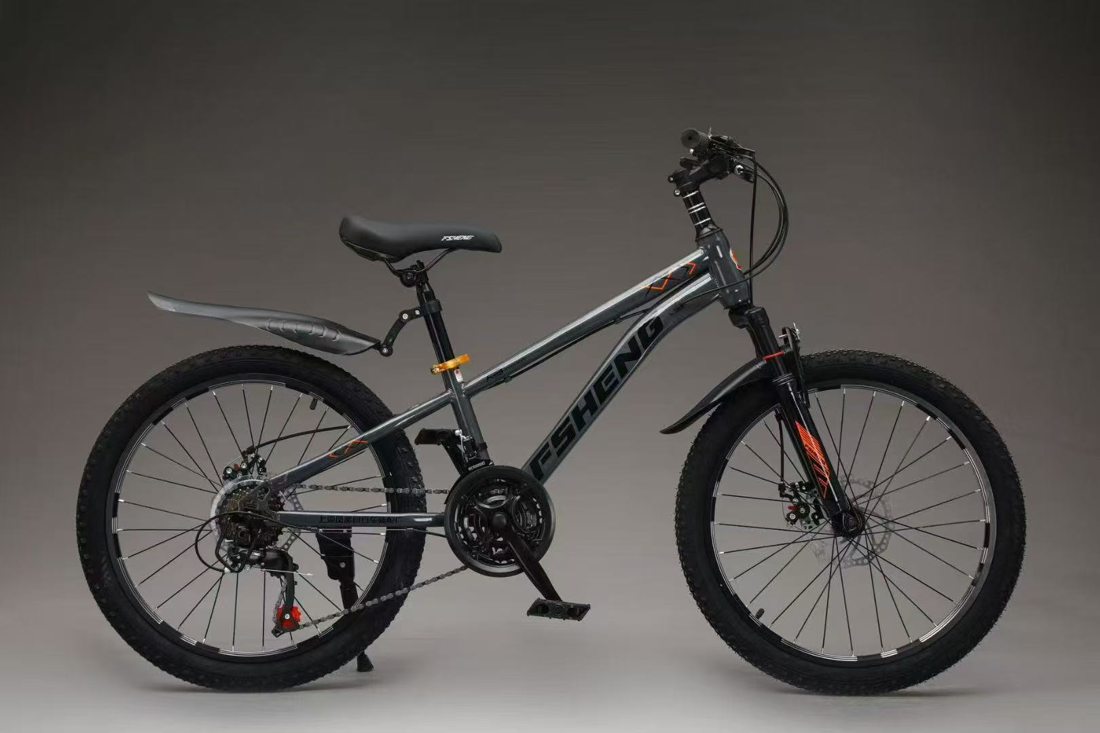
Keep this record connected to the whole bicycle bill of materials. A fork change, wheel change or handlebar change can affect the braking assembly. Our bicycle parts procurement checklist provides a broader framework for recording those dependencies.
4. Compare quotations on the same supply scope
Ask each supplier to price the same configuration and identify exclusions. For bicycle brakes, a useful quotation separates the complete installed assembly, initial spare parts, packaging and any agreed inspection or documentation work. Confirm whether “one set” means one wheel’s components or both front and rear assemblies.
Use an illustrative comparison rather than an assumed market price. Suppose two offers cover 200 bicycles: one includes both rotors and adapters, while the other excludes them. The second offer is not directly comparable until those omissions, assembly work and shipping effects are included. The quantity is a comparison example, not a BOLUN minimum order.
Ask for lead time, quotation validity, substitute approval terms and spare-parts availability in writing. Do not promise your dealers a fixed service period unless the supplier has accepted it. Agree how discontinued bicycle brakes will be supported and how proposed alternatives will be evaluated.
5. Approve a sample and a documented inspection plan
Approve the proposed bicycle brakes on the intended bicycle configuration, rather than accepting a loose caliper as proof of suitability. The sample file should connect the component list, installed photographs, assembly instructions and inspection results. Record who accepted the sample and which revision was approved.
Incoming and pre-shipment checks should confirm identity, completeness, condition and conformity with the agreed assembly instructions. Record any leakage, damaged hoses, damaged cables, missing hardware or inconsistent component markings. Functional and performance testing must follow an appropriate documented method and be performed by competent personnel.
Avoid invented pass criteria such as a universal stopping distance or one rotor wear limit for every model. SHIMANO’s hydraulic disc brake safety information illustrates why wear checks, contamination precautions and bedding-in instructions belong to the relevant manufacturer’s documentation. Apply the instructions for the actual supplied system.
Use our pre-shipment inspection checklist to connect brake checks with packaging, order identification and shipment records. A satisfactory visual inspection does not replace required laboratory testing or establish certification. Request evidence tied to the applicable product, configuration and destination requirements.
6. Plan replacement stock before the first shipment
The bicycle warranty and spare parts guide helps buyers record claim evidence and replacement-part responsibilities.
Build a service list for the approved bicycle brakes while the supplier still has the sample and component records available. Include part codes, clear identification photos, applicable model revisions and the manufacturer’s compatibility information. Separate consumables from complete replacement assemblies.
For a disc program, the list may cover approved pads, rotors and the specific actuation parts. A rim-brake program needs its own matching pads, cables and hardware. Hydraulic service supplies should be listed against the correct system. Do not order a generic “universal brake repair kit” without confirming every intended application.
Choose spare quantities using your fleet size, dealer service capability and actual consumption data as it develops. There is no defensible universal spare percentage for all bicycle brakes. Initially, document the assumptions behind your stock decision and set a review point after the first service feedback arrives.
7. Control changes after sample approval
Require written approval before the supplier changes bicycle brakes or related interfaces. The change request should show the old code, proposed code, reason, affected orders, compatibility evidence, service implications and required rechecks. Update the bill of materials only after the responsible buyer accepts the change.
For example, a caliper substitution may require different pads even if the bicycle looks unchanged. Dealers then need a way to distinguish the two production revisions. Mark the affected shipment or serial range and update the spare-parts file before dispatch. Otherwise, a routine reorder can become a series of photographs and clarification emails.
Request a configuration-based quotation
To enquire about bicycle brakes or a complete bicycle order, send the bicycle category, intended use, destination, quantity and the current component specification. For replacement stock, add the installed part codes and clear photographs. Identify whether you need complete assemblies, service parts or both.
Ask for confirmation of available configurations, included parts, documentation, lead time and quotation terms against that brief. Get a Quote from BOLUN with your requirements so the proposed supply scope can be checked before you approve an order.
Where this sits on the site
If you are putting a container together, the pages below carry the model range, the trade terms and the quote form.