
A tire order described only as “26 inch” leaves an importer with an avoidable identification problem. Different bead-seat diameters have been sold under that description, and the wheel, tire width and intended application all matter. A quotation should identify the exact tire and the wheel it is intended to fit before anyone compares price or lead time.
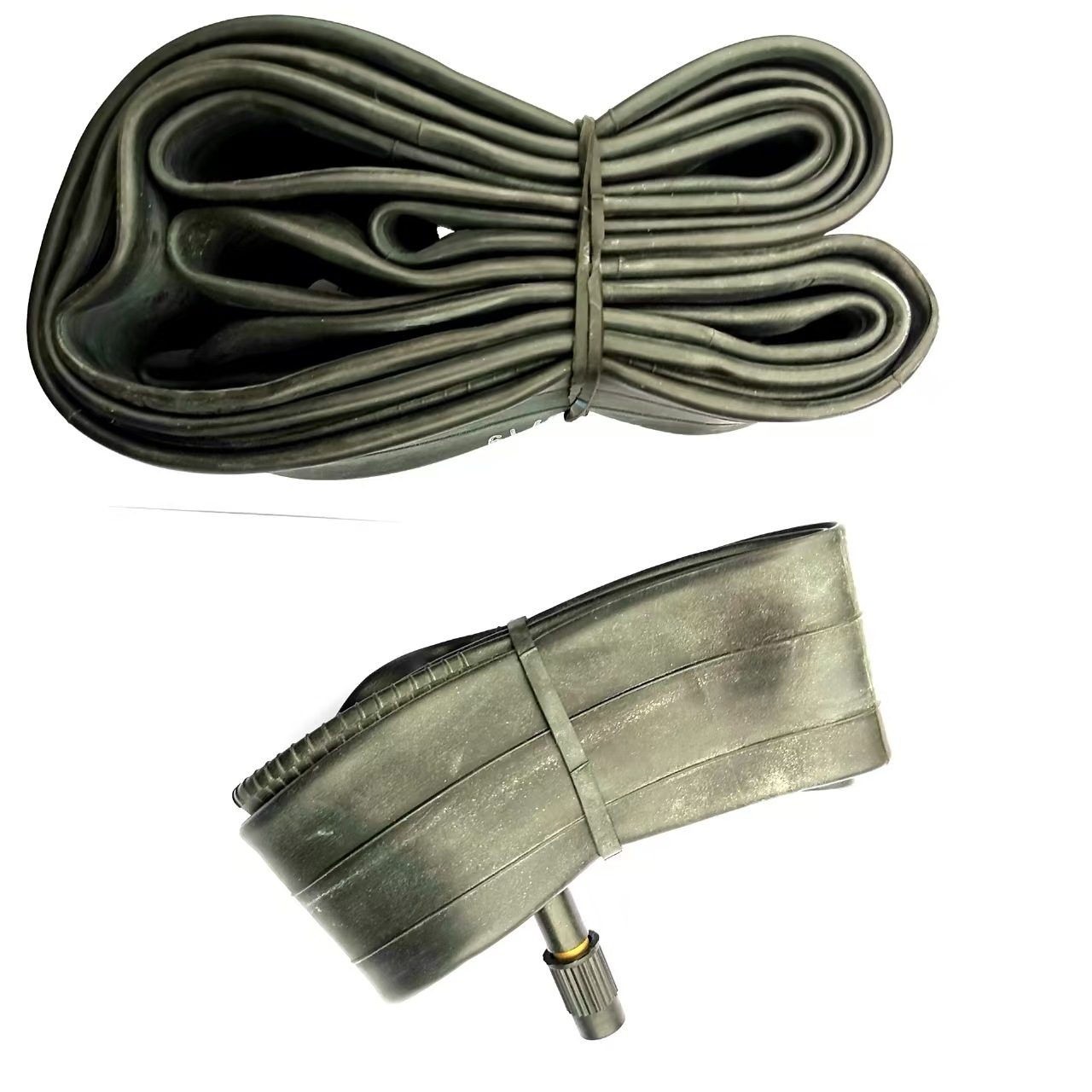
For bicycle tire sizes, the ETRTO marking provides a useful starting point. In the example 37-622, the first number identifies the nominal tire width in millimeters and the second identifies the tire’s inner diameter. Schwalbe explains the distinction between ETRTO, inch and French designations in its tire-size reference. Record both numbers, but do not treat matching diameter as proof that the entire tire and wheel combination has been approved.
Check the tire against the complete wheel
Ask the supplier for the rim’s bead-seat diameter, internal width, construction, tire type and pressure limits. Confirm the proposed combination against both tire and rim manufacturer documentation. Frame, fork, mudguard and other installed components must also have sufficient clearance. The published dimensions of a tire are not a substitute for checking the actual bicycle configuration.
For hookless or tubeless configurations, the permitted tire construction and widths depend on the applicable product instructions. Schwalbe’s tire dimensions guidance describes the need to check rim-manufacturer restrictions. Do not assume a universal pressure or fit rule for every bicycle.
Procurement record to develop
Record the bicycle model and production revision, tire code, ETRTO marking, rim code, relevant wheel construction, tube or tubeless arrangement, intended destination, packing unit and approved replacement list. Identify unknown fields explicitly. A substitution needs documented approval and a revised service-parts record.
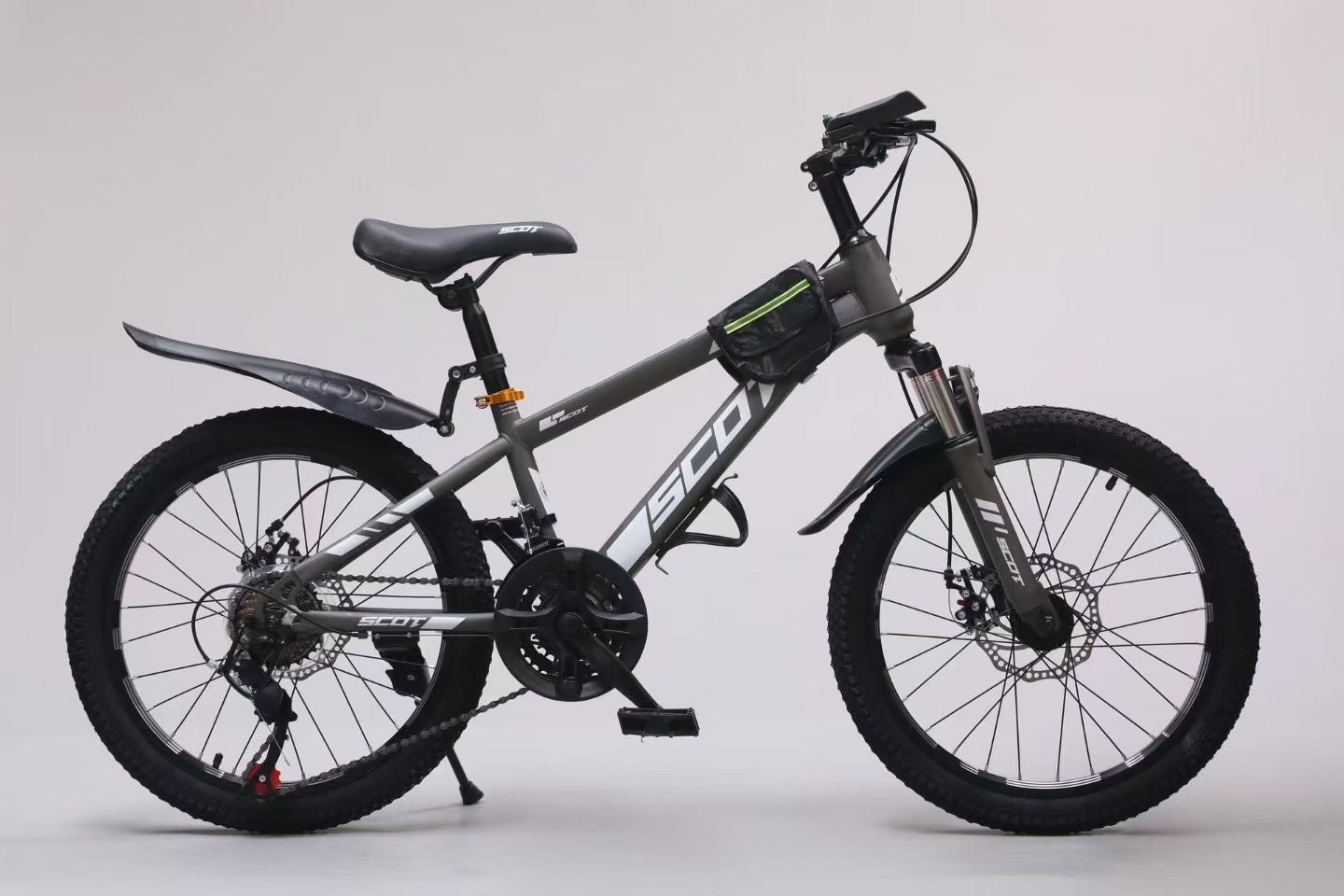
Compare the sizing systems on a purchase order
A commercial specification should preserve the marking printed on the tire, not replace it with a conversion guess. A common buyer error is to treat every tire called “26 inch” as interchangeable. Inch labels can describe different bead-seat diameters, while ETRTO identifies the nominal width and bead-seat diameter directly. On mixed-market orders, list the ETRTO code first and retain the familiar inch or French label as a secondary search reference. Ask the supplier to confirm the markings on the approved sample and production item.
A practical comparison row can include: supplier model code; ETRTO marking; secondary size name; tire construction; intended rim type; tube or tubeless arrangement; approved pressure range from the manufacturer; packaging unit; and destination-market label. Leave a field open when the supplier has not confirmed it. Do not infer the size from a product photograph, a wheel diameter label, or a marketplace title.
Match width, rim and frame as one system
Diameter is only the first fit check. The tire’s bead-seat diameter must match the rim’s bead-seat diameter. Tire width must also be appropriate for the internal rim width, and the inflated tire must clear the frame, fork, mudguards and nearby components. Schwalbe’s published tire and rim guidance illustrates that approved combinations depend on both measurements and on the wheel manufacturer’s constraints. Buyers should request the applicable table or written compatibility confirmation for the actual rim and tire models, rather than applying a generic chart to every wheel.
Nominal width does not always equal the measured width after installation. Casing, tread, rim width, inflation and measurement method can affect the actual envelope. Where clearance is tight, request the supplier’s measured sample dimensions on the specified rim and document the measuring conditions. A nominal size alone is not enough to approve a frame clearance claim. The buyer’s sample review should use the production-intent bicycle, wheel and tire combination.
For hookless or straight-sided rims, verify that the tire type and width are explicitly allowed by the wheel or rim manufacturer. Check the manufacturer’s maximum pressure and tube or tubeless requirements for that exact rim. Do not transfer a pressure figure from another tire, rim or bicycle model. If the intended combination is outside the published guidance, pause approval and obtain written technical confirmation from the responsible manufacturer.
Choose the replacement and assortment policy
For original-equipment purchasing, specify the tire as part of the bicycle bill of materials and connect it to the approved wheel and frame revisions. For aftermarket stock, begin with the bicycles already in the dealer network: identify the installed tire marking and wheel standard before choosing replacement stock. The two channels may need different labels, pack sizes and service documentation even when a nominal size appears similar.
A distributor planning a size assortment should group demand by confirmed bead-seat diameter, width range, construction and wheel compatibility. Do not use “26 inch” or “700C” alone as the inventory key. Where several models share a size family, retain their precise ETRTO markings and the applicable rim guidance in the catalog record. This reduces avoidable substitutions and makes a reorder easier to check.
Record the commercial unit carefully. Confirm whether a quoted quantity means individual tires, pairs, shelf cartons or bulk packs; ask how labels and barcodes identify each size. Confirm the carton marking before artwork approval and check that the marking is consistent across the product, packaging list and invoice description. This is a document-control check, not a claim about any one supplier’s current packing format.
Assess tire construction and service scope
The enquiry should distinguish clincher or wired, folding, tubular and tubeless-ready descriptions where relevant to the requested product. These labels describe different constructions and installation requirements; they should not be collapsed into a generic “bicycle tire” line. Confirm the exact product type, whether a tube is included, the valve or accessory scope if supplied, and any sealant or rim-tape exclusions. Do not claim that a tubeless-ready tire is compatible with every tubeless rim.
Ask the supplier for a current product data sheet, sidewall marking photograph, packaging dimensions and approved use statement for the specific item. If the buyer’s market requires a particular test report, labeling rule or certification, identify the exact destination rule and request evidence for the model and configuration. Do not accept a generic certificate image as proof that every tire in a catalog is covered. Regulatory statements should be reviewed against the destination market before listing the product.
Use a current standard reference for tire and rim sizing
The current ISO 5775-1:2023 covers designations and dimensions for several pneumatic bicycle tire types, including clincher, tubeless, tubeless-ready and tube-type tires; it does not cover tubular sew-up or non-pneumatic tires. ISO 5775-2 addresses rim dimensions. Cite the standard edition in the RFQ and retain the current product documents. A standard gives buyers a consistent reference; it does not prove that a specific tire is approved for every rim. Confirm model-level compatibility, permitted tire width and pressure limits with the tire and rim manufacturers.
Keep a versioned tire schedule for repeat orders
Record the approved pack unit and carton marks with the bicycle carton packaging checklist.
On each SKU line, store the ETRTO size beside the trade-facing inch or French label, supplier model, intended rim and tire construction. Keep a copy of the approved sidewall marking and the rim or wheel maker’s compatibility instruction. For mixed-size assortments, assign a separate row to each size and product variant; do not group several widths under one generic “26-inch tire” name. When a supplier changes the casing, tread, bead, source or label, require written notice and review whether the approved sample, listing, barcode, carton mark, spare-parts list or market documents need revision.
This record lets sales and service teams identify a reorder without guessing which version a buyer received. It also makes quotations easier to compare: price, MOQ and lead time can be compared against a defined SKU and packing unit rather than a shorthand size label. Have the supplier confirm all commercial values for the specific model and order; do not copy terms from another tire or past shipment.
Sample approval and incoming inspection
Approve a physical sample with the intended rim before placing a repeat order. Record the tire markings, measured width, bead-seat diameter designation, construction, packaging and the wheel used in the check. Photograph both sidewalls and the installed combination. Keep the signed or dated approval record with the purchase order revision so a later batch can be compared against the same definition.
At incoming inspection, check sample identity, visible condition, markings, quantity and packaging against the approved record. Record any mismatch, such as a different size code, tire type or carton label. Functional evaluation and pressure testing should follow the applicable manufacturer instructions and a competent test plan; this guide does not set a universal pressure, load or pass threshold. A visual check cannot establish certification or guarantee field performance.
For a shipment with several sizes, take samples from each declared size and reconcile carton counts with the packing list. Keep nonconforming items separate while the buyer and supplier determine whether they can be corrected, relabeled or must be replaced. Update the approved file only after the responsible buyer accepts the resolution. This creates a traceable record for later warranty or dealer questions.
Protect the reorder and change process
A tire substitution may affect rim compatibility, frame clearance, package dimensions, labels or service availability. Require written notice before changing a model code, construction, tread, casing or size marking. The change request should identify the old and proposed item, reason, affected purchase orders, supporting manufacturer documents, sample requirements and first shipment affected. Update the spare-parts list and sales materials at the same time as the production record.
For each approved tire, maintain a replacement row with the bicycle model and revision, installed ETRTO marking, approved rim, tire code, construction and source documentation. If an exact replacement is discontinued, do not silently replace it with a similar inch label. Review the new item against the complete wheel and bicycle, approve a sample and preserve both the former and current records for service teams.
Build a comparable supplier quotation
For a complete mountain-bike order, use the wholesale mountain bikes page to align the tire request with the actual model.
Send every bidder the same size schedule and ask them to state exceptions line by line. The quotation should identify the tire code, exact marking, construction, supplied accessories, packaging unit, sample availability, lead time, quotation validity and replacement support. Request separate pricing for each confirmed size and packing format. Compare landed cost only after the quantities, carton configuration and included items match.
Use a clearly labeled planning example: an importer comparing three size codes across two bicycle models should request six explicit model-size combinations, not a single price for “26 inch tires.” The example illustrates order structure only; it is not a BOLUN price, minimum order, product offer or confirmed assortment. Ask for sample and freight costs separately where applicable and record any unconfirmed commercial terms as open items.
A useful supplier scorecard can compare specification completeness, response to compatibility questions, sample conformity, packaging accuracy, change notification and documented service support. Base scores on observed evidence from the enquiry and sample process, not unsupported claims about factory capacity or certification. Revisit the score after shipment data is available.
Buyer checklist before order release
- Record the ETRTO marking and keep any inch or French label secondary.
- Confirm bead-seat diameter and tire width against the exact rim.
- Check tire construction, tube or tubeless requirements and pressure limits in current manufacturer guidance.
- Verify actual clearance on the approved bicycle configuration where needed.
- Match sample markings and carton labels to the purchase order.
- Define pack quantity, shipment identification and spare-parts record.
- Approve substitutions in writing and retain the previous revision.
- Validate any destination-market compliance requirement against model-specific evidence.
For related purchasing steps, see our bicycle parts procurement checklist, pre-shipment inspection guide and mountain bike components guide. These pages provide broader order and inspection context; the final tire and rim pairing still needs model-specific confirmation.
FAQ for importers
Is 26 inch enough information to place a tire order?
No. Request the complete ETRTO marking and confirm the wheel’s bead-seat diameter and width compatibility. The inch label can be ambiguous across different historical standards.
Can the same tire fit every rim with the same diameter?
No. Width, rim construction, tire type, pressure limits and manufacturer compatibility guidance also matter. Confirm the exact tire and rim models.
Should a supplier change a tire without updating the approved sample?
No. Ask for the proposed code and supporting compatibility documents, review a sample on the intended wheel, and record the approval before the change enters production.
Does a sitemap or online listing prove a tire page is indexed?
No. A sitemap helps search engines discover a URL, but does not guarantee indexing. Likewise, a product page or listing should describe a real, verified product and specification.
Request a configuration-based quotation
Send your bicycle category, destination market, quantity, exact tire marking and wheel or rim information. Include clear sidewall and rim photographs when available, and state whether you need original-equipment supply, replacement stock or both. Ask the supplier to confirm the item code, construction, packaging unit, approved compatibility documents and quotation validity in writing.
Get a Quote from BOLUN with your current size schedule and target order details. The proposed model, specifications, availability, documentation and commercial terms should be confirmed against the actual enquiry before an order is approved.
Where this sits on the site
If you are putting a container together, the pages below carry the model range, the trade terms and the quote form.