
Almost every first email from an importer contains the same question: what is your MOQ? The honest answer is that a bicycle MOQ is not one number. It is the outcome of several constraints that stack on top of each other — per model, per colour, per size, per component specification and per packing configuration. Understanding how those constraints combine is the difference between an order that is accepted at a workable price and a quotation that looks impossible.
This guide explains how MOQ is actually composed in bicycle manufacturing, why a supplier may quote a higher figure than expected, and how importers can reduce the effective minimum without damaging the order.
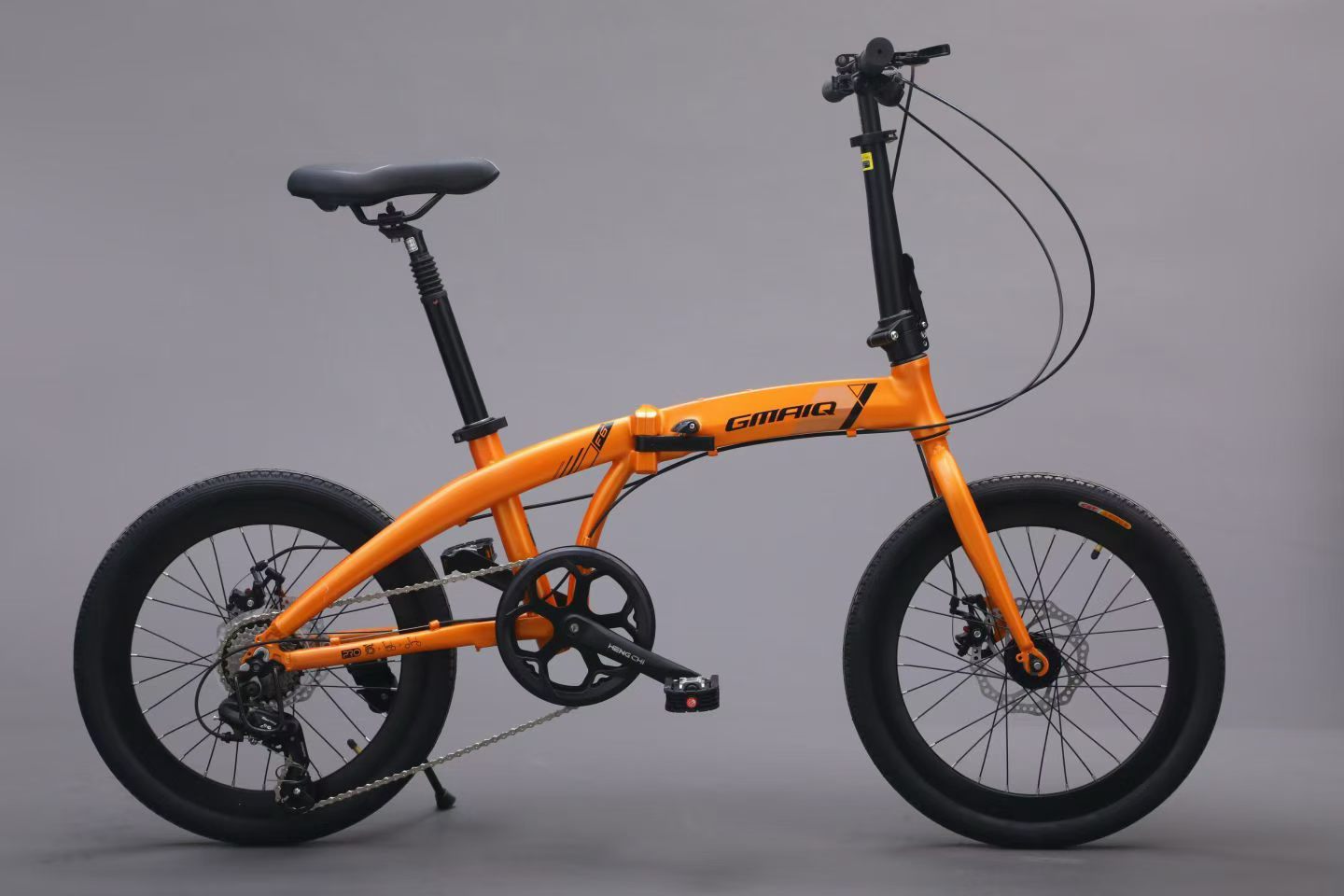
MOQ is a sum of small minimums
A supplier quoting “one container” or “500 pieces” is usually expressing the result of a calculation, not a rule. Behind that figure sit several smaller minimums that each have their own reason:
- A minimum per model, because a model requires its own material order, jigs, decals and inspection record.
- A minimum per colour, because painting runs in batches and a colour change consumes cleaning time and paint.
- A minimum per frame size, because frame sizes are cut and welded as separate items.
- A minimum per component specification, because brakes, drivetrains, tyres and saddles come from sub-suppliers with their own packaging units.
- A minimum per carton configuration, because packing lines are set for a carton size and a units-per-carton figure.
When an importer asks for five models in four colours and three sizes, the supplier is not looking at one number. The supplier is looking at up to sixty combinations, each of which has to reach its own threshold before the batch makes sense.
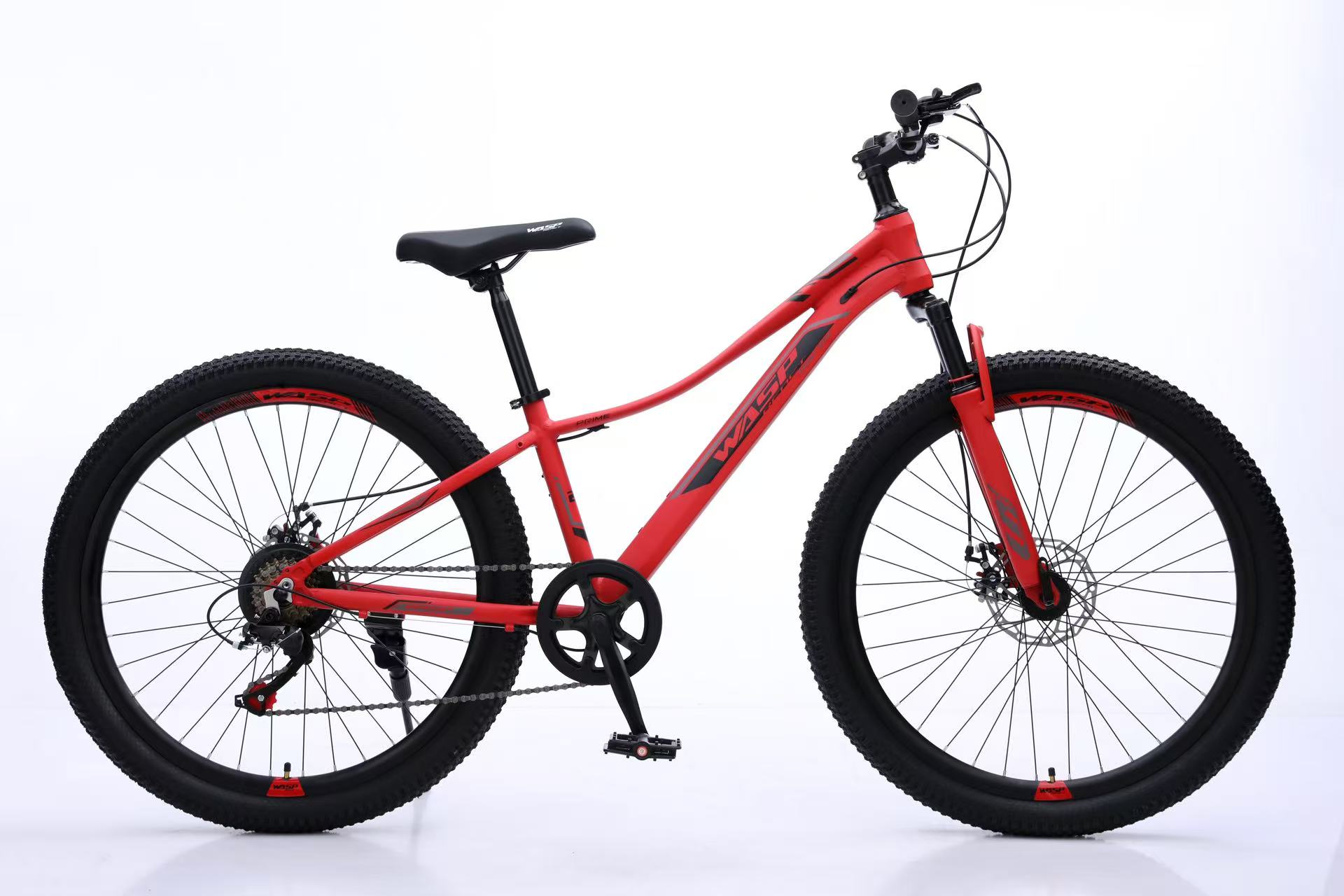
Where the thresholds actually come from
Three practical sources set the thresholds.
The first is material purchasing. Steel tube, aluminium profiles, tyres, tubes and saddles are bought in supplier packing units. A batch has to consume a sensible share of those units to avoid leftover stock that the supplier has to carry.
The second is process setup. Paint lines, decal application, wheel building and assembly each have a setup cost per changeover. A very small batch per colour means the setup cost is spread over too few units, which raises the unit price rather than lowering it.
The third is quality control and documentation. Each model needs its own inspection record, packing list and, where relevant, test report. That overhead is roughly fixed per model regardless of quantity, so a supplier who accepts many tiny model batches carries a documentation cost that has to be recovered somewhere.
Why the quoted number can look high
An importer comparing two suppliers may see 200 units from one and 500 from the other for what looks like the same model. Usually the difference is not policy but composition:
- One supplier may count the order per container, so the MOQ reflects a full load rather than a model minimum.
- One may include the carton printing setup, which has its own run length.
- One may be quoting a model that shares components with existing stock, allowing a smaller run.
- One may be applying a different colour minimum, or a different size distribution.
The practical response is to ask for the composition in writing: minimum per model, minimum per colour, minimum per size, and the price impact of going below each one. A supplier that can explain the composition is usually also able to propose a workable alternative.
Five ways to reduce the effective minimum
Importers who need a smaller first order usually have more room than they think. These approaches work because they change the constraint rather than arguing about the number.
- Reduce the variation matrix. Two colours instead of four, three sizes instead of five, and one component specification across the range. The model count stays; the combination count collapses.
- Share components across models. A common tyre size, saddle, brake model and grip means the sub-supplier minimums are consumed by the whole order rather than by one model.
- Use existing models instead of new ones. A model already in production carries no new tooling and often accepts a smaller run than a model that has to be developed.
- Split the order across two shipments. The total volume stays the same, the production batch is committed once, and the importer’s cash exposure is spread over time.
- Accept a mixed container instead of a single-model container. Mixed loading lets several models each run at their own minimum while the container still fills.
Each of these has a cost. Fewer colours may reduce trade appeal; sharing components may limit the specification options; splitting shipments adds freight and administration. The point is to choose the trade-off deliberately rather than to accept a quoted minimum as fixed.
What to send when asking for a quotation
A quotation request that produces a useful answer contains the model or reference, quantity per model, colour and size distribution, component specification or reference bike, destination market, packing requirement and target price level. When the quantity is below a supplier’s stated minimum, say so and explain the plan — a first test order with a defined second order is a stronger position than a request for a discount on a small batch.
BOLUN’s OEM inquiry checklist lists these fields in the order that makes a quote comparable, and the wholesale FAQ answers the commercial questions that usually come first. For the range itself, review the children’s bicycle models, mountain bicycle models, city bicycle models and parts range.
MOQ and price: what actually moves
Importers often assume that a larger quantity automatically produces a lower unit price. It usually does, but the mechanism matters. Unit price falls when the batch size absorbs setup costs and material packing units; it does not fall indefinitely. Beyond a certain volume, the cost of paint, components and labour is already fully utilised, and further growth mostly changes freight economics rather than production cost.
That is why a supplier can sometimes quote a lower price for 400 units than for 300 without any change in specification: the batch crossed a threshold. It is also why doubling an order occasionally produces no price change at all.
The useful question to ask is not “what is the best price” but “which quantity reaches the next cost threshold”. Suppliers who know their own setup structure can answer that directly.
A workable sequence for a first order
- Ask for the MOQ composition in writing, per model, colour, size and component.
- Reduce the variation matrix before arguing about quantity.
- Share components across the models in the order.
- Consider a mixed container or a two-shipment plan.
- State the reference model, the destination and the target price in the inquiry.
- Confirm the price at the quantity you can actually commit to, not at a quantity you hope to reach.
Following that order usually produces a quotation that reflects the real order rather than a generic minimum, and it makes the second order much easier to negotiate because the composition is already documented.
Related guides on this site
Other guides in this series cover the decisions that sit next to this one:
All buyer guides on this site are indexed on the bicycle wholesale buying guides page.