
“How many bikes fit in a 40-foot container?” is one of the first questions an importer asks, and one of the least useful when answered as a single number. Capacity depends on carton dimensions, on the model mix, on how the cartons stack, and on whether the bicycles ship assembled or partly disassembled. Two suppliers can both answer honestly and give numbers 30 percent apart.
The useful answer is a method: calculate capacity from carton data for the actual order, then check it against the container’s internal dimensions and weight limit. This guide sets out that method and the decisions that change the result.
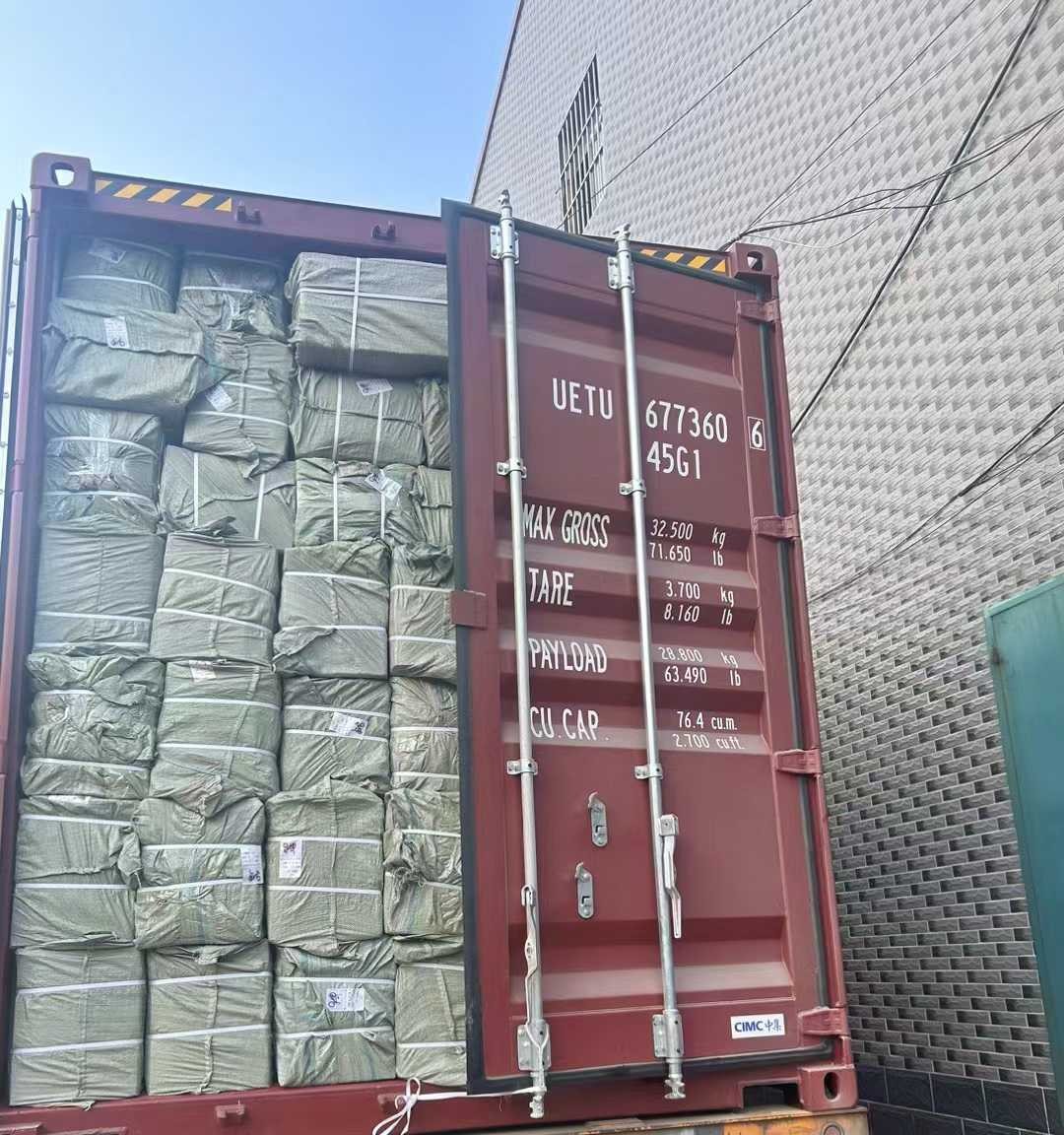
Start from the container’s usable volume, not its nominal size
Containers are described by nominal length: 20-foot, 40-foot, 40-foot high cube. The usable internal volume is smaller than the outside dimensions suggest, and the difference matters when a carton layout is tight.
The figures below are typical internal dimensions for standard dry containers. They vary by manufacturer and age, so confirm the actual container specification with the forwarder for a shipment you are planning.
- 20-foot: roughly 5.9 m internal length, 2.35 m width, 2.39 m height.
- 40-foot: roughly 12.03 m length, 2.35 m width, 2.39 m height.
- 40-foot high cube: same footprint, roughly 2.69 m height.
Two constraints apply on top of volume: the maximum payload (typically well below the container’s nominal capacity) and the stacking limits of the cartons. Bicycles are light relative to volume, so volume usually binds before weight — but cartons that cannot be stacked will waste the top half of the container regardless of weight.
Convert the order to carton volume
For each model, collect four numbers from the supplier: carton length, width, height, units per carton and gross weight per carton. Then:
- Carton volume = length × width × height.
- Volume per unit = carton volume ÷ units per carton.
- Order volume = Σ (units per model × volume per unit).
- Units per container = usable container volume ÷ volume per unit, adjusted for the loading pattern.
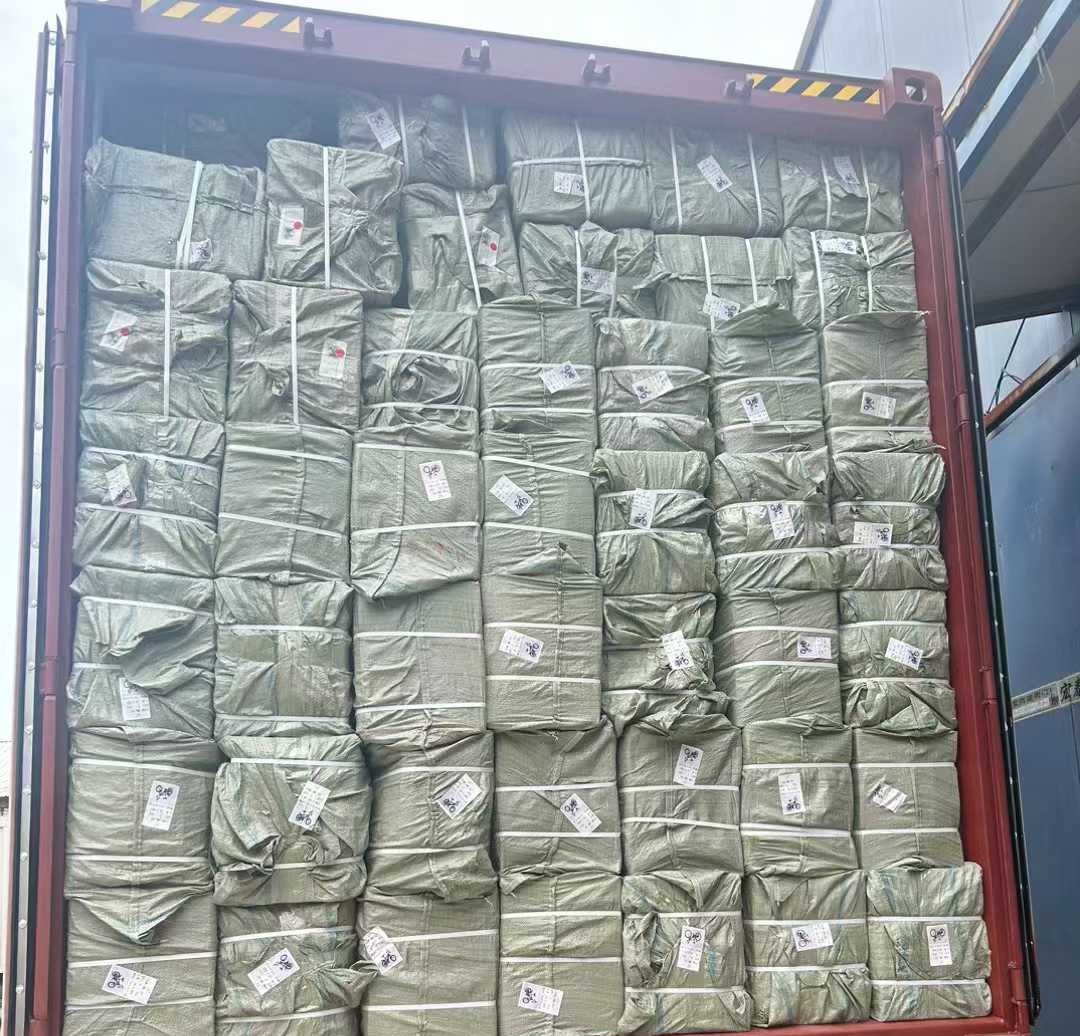
The loading pattern adjustment is where the estimate usually goes wrong. A pure volume division assumes the cartons fill every corner. In practice, a layer of cartons rarely fits the container width exactly, and the leftover space is either filled with a different carton size or left empty.
Why model mix changes capacity
Cartons for a 12-inch kids bike and a 29-inch mountain bike are not the same box, and a mixed load cannot be optimised as if they were. In a mixed container, capacity is decided by which cartons fill the gaps.
Practical consequences for a mixed order:
- Loading a mix of large and small cartons usually beats loading only large ones, because small cartons fill the residual spaces.
- Model counts and quantities should be planned together with the loading plan, not after the order is confirmed.
- The loading sequence affects accessibility at destination: the models needed first should not be buried behind others.
This is why a supplier who quotes “one container holds X bikes” without asking for the model mix is quoting a rule of thumb, not your shipment.
What changes the carton size
Four specification decisions have a direct effect on capacity:
The assembly state. Bicycles shipped with the front wheel removed and handlebars turned pack tighter than fully assembled bikes. The assembly work at destination is the trade-off.
Pedal and accessory packing. Pedals, baskets, training wheels and mudguards add carton volume if packed in the bicycle carton. Packing them separately can improve the bicycle carton fill but adds a second carton type to load.
Carton strength and protection. A heavier carton specification may allow more stacking layers, which increases usable height. A weaker carton forces lower stacks and wastes volume.
Wheel size and frame size. Larger wheels require longer cartons; a size run that mixes 26 and 29 inch frames produces cartons that do not stack cleanly together.
Weight, stacking and the limits that override the maths
Even when volume allows more units, three limits can reduce the load:
Payload limit. Confirm the container’s maximum payload with the forwarder and compare it against carton gross weight × units. For bicycles the margin is usually comfortable, but e-bikes and heavy cargo models are a different case.
Stacking limit. If the supplier states a maximum stack height for the carton, the usable height becomes that limit, not the container height.
Fragile or uneven cartons. Cartons containing painted frames or loose parts may need to stay at floor level, which reduces the effective volume even if the arithmetic says otherwise.
How to verify the number before booking
Ask the supplier for a loading plan rather than a capacity figure: the carton list with dimensions, the planned stack height, the planned layer pattern, and the resulting unit count per model.
Then check the plan against a simple test: does the total carton volume stay within 85 to 90 percent of the usable container volume? Below that range there is usually room for more units or a better mix; above it, the plan is likely optimistic.
For a first shipment, a pre-loading inspection is a cheap way to confirm the packing reality: carton dimensions, stack height, marks and the count per model. BOLUN’s carton packaging checklist lists the fields to record, the container loading and shipping terms guide covers the documentation and evidence side, and the pre-shipment inspection checklist covers the inspection itself.
Model ranges and their carton data sit under children’s bicycles, mountain bicycles, city bicycles and compatible parts.
A planning worksheet for your order
- List each model with units planned.
- Record carton L/W/H, units per carton, gross weight, stacking limit.
- Calculate carton volume and volume per unit.
- Multiply by units to get total volume.
- Compare total volume against 85–90 percent of usable container volume.
- Adjust the mix — not just the quantity — if the total is outside that range.
- Confirm with the forwarder: container internal dimensions and payload.
- Ask the supplier for the loading plan and check it against steps 3–6.
The result is a capacity figure that belongs to your order and can be defended when the forwarder asks why the container is planned the way it is. That is more useful than a number remembered from a previous shipment with a different model mix.
Related guides on this site
Other guides in this series cover the decisions that sit next to this one:
All buyer guides on this site are indexed on the bicycle wholesale buying guides page.
Where this sits on the site
If you are putting a container together, the pages below carry the model range, the trade terms and the quote form.