
A bicycle can pass a factory inspection and still arrive with scratched paint, a bent accessory or a carton that cannot be stacked safely in the buyer’s warehouse. Packaging choices affect freight planning, receiving labour, shelf presentation and the cost of claims. Yet “pack one bicycle per carton” leaves too many details open to interpretation.
A useful bicycle packaging specification gives both sides a shared reference before bulk production. It identifies the product configuration, protection points, loose accessories, carton marks, measurements and approval evidence. It also separates confirmed values from items that still need a supplier quotation. This guide is for importers, wholesalers and private-label buyers. It does not state BOLUN’s carton dimensions, packing quantity, materials, MOQ, price or lead time; confirm those values for the actual model and order.
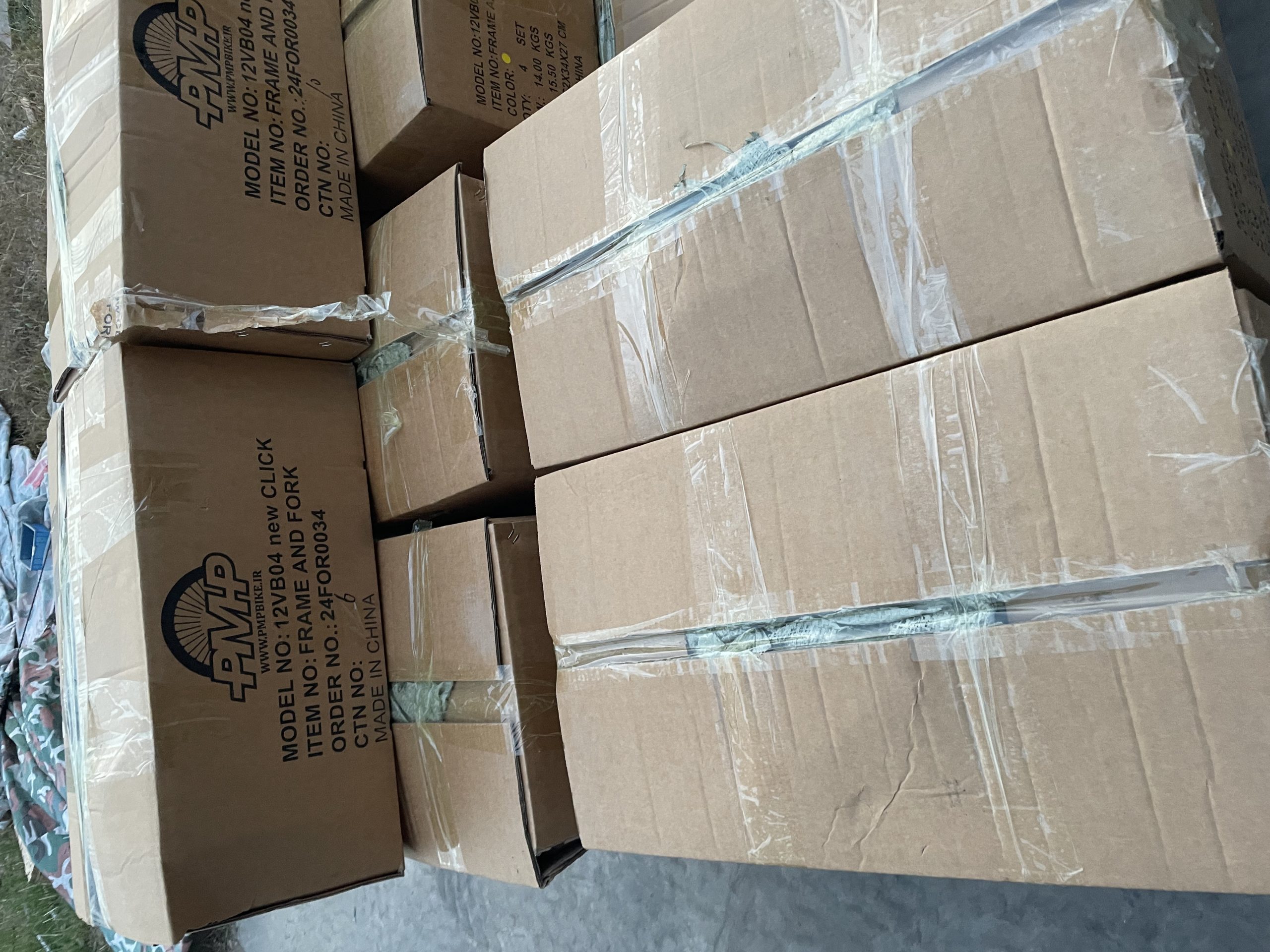
Why bicycle packaging belongs in the RFQ
Packaging is part of the product delivered to the buyer. A low unit price can be offset by high receiving labour, damaged finishes or a shelf carton that cannot be identified at a glance. A carton that occupies more space than expected may also change the shipment plan. The buyer should compare the bicycle specification and its packed state together, not as separate decisions made by different teams.
The packaging brief should answer four questions: what is inside each carton, how is it protected, how can the carton be identified, and which measurements are used for logistics planning? If these questions are left until after sample approval, a change to the carton or packing method may affect cost, artwork, loading and delivery dates.
Ask the supplier to quote against one defined packing configuration. If two options are being compared, label them A and B and request a separate set of dimensions, weights, photos and cost for each. Never assume that a previous model’s packaging can be copied to a new frame size or accessory set.
1. Identify the exact bicycle and packing unit
Start with the model code and product revision that will appear on the purchase order. State the bicycle category, size or wheel-size variants that are in scope, colour, component configuration and included accessories. If the order includes several variants, show which variants share a carton specification and which require separate packaging.
Define what the word “carton” means in the order file. It could refer to one shelf-ready bicycle box, an inner box for parts, an outer master carton, or a shipping case that groups several shelf units. These are different packing units. Use a simple packing hierarchy:
- Bicycle unit: the bicycle and all parts needed for the buyer’s agreed delivery state.
- Trade or unit carton: the package handled by the warehouse, distributor or end customer.
- Master carton or pallet: an outer grouping, if the order uses one.
- Shipment unit: the carton, pallet or other load unit shown in shipping documents.
Record the number of bicycles or parts in each packing unit and the total units per shipment. If loose accessories are packed separately, list them by item and identify the bag or box that contains them. The number of products per carton, gross weight, net weight and carton dimensions are [to be confirmed] until the supplier confirms them for the actual configuration.
2. Choose the assembly state with the receiving team
The bicycle may be packed fully assembled, partially assembled or in another agreed state. Each option changes carton shape, protection needs and the work required at the destination. The importer should compare the packed sample with the warehouse or distributor’s ability to receive, store and prepare the bicycle.
For a partially assembled bicycle, identify exactly which parts are removed or repositioned, how each part is protected, and where the fitting hardware is placed. A bag of bolts or pedals should be labelled so the receiving team can match it to the bicycle. The assembly instructions should match the packed configuration and the buyer’s intended handover process.
Do not approve an assembly state from a product photograph alone. Ask for a packed sample or a clear packing sequence. The sample should show the handlebar, pedals, front wheel and any other parts that are handled separately, where relevant to that model. Check that cables, hoses and painted surfaces are not pinched or pressed against sharp edges. Confirm that the final production method will follow the approved packing reference.
3. Map the protection points before approving materials
A packing material name does not prove that the bicycle is protected. The buyer should identify the contact points that can move, rub, bend or carry pressure in transit. Review the actual model and note the frame, fork, handlebar, wheel, derailleur, brake components, saddle and accessories that need separation or restraint. The relevant points vary by bicycle and configuration.
Ask the supplier to show the packing method in sequence. A useful photo set includes the bicycle before packing, protection around vulnerable areas, loose items in their bags, the closed carton and the carton label. For a new model or high-value order, compare a packed sample with an unpacked reference so the buyer can see which part is protected by each material.
Protection should hold components in place without leaving excessive movement. At the same time, tight restraints should not press a delicate part against the frame or damage a finish. If the buyer requires a drop, vibration or other packaging test, name the method, sample quantity, acceptance criteria and responsible party in the RFQ. Do not write “export standard” without defining what evidence the supplier must provide.
Keep reusable parts and loose accessories traceable
Pedals, tools, manuals, reflectors and other included items are easy to overlook in a carton review. Add each item to a packing list and state whether it is fixed to the bicycle, packed in a parts bag or placed in a separate compartment. If the buyer uses a barcode or model label, the label should identify the correct variant and must not contradict the product carton.
4. Specify carton construction and closure by requirement
The buyer should state the conditions the carton must handle rather than selecting a material by name alone. Relevant questions include how the carton will be stacked, whether it will be moved by hand or equipment, how it will be protected from moisture, and whether it needs to maintain a trade appearance after transport. The supplier can then propose a suitable construction for review.
Record the carton material or grade only after the supplier confirms what is available for the project. Carton board grade, wall construction, inserts, dividers, corner protection, tapes and straps may affect cost and packed dimensions. Each is [to be confirmed] when there is no written specification. If the buyer has a required carton-strength test or stacking limit, record the test method and acceptance criteria instead of relying on a generic strength adjective.
Agree on closure and handling details. The RFQ can ask whether the carton will use tape, straps, staples or another closure, but the final method should be visible on the approved sample. Make sure the closure does not cover the shipping marks, barcode or warning text. If cartons are palletized, specify the pallet type, wrapping method, maximum load height and any buyer-specific handling restriction; each value is [to be confirmed] until confirmed.
5. Make carton marks readable and consistent
Carton marks reduce receiving errors when they match the purchase order and packing list. Before printing, confirm the fields the warehouse needs: buyer or brand name, model, colour, size, quantity, carton number, destination or purchase-order reference, barcode and handling marks where required. Only include statements that are accurate for the shipment.
Create one approved artwork file and assign it a revision. State the carton face, label location, print size, language and barcode format. The buyer should check that the human-readable text agrees with the encoded barcode and the product inside. If the carton contains mixed variants, show the quantity and identity of each variant clearly; do not use a single label that makes one model look like another.
Keep shipping marks separate from consumer-facing claims. Do not add a certification logo, country-of-origin statement or safety claim unless it is applicable and documented for the actual product and destination. If a mark is not confirmed, leave it out of the artwork until the responsible buyer approves it.
6. Collect logistics measurements from the packed sample
Logistics planning needs the dimensions and weight of the final packed unit, not an estimate from an assembled bicycle. Request the external carton length, width and height, gross weight and net weight for each packing configuration. Clarify the measurement method, rounding convention and whether the values include pallets or master cartons.
Ask the supplier to provide a packing list that reconciles the number of cartons, units per carton and total quantity. For mixed-model shipments, request a carton breakdown by model and variant. The buyer can then compare the packing list with the purchase order and shipment documents before dispatch.
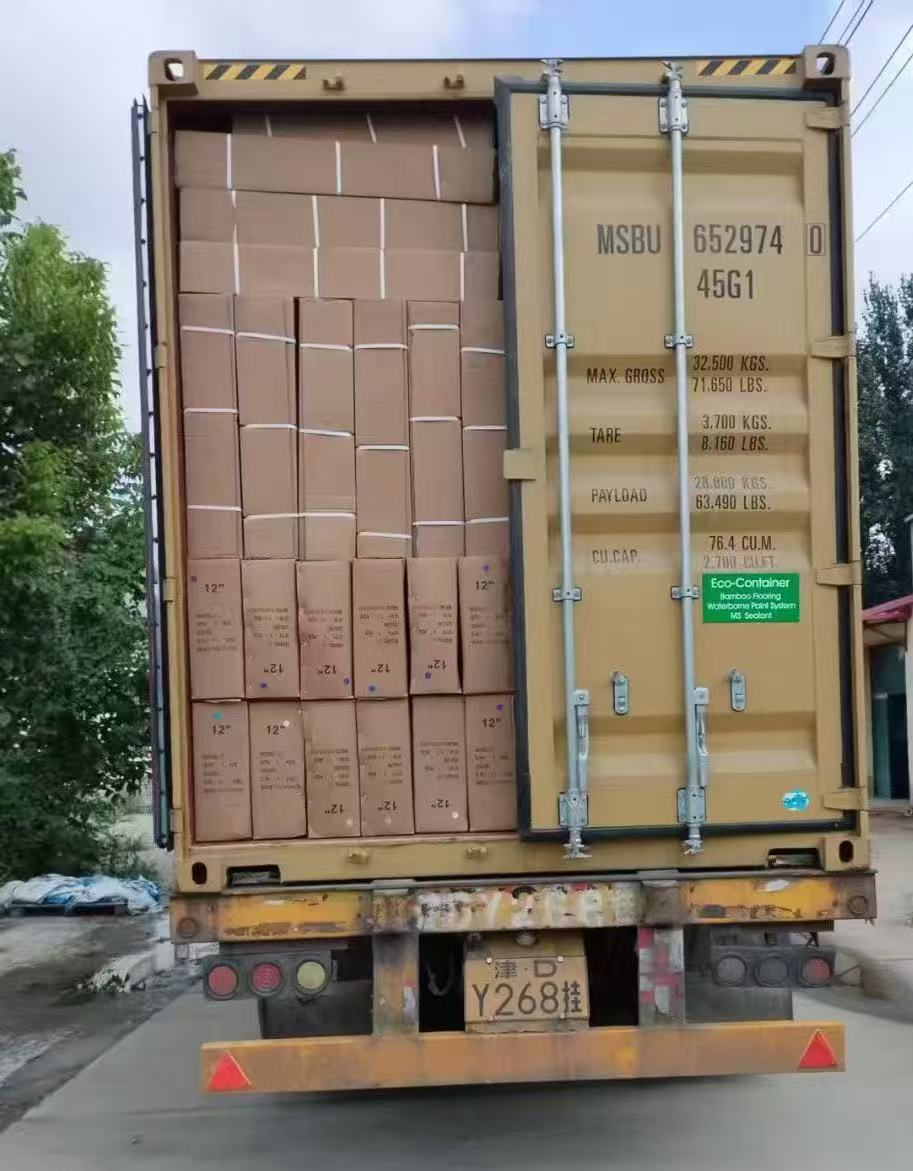
Container loading should be planned from approved outer dimensions and weights. Do not calculate volume from a bicycle’s wheel size or assume every carton can be rotated or stacked in any direction. Ask the supplier to identify permitted orientation, stacking limits, pallet requirements and any cartons that cannot carry a load on top. The final carton dimensions, weights, loading quantity and pallet configuration are all [to be confirmed] for the order.
7. Approve packaging with a documented sample
Packaging approval should be tied to the product revision and packing specification. Use a sample record that identifies the model, configuration, carton artwork revision, accessory list, measurement sheet and date. Record whether the buyer approved the assembled product, the packed carton or both. If the product changes after the carton is approved, check whether the new configuration affects dimensions, protection or labels.
A practical approval sequence is:
- Supplier sends the proposed packing specification and carton artwork.
- Buyer checks model identity, loose parts, labels and destination requirements.
- Supplier prepares a packed sample or documented packing trial.
- Buyer reviews photos, measurements and the physical sample where necessary.
- Open comments are corrected and closed in writing.
- Buyer marks the approved revision for production and shipment reference.
Photos can confirm visible arrangement and label placement, but they do not prove carton strength, packed weight or how the carton performs during handling. If the purchase order requires a packaging test, request the test record and identify the sample. Do not accept a report for another carton design as proof for this one without checking the configuration.
Use a comments table with a reference number, issue, photo, required correction, owner and closure evidence. This makes corrections measurable. “Improve packaging” is too broad; “the pedal bag must be fixed inside the accessory compartment and shown in the approval photo” gives the supplier a testable action.
8. Separate packaging facts from commercial promises
The packaging specification does not by itself settle the commercial terms. Confirm packaging cost, sample charge, production timing, MOQ, carton quantity, shipping terms and responsibility for a damaged shipment in the quotation and purchase order. If the supplier has not confirmed a value, keep it as [to be confirmed] in the buying file.
For each quotation, compare the same packing basis: bicycle configuration, assembly state, carton type, unit count, materials, labels and measurements. If one supplier quotes a shelf-ready carton and another quotes a plain shipping carton, the unit prices are not directly comparable. Request an itemized explanation before choosing the lower number.
Also state what happens when packaging changes after approval. Identify who must approve the new carton, how added material or a new label affects cost, and whether the order schedule changes. Keep the approved artwork and packing list with the purchase order so the pre-shipment inspection team can use the same reference.
Common importer questions
Does every bicycle order need a shelf-ready carton?
No universal answer fits every buyer. The correct choice depends on the sales channel, warehouse process and destination. Tell the supplier whether the carton is for distributor handling, direct-to-consumer fulfilment, warehouse storage or another use, then compare the resulting cost and space.
Can I use one carton size for several bicycle models?
Only if the models fit the same approved packing configuration and the carton protects each one. Verify the packed sample and labels for every variant. A shared carton should not make model identification or receiving more difficult.
Which packaging measurements should I request?
Request the external dimensions and gross and net weights of the final packed unit, plus the packing quantity and carton breakdown. Confirm whether pallet dimensions are included. Values depend on the actual model and carton and must be supplied by the seller.
Is a packing photo enough for approval?
It is useful evidence for visible arrangement, but it cannot establish every measurement or test result. Use the evidence required by the purchase order: physical sample, measured carton data, artwork proof and, when specified, a packaging test record.
RFQ checklist for bicycle carton packaging
Include the model and revision; target market; assembly state; unit carton or master carton definition; accessory list; protection points; carton artwork; language and barcode needs; carton quantity; external dimensions; gross and net weight; pallet and stacking requirements; sample approval method; and any required packaging test. Mark unconfirmed values [to be confirmed] until the supplier provides a written project-specific answer.
Clear bicycle packaging details make quotations easier to compare and give the receiving team a reference before the goods leave the supplier. Pair the packaging specification with the product inspection plan, contract and approved sample so each team works from the same version.
Request a bicycle packaging quote
Send your product list, destination market, preferred assembly state, carton artwork and shipment requirements. If dimensions, packing quantity or material are not yet fixed, mark them as open items for review. Get a Quote or request the product catalog.
For related purchasing checks, see the pre-shipment inspection checklist, sample approval checklist, purchase contract checklist and city bicycle sourcing guide.
Where this sits on the site
If you are putting a container together, the pages below carry the model range, the trade terms and the quote form.