
A bicycle purchase contract should make the exact order easy to identify and the parties’ responsibilities easy to follow. A short quotation or pro forma invoice can start the discussion, but it may leave gaps around product specifications, sample approval, acceptable changes, inspection, shipment documents and the process for handling a mismatch. Those gaps are difficult to resolve after production or after goods have shipped.
This guide is a commercial checklist for importers and brand owners. It is not legal advice and does not replace review by a qualified lawyer familiar with the governing law, destination market and transaction. Treat the sample clauses and topics as items to discuss with your counsel and supplier. Do not assume one template works across every country or order.
1. Identify the parties and contract documents
Write the full legal names and addresses of buyer and seller, the authorized contacts, and the date the agreement takes effect. Confirm which legal entity issues the invoice, receives payment, manufactures the bicycles and handles warranty claims. If a trading company, factory or logistics provider has a role, state that role accurately instead of treating the entities as interchangeable.
List the documents that form the order: master agreement, purchase order, approved quotation, product specification, drawing, bill of materials, sample record, artwork, packaging instructions, inspection plan and any later change order. State how conflicts are resolved. For example, a signed model-specific specification can control technical details while a purchase order controls quantity and delivery window. Have counsel draft the precedence language for the governing law and negotiation context.
Avoid relying on a chat message or product page to establish a critical requirement. Attach the revision-controlled file or identify it precisely by title, date and version. Keep one signed or acknowledged record for each model and order revision.
2. Define the goods and acceptance standard
For a multi-model children’s range, link the order schedule to the children’s bicycle assortment plan.
Describe each bicycle by model code and revision, category, size range, frame and fork specification, colors, component list, accessories, labels, manuals, packaging and quantities. Distinguish included items from optional items and state who supplies them. If a component substitution is allowed, define the permitted range and require written approval before production. If substitutions are not allowed without consent, say so clearly.
Connect the written specification to an approved sample, drawing or golden sample. Record who approved it, when, and which details it represents: appearance, color, assembly, dimensions, components, carton, labels or other agreed features. State how a production sample is compared with that reference and who can approve a deviation. A generic catalog photo should not be the sole acceptance standard for a custom or revised product.
For a complete bicycle, the bill of materials should identify component models or objective requirements for the parts that matter to safety, fit and market positioning. If a specific standard or regulation applies, name the destination market, product category, standard edition or legal requirement and the evidence due from the supplier. Ask the compliance owner to confirm the applicable rules. Do not write “all certificates” without explaining what documents and product scope are intended.
UNCITRAL’s CISG text addresses conformity of goods to the contract, including description, quantity and packaging, unless parties agree otherwise. Whether the CISG applies depends on the transaction and applicable rules; counsel should confirm the legal effect. For the buyer, the practical lesson is to make the agreed product details explicit rather than relying on assumptions.
3. Set quantities, price and payment milestones
Break down quantity by model, size, color and component configuration. State whether the order permits split shipments, partial delivery, overrun or underrun, and what happens to any unapproved excess units. Define the unit price, currency, included accessories, packaging, tooling, artwork, sample charges, freight, insurance, taxes and any other commercial charges that are agreed.
If an amount is not settled, label it as pending and identify who must confirm it and by what date. Do not let a quotation convert an unconfirmed assumption into a silent commitment. For a multi-model order, use a price schedule that maps each price to a model, revision and quantity break. Specify the validity period for the quotation and whether a material or exchange-rate change can alter price, under what evidence, and through whose approval.
Set payment stages with dates or objective triggers, such as deposit after contract confirmation, balance after agreed inspection evidence, or payment against specified shipping documents. Have counsel and the buyer’s finance team review the trigger language and documentary conditions. Avoid vague milestones such as “before shipment” if the parties mean different things by shipment, booking or loading.
4. Allocate delivery, shipping and risk clearly
Name the agreed trade term, the exact named place or port, and the version of the rules. For example, do not write only “FOB” or “door delivery”; specify the applicable named place and confirm the chosen rule suits the transport mode and the seller’s and buyer’s responsibilities. The ICC explanation of Incoterms® 2020 describes how the rules allocate obligations, risk and costs, and also explains that Incoterms do not replace a sale contract or decide matters such as product specifications, payment, remedies, title or governing law.
Set the required ready date, shipment window, destination, allowed split shipments, booking responsibilities, carton marking, pallet or loading instructions and shipping documents.
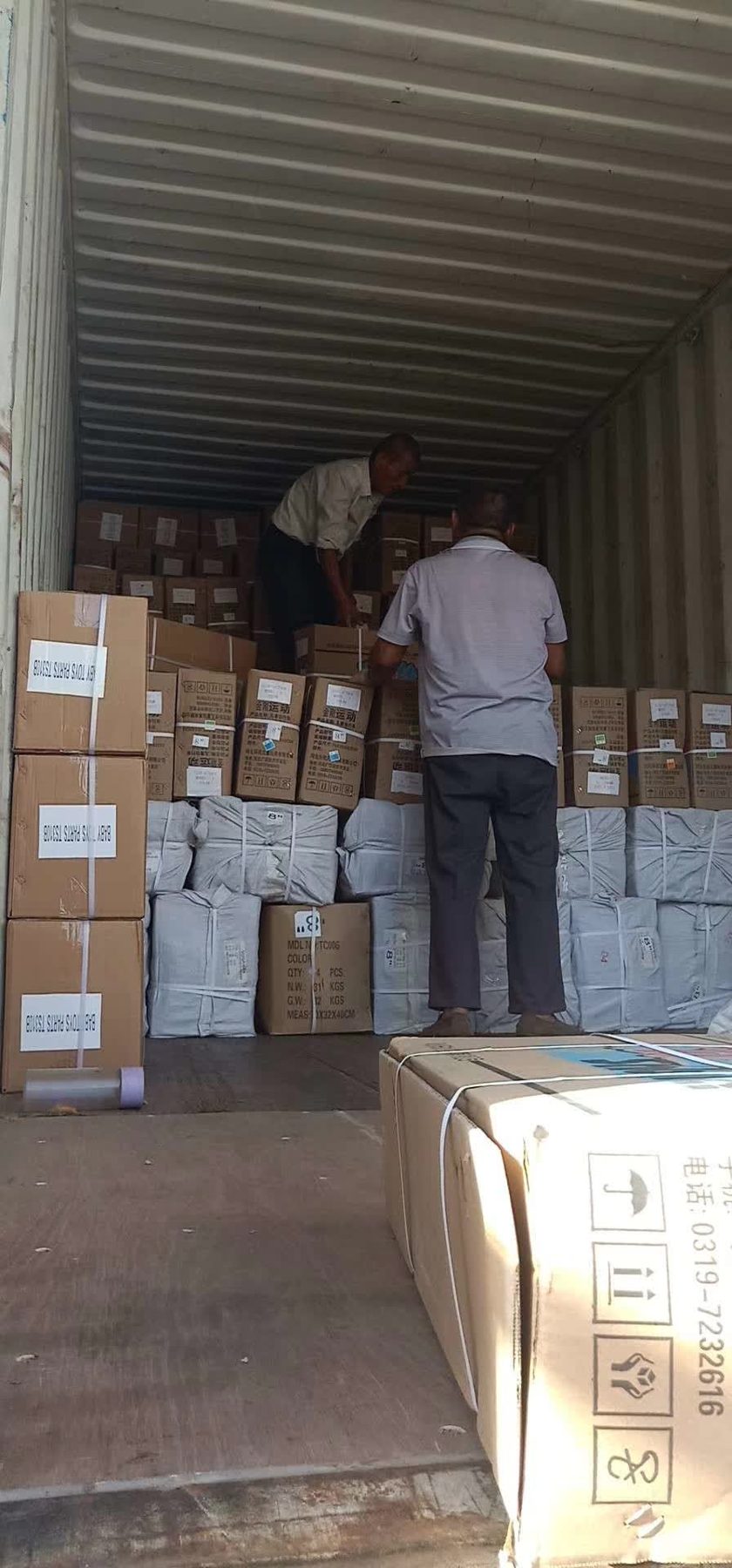 State which party arranges export clearance, import clearance, insurance, freight and any named delivery service, consistent with the agreed Incoterm. Include a process for delay notice, revised milestones and mitigation. The legal and commercial remedy for delay must be agreed separately and reviewed by counsel.
Do not use a delivery date unless both sides know what event it measures: completion, inspection, handover to a carrier, port departure or arrival. Tie the dates to verifiable records where practical. Keep the Incoterm, transport mode and route consistent with the quotation and purchase order.
5. Agree inspection, acceptance and claims procedure
Write down whether the buyer may inspect samples, production, finished goods or loading, who pays for inspection, how much notice is needed, and what happens if access is delayed. Identify the inspection criteria, sample selection method, test reports, defect categories and acceptance limits. Attach the agreed quality plan rather than referring only to “standard quality.” The inspector’s role and the effect of an inspection report on later claims should be explicit.
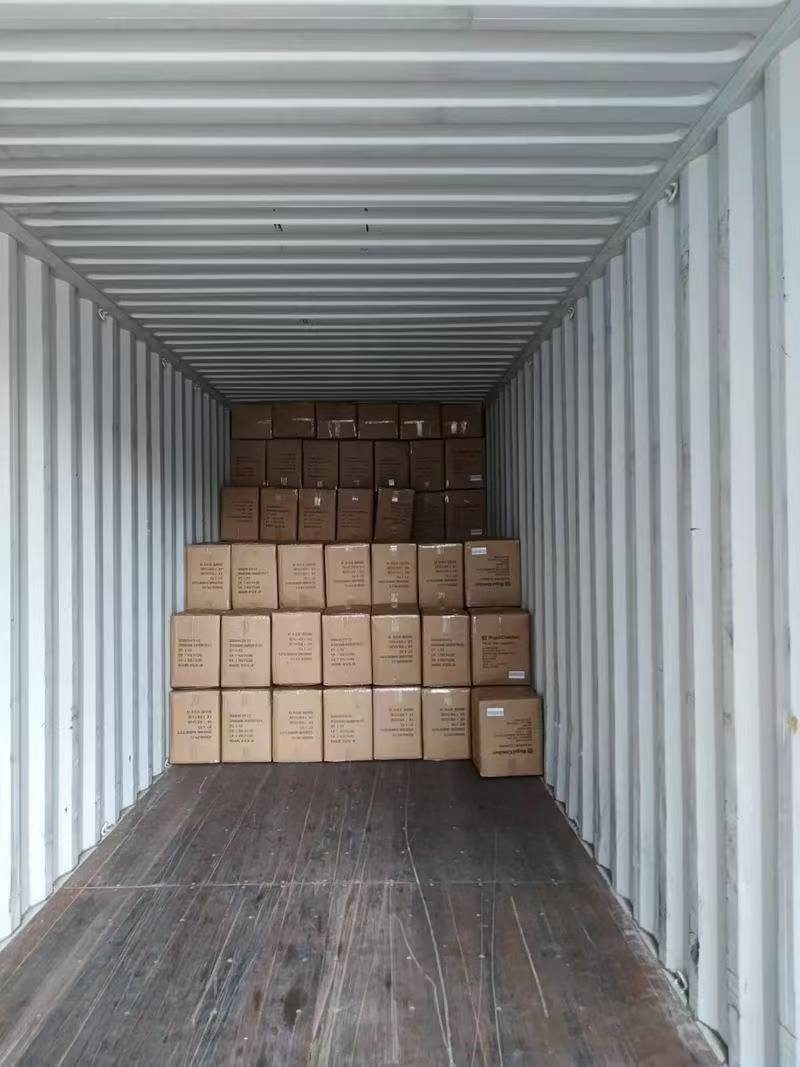
Define when the buyer must examine the goods after delivery and how a suspected mismatch is reported. Include the required evidence: model code, quantity, carton labels, photographs, sample records, test results and affected serial or batch details where available. State who investigates, how the parties contain affected stock, the response deadline, and how repair, replacement, credit or other remedies are agreed. Do not promise a universal remedy; the appropriate remedy depends on the agreement and applicable law.
The CISG includes provisions on examination and notice of non-conformity when it applies. The timing and legal effect depend on the facts, contract and governing rules. Have counsel set the notice and inspection process. Operationally, document the issue quickly and preserve the relevant goods and records while the parties investigate.
Related operational references include our pre-shipment inspection checklist, mountain bike components guide and tire size sourcing guide. They can help teams prepare product and inspection schedules; they do not replace the order’s own acceptance criteria.
6. Control changes, intellectual property and tooling
Treat any color, coating or decal change as a controlled revision; the bicycle paint finish buyer guide outlines the sample details to record.
Require a written change request before the supplier changes the frame, component, material, production site, process, packaging, artwork or subcontractor where that change could affect the approved product or the buyer’s obligations. The request should identify the old and proposed configuration, reason, affected orders, technical evidence, sample or test needs, cost and schedule impact, and the first batch affected. No change should enter the purchase order until the authorized buyer approves it.
For buyer-provided drawings, logos, artwork, molds, jigs or tooling, list the items, owner, location, permitted use, care, access and return or destruction process. State who owns new tooling and new design work, who can use it, and what happens when the business relationship ends. Do not assume ownership or exclusivity from payment alone; ask counsel to draft terms for the applicable law.
Set confidentiality and permitted-disclosure rules for specifications, pricing and customer information. If either party may use the other’s marks, approve the exact use, channels, duration and required artwork. Include a process for resolving suspected unauthorized use.
7. Cover warranty, spare parts and after-sales support
Use the bicycle warranty and spare parts guide to define claim evidence and replacement-part responsibilities.
Define the warranty period and when it begins, what defects are covered, what evidence is required, response times, responsibility for freight and labor, and the repair, replacement or credit process. State any exclusions in clear language and make sure they align with destination-market consumer or product obligations. The B2B allocation between buyer and supplier may not limit obligations the importer owes downstream customers under local law.
List critical spare parts, model compatibility, packaging units, ordering contacts, any availability commitment, and how a discontinued component is handled. Confirm the warranty and spare-parts terms for each model and order; do not rely on a broad factory brochure or an unverified product-page statement.
8. Add dispute, governing law and termination terms
Have counsel specify governing law, dispute forum or arbitration mechanism, language of the contract, notice addresses and permitted notice methods. Clarify how urgent protective relief or enforcement will be handled if relevant. Do not assume the Incoterm or choice of payment currency selects the governing law.
Set conditions for suspension or termination, including material breach, insolvency, prolonged delay or failure to resolve a serious non-conformity. Define what happens to paid tooling, work in progress, deposits, confidential data, completed goods and customer commitments. The exact rights and limits depend on the contract and law, so legal review is essential.
Purchase order release checklist
- Confirm full legal entities and authorized signatories.
- Attach the current model-specific specification and approved sample record.
- Reconcile model, revision, size, quantity, configuration, labels and packaging.
- Define price, currency, payment milestones and open commercial items.
- State the Incoterm version, named place, transport mode and shipment documents.
- Set inspection, acceptance, non-conformity notice and corrective-action steps.
- Require documented approval for product, process, site or subcontractor changes.
- Define tooling, intellectual property, warranty, spare parts and dispute handling.
- Have qualified counsel review governing law, remedies, risk and mandatory local rules.
Request a purchase-ready quotation
Send the supplier the model schedule, destination, quantity by configuration, approved specification, target shipment window, packaging requirements and requested documents. Ask the supplier to identify exceptions and unconfirmed items before the purchase order is released. A clear quotation makes the comparison easier and gives both sides a shared starting point for the contract.
Contact BOLUN for a bicycle quotation with your product list and sourcing requirements. Confirm prices, MOQ, lead time, customization, documents and warranty terms in writing for the specific order. Have your legal adviser review the final contract before signature.
Where this sits on the site
If you are putting a container together, the pages below carry the model range, the trade terms and the quote form.