
A frame color can help a bicycle stand out on a trade floor, but the finish also affects sample approval, repeat-order consistency, decal placement, packaging and the way scratches or repairs are handled. For an importer or private-label buyer, choosing a bicycle paint finish is not just a color decision. It is a written specification that the supplier, buyer and inspector can all check against the same approved sample.
Start by separating three decisions: the color, the surface appearance and the coating process. “Dark blue, matte” describes a look, but it does not define a color reference, gloss range, texture, decal location or inspection limit. The exact coating system, compatibility with the frame material, MOQ, color surcharge, production lead time and price must be confirmed for the selected model and order. This guide gives buyers a practical way to compare options without assuming that every supplier offers every finish.
1. Define the job the finish must do
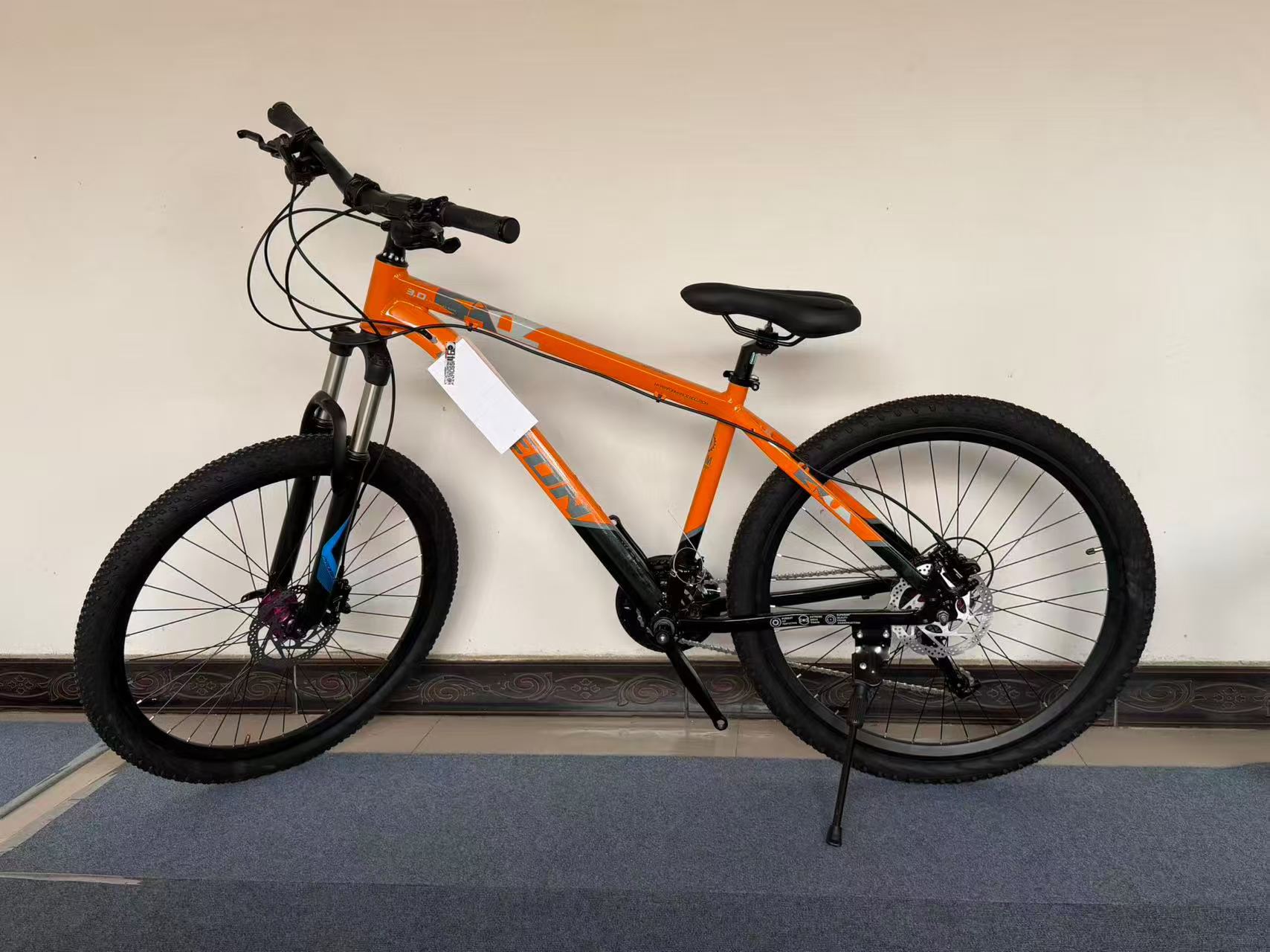
Before requesting a color chart, write down where the bicycle will be sold and how the brand will use the model. A distributor stocking a stable entry-level range may prefer a limited set of repeatable colors. A private-label program may need a specific brand shade, logo position and a clear distinction between adjacent frame sizes or trim levels. A seasonal trade order may value a distinctive visual treatment, while a service-led fleet buyer may prioritize easy identification and practical repair documentation.
These are buyer priorities, not guarantees of paint performance. Ask the supplier which finish systems are available for the specific frame material and model. A process that works for one substrate or frame design may not suit another. Confirm the proposal against the drawing, the factory’s process instructions and the frame maker’s material limits before approving production.
Build a one-page finish brief with:
- bicycle model and frame material, including the exact model or drawing revision;
- requested base color and the reference used, such as a physical master chip or a named color code;
- gloss level or visual target: gloss, satin, matte or another defined appearance;
- special effect, if any: metallic, pearl, fade, texture, two-tone or clear layer;
- logo and decal artwork, dimensions, orientation and position references;
- areas that must remain unpainted or protected, identified on a drawing;
- sample approval owner, inspection method and the agreed acceptance limits.
If any item is still open, mark it “to confirm” in the request rather than letting the supplier infer it from a photograph.
2. Compare appearance choices as separate variables
Gloss, satin and matte
Gloss, satin and matte describe how much reflected light a surface shows. They should be treated as an agreed appearance target rather than assumed to have one universal numerical range. If the supplier can measure gloss, specify the instrument, angle, measurement locations and acceptable range. If not, approve a physical standard and define how visual comparison will be made under consistent lighting.
Matte and low-gloss surfaces can show fingerprints, rub marks or localized sheen differences more readily than a buyer expects. Gloss surfaces may make dust, orange peel, small scratches or uneven reflections more visible. These are inspection considerations, not reasons to reject one finish category outright. Compare a sample in the lighting where the product will be reviewed, and agree what counts as an acceptable variation.
Solid, metallic, pearl and multi-color effects
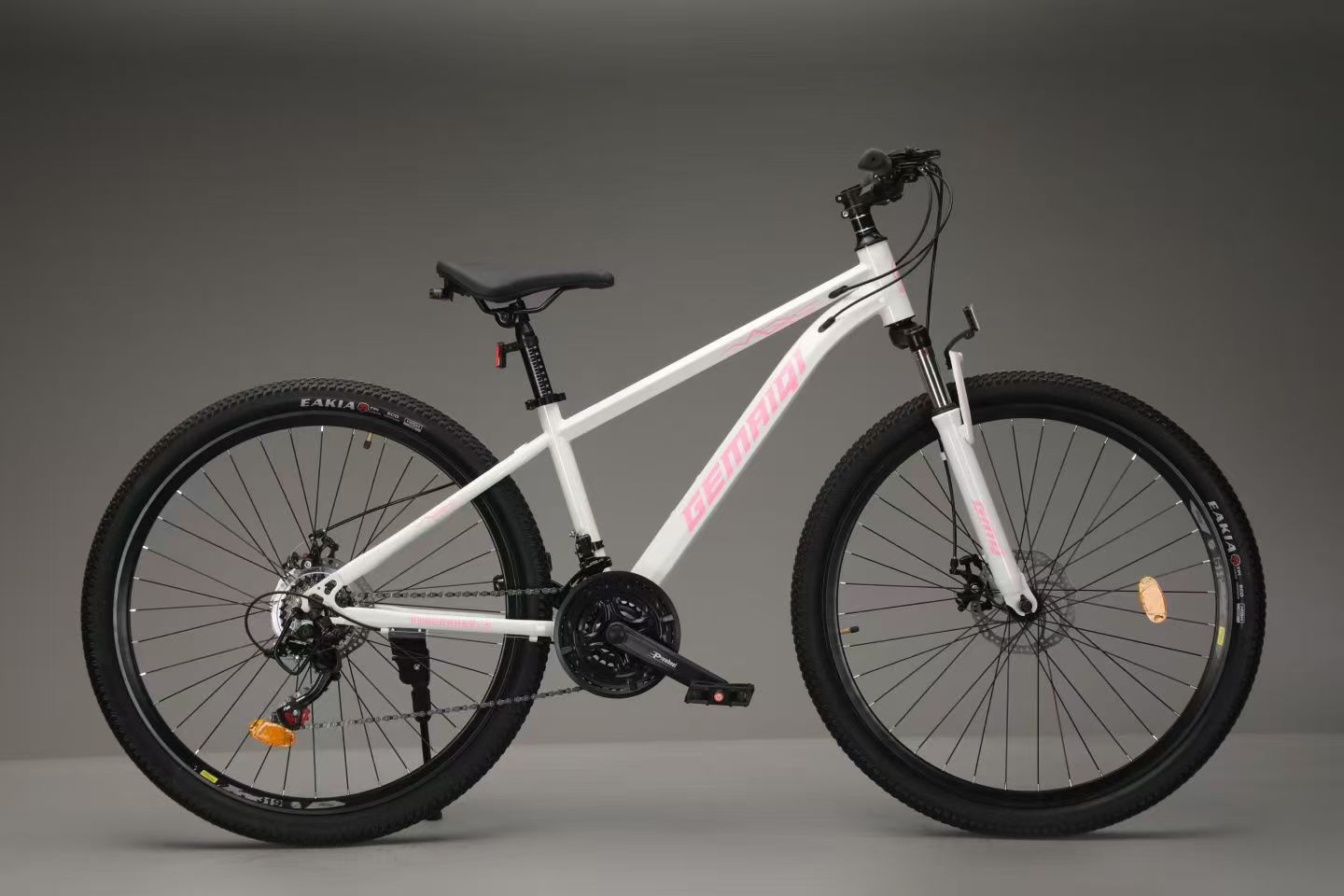
A solid color is usually easier to describe than an effect finish, but it still needs a reference and an approved sample. Metallic and pearl appearances can change with viewing angle and illumination. A fade or two-tone design also introduces boundaries and placement tolerances: the buyer should specify where the transition begins, how it aligns to frame features and whether the left and right sides should mirror one another.
For a multi-color order, assign a code to every color and every model. Avoid descriptions such as “red like last time” or “same as the sample” unless the referenced sample is physically retained, identified and dated. Photographing a sample helps with records, but a screen image alone is a weak color standard because camera settings, display calibration and lighting change its appearance.
Decals, logos and clear layers
Decal position and protection are part of the finish specification. Mark the location from fixed frame features, not only from a general photo. Confirm the logo size, orientation, color, artwork version and whether it sits above or below a clear layer. If the design includes multiple decals, number them on the drawing and identify both sides of the frame.
Some bicycle manufacturers describe multi-layer systems in which primer, color, decals and a clear layer are applied in a defined sequence; coating suppliers also document combinations of liquid and powder layers. These are examples of possible process designs, not a universal recipe. Ask for the exact proposed layer sequence for your model and verify that it protects the required graphics without affecting interfaces or fit.
3. Choose the coating process with the frame material in mind
Buyers often ask whether powder coating or liquid paint is “better.” That question is incomplete. The useful question is which documented coating system is appropriate for the actual substrate, frame geometry, product requirements and approved visual result.
Powder coating is commonly discussed for metal frames and components. The powder is applied and cured according to the coating system. The required surface preparation, pretreatment and cure conditions matter; the Powder Coating Institute notes that adhesion depends on substrate cleanliness, pretreatment and proper melt and cure. Ask the supplier to identify the process steps that apply to the exact frame and how the cure is controlled. Do not treat “powder coated” as a complete quality specification.
Liquid coating systems can include primer, color and clear layers, and a supplier may combine liquid and powder layers. A bicycle-coating manufacturer’s technical material shows one example of a multi-layer OEM system for aluminum, but the stated layer build belongs to that supplier’s system and is not a blanket recommendation for all bicycle frames. For your order, request the supplier’s own coating specification and confirm compatibility rather than copying a thickness or layer sequence from another company.
For aluminum, steel and composite frames, confirm the proposed pretreatment and curing process with the frame or coating supplier. Do not assume that one heat cycle, chemical treatment or coating material is suitable for every frame material. If the coating supplier cannot identify the substrate and process revision covered by its recommendation, keep the finish choice open until the responsible technical party confirms it.
4. Approve a representative sample, not just a color image
A useful finish approval sample should represent the actual model, substrate, coating process, decal arrangement and clear-layer sequence intended for production. A color card can help compare shades, but it may not reveal how a curved tube, weld area, edge or decal transition will look on a complete frame.
Before approving, check the sample under consistent neutral lighting and record:
- Color identity: reference code, physical sample ID, sample date and model revision.
- Surface appearance: gloss or matte target, texture, visible contamination, uneven coverage and color variation.
- Graphics: logo size, position, orientation, spelling, edge quality and alignment to the drawing.
- Interfaces: masking or coating around threads, bearing seats, brake mounts and other fit-critical areas as identified in the product drawing.
- Record control: one signed sample retained by each party, with photographs and a change history linked to the purchase order.
Use the sample approval checklist for importers to connect the finish sample to the full bicycle configuration. If a color or decal changes after sign-off, record the revision and approve the changed sample before bulk production.
5. Agree inspection methods and acceptance criteria
“Scratch-resistant,” “weatherproof” and “high durability” are not complete purchase-order criteria. Ask the supplier what evidence is available for the specific coating system and model, and agree which checks apply to the order. Depending on the buyer’s needs, the inspection plan may cover visual defects, color match, gloss, coating coverage, edge build, decal alignment, adhesion or corrosion-related performance. The buyer and supplier must define the method, sample size, limits and responsibility before the order is placed.
ISO 2409 describes a cross-cut test that assesses resistance to separation when a lattice is cut through the coating. ISO states that this empirical procedure is not a means of measuring adhesion; it can be used as a pass/fail or classification test when the application is appropriate. The standard also notes limits for textured coatings and thick coating systems. If you specify this test, identify the substrate, coating system, test method edition, rating scale and acceptance requirement. Do not write “pass ISO 2409” without an agreed rating and scope.
A test on a flat coupon may not represent a curved frame or every production area. Ask what specimen or frame location is tested and how the lot is selected. Keep destructive tests on agreed samples, and document repair or replacement responsibilities if a production frame is cut or marked during inspection.
For broader production checks, link the finish inspection to the bicycle pre-shipment inspection checklist. Put the agreed specification, inspection window, defect handling and approval records into the bicycle purchase contract checklist.
6. Plan color count, MOQ, timing and packing
A paint color can create its own setup, cleaning, changeover or minimum-batch requirements. Ask for the MOQ by model, frame size, color and finish effect. Confirm whether mixed colors can share one production order and whether the supplier applies a separate setup charge. These numbers are supplier- and order-specific, so record them as [to confirm] until the written quotation arrives.
Ask the supplier to show finish approval as a milestone in the production schedule. The sequence may include artwork submission, color reference confirmation, sample preparation, buyer review, correction, final sign-off and production. Confirm how many sample rounds are included, how a late artwork revision affects the schedule, and which date starts the quoted lead time. Do not treat a sample image or provisional color choice as bulk approval.
Packaging protects the visual finish after inspection. Agree how frames or complete bicycles will be separated, padded and restrained so that painted surfaces, decals and frame contact points do not rub during handling. Ask for the actual packing specification, carton marks and any protective materials proposed for the model; values such as carton dimensions, pieces per carton, gross weight and packing cost remain [to confirm]. Check that package-opening and assembly steps will not scrape the finish or require buyers to remove an unapproved protective film.
7. A request-for-quotation checklist
Send the supplier a concise brief containing:
- model name, material, drawing or specification revision and intended market;
- requested color reference, gloss/texture target and effect finish;
- decal artwork files, placement drawing and clear-layer preference;
- sample quantity and delivery destination, if a physical sample is required;
- expected order quantity by model, size and color;
- requested inspection evidence and acceptance criteria;
- packaging and carton-mark requirements;
- requested MOQ, sample cost, color/setup cost, unit price and lead time, all to be quoted;
- any market-specific documentation that must be confirmed for this exact product.
Attach the approved reference swatch or provide a controlled sample ID. If you only have a visual reference, label it as a starting point and ask the supplier to propose a physical match for approval. Keep every quotation and sample comment tied to the same model code and revision so that a later repeat order does not rely on memory.
Frequently asked questions
Is matte or gloss better for a wholesale bicycle program?
Neither is universally better. Compare the intended trade appearance, visible defect sensitivity, cleaning expectations and how the finish will be checked. Approve a reference sample and define the evaluation conditions.
Can a supplier match a brand color from a photo?
A photo can communicate direction, but it is not a dependable color-control standard by itself. Provide a physical master sample or agreed color reference, then approve a production-representative sample under consistent lighting.
Should buyers specify a coating thickness?
Only when the technical supplier can support a model-specific requirement and the buyer defines how it will be measured. Do not copy a thickness value from a different coating system or another manufacturer’s data sheet.
What should a buyer do when the production finish differs from the approved sample?
Hold the affected lot under the purchase-order inspection process, document the difference with sample IDs and photographs, and follow the agreed review and corrective-action steps. Do not accept a verbal substitution as approval; document any new color or finish revision.
Request a bicycle paint-finish quotation
Send the model list, frame material, color references, artwork, order mix, target market and packing requirements. BOLUN can review the brief and confirm which details can be quoted for the selected models. MOQ, coating availability, sample timing, lead time, price, quality evidence and packing specifications are [to confirm] for each order.
Request a quote or catalog from BOLUN.
Technical references
- ISO 2409:2020 — Paints and varnishes: Cross-cut test — test scope and limitations.
- Powder Coating Institute — FAQ — adhesion factors and coating process guidance.
- Kansai Helios — Bicycle coating systems — one supplier-specific example of liquid/powder systems for bicycle frames; not a universal build specification.
- Bike Fun International — Paint shop technologies — a manufacturer’s example of layered finish and decal protection; do not infer BOLUN’s process from it.
Where this sits on the site
If you are putting a container together, the pages below carry the model range, the trade terms and the quote form.