
A sample can look right on a desk and still fail as the reference for a container order. The carton may be too large for the buyer’s warehouse, a colour may shift under different light, or a substituted component may change the agreed specification. Once mass production starts, those gaps become rework, delayed shipment or a dispute about what was approved.
For an importer, sample approval is a small control step with a large cost effect. It should create a written, traceable agreement between the buyer and supplier before the purchase order moves into production. This guide explains what to inspect, what to record and which commercial points to leave open until they are confirmed. It describes a procurement process, not BOLUN’s specific product specifications, MOQ, pricing or production promises. Confirm all model-specific facts in the quotation and approved specification sheet.
1. Decide what the sample is meant to prove
For sample plans covering several children’s models, start with the children’s bicycle assortment planning guide.
“Please send a sample” is not a complete instruction. The supplier needs to know whether the buyer is checking appearance, fit, function, packaging, compliance documentation or all of them. A review sample may be a hand-built unit; a pre-production sample should reflect the agreed production specification more closely. Those terms are not used identically by every supplier, so define the sample’s purpose in the purchase file.
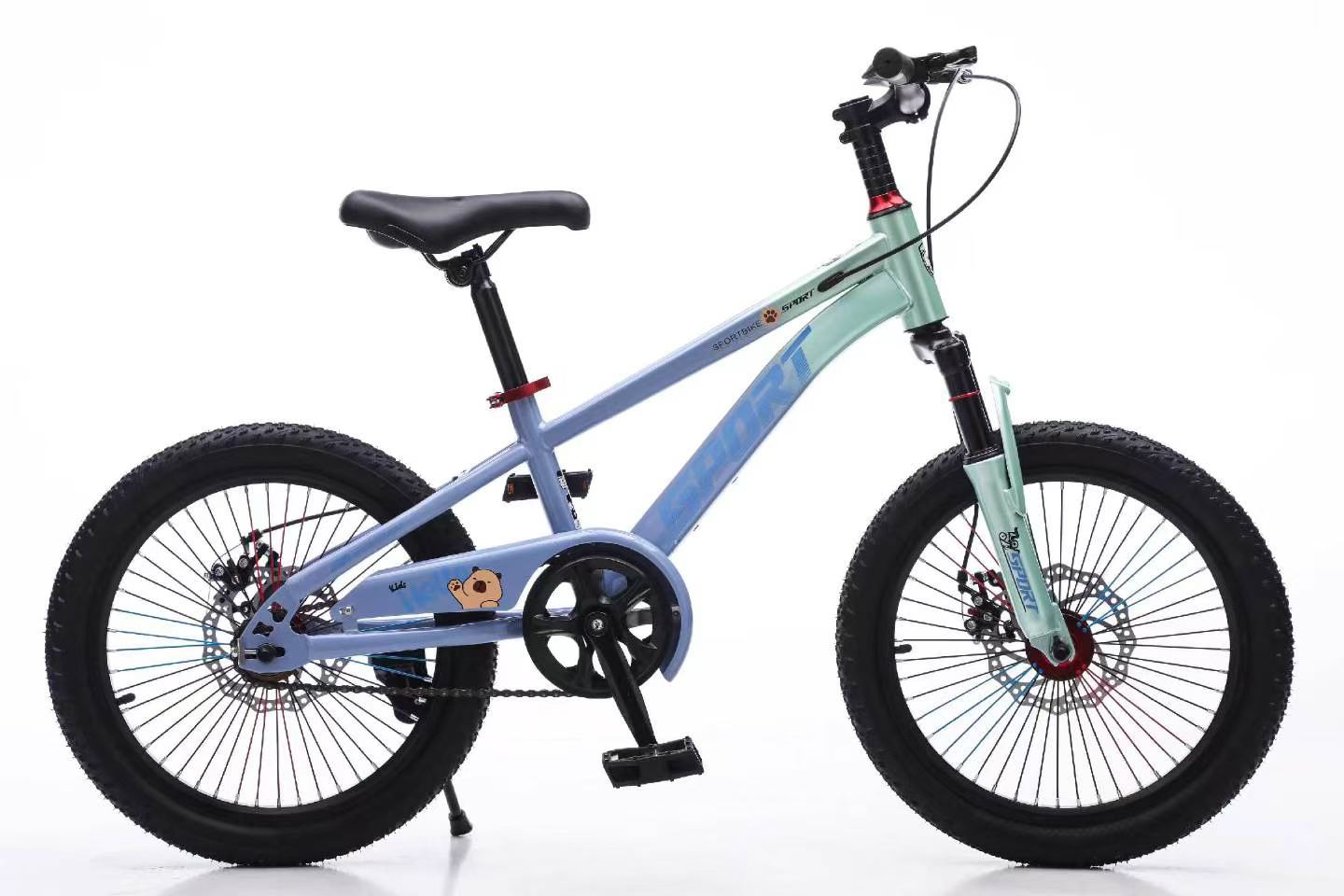
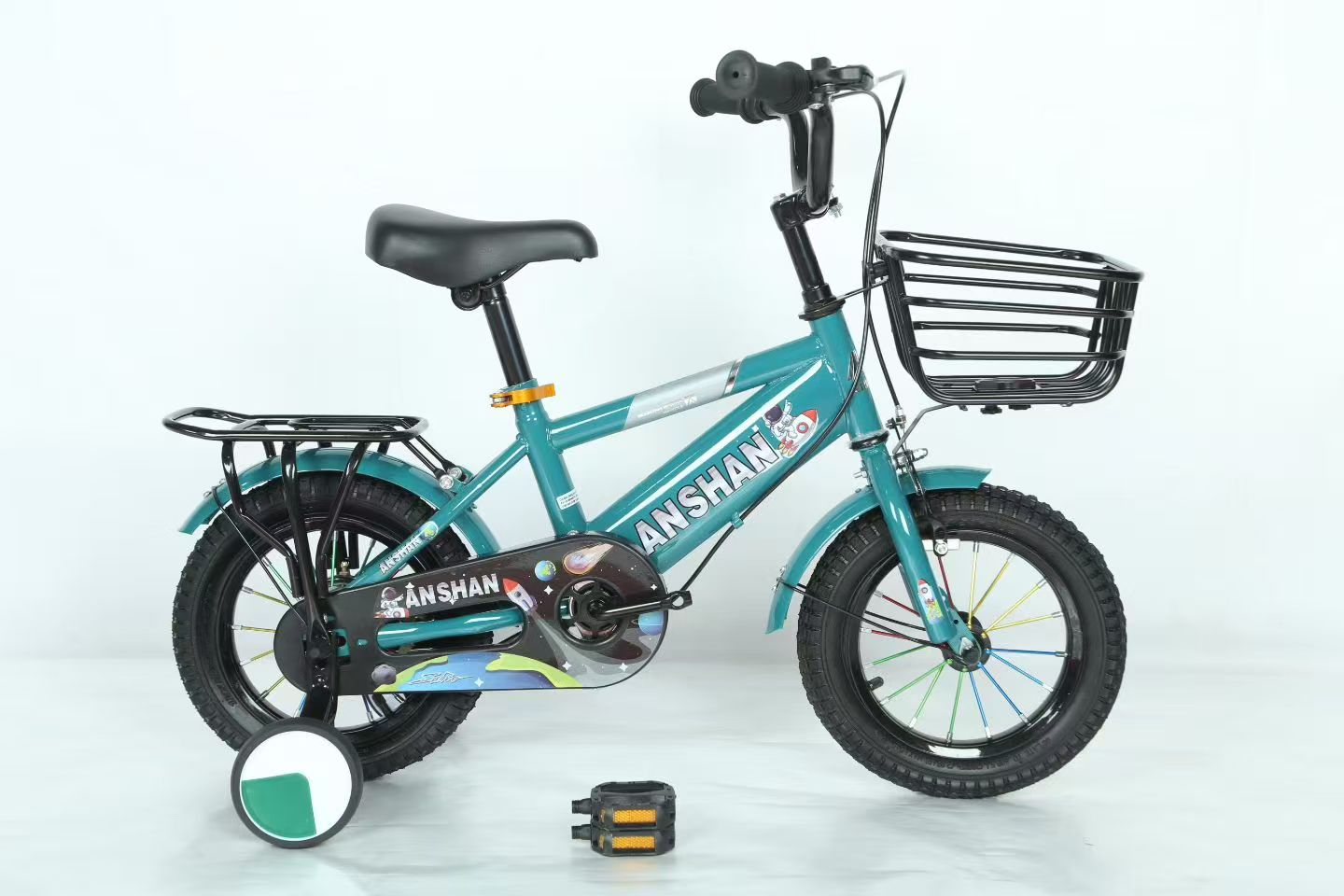
Before shipment, write down the review scope. For a complete bicycle, it may include frame size and finish, fork type, wheel and tyre combination, drivetrain, brakes, contact points, accessories and carton configuration. For a component order, identify the interface dimensions, material or grade where documented, finish, markings, included hardware and fit with the mating part. Do not use a photo alone to approve an item whose dimensions or compatibility matter.
Ask the supplier to label the sample with the model or project reference and revision. If the buyer is comparing two colours or component options, give each sample a distinct code. A label such as “Sample B, revision 2” is more useful than “latest sample.”
2. Freeze the specification before judging the physical item
A sample cannot be approved against a moving target. Attach the current specification sheet, artwork and bill of materials to the approval record. Include model name, size range, colour reference, component brand and model when confirmed, accessories, packaging requirements and the buyer’s market-specific labelling needs. If a detail is undecided, mark it “pending” and state who will close it by what date.
Use a revision table. Record the document name, revision number, issue date and change summary. When a buyer approves revision C, revision B should no longer be used for production. This is especially important when a quotation, product image and sample have been exchanged across separate email threads.
For bicycle products, check interfaces and combinations rather than inspecting each part in isolation. A tyre must match the rim and frame clearance; a brake must match the lever and mounting arrangement; a drivetrain choice affects compatibility across shifter, derailleur, cassette or freewheel and chain. The approved bill of materials should name the actual component or describe the permitted equivalent and require written approval before substitution.
Keep visual references controlled
The bicycle paint finish buyer guide gives buyers a written sample and color-reference checklist.
For colour and graphics, identify the approved physical reference or colour system and the viewing conditions. Phone screens and compressed images can distort appearance. Record which side of the frame carries each logo, its approximate position, orientation and size reference. A signed sample tag or dated approval email can link the physical item to the record.
3. Inspect the sample using a repeatable checklist
Where the sample includes a brake-option change, use the bicycle brake types guide to keep the configuration and inspection points clear.
A useful inspection is repeatable: another colleague should be able to follow the same checks and reach a comparable result. Start with identity and completeness, then move from appearance to function. Record pass, fail or not applicable; add a photo and a short note for every failure. Do not write “quality is good” without saying what was checked.
For a complete bicycle, a buyer’s review may include:
- Identity and finish: model, size, colour, decals, surface marks and visible weld or joint finish where applicable.
- Assembly and fit: wheel centring, handlebar and saddle position, cable routing, fastener presence and obvious interference between moving parts.
- Function: shifting through the specified range, brake operation, wheel rotation and accessory operation. Any workshop setup or adjustment should be documented so it is not confused with a production defect.
- Parts match: compare the sample with the approved component list and note brand, model or visible markings where those are part of the agreement.
- Included items: manuals, tools, reflectors, pedals, spare parts, labels and other items listed in the order.
- Packaging: protection at contact points, separation of loose parts, carton closure, labels, handling marks and whether the packed unit can be identified from the outside.
For parts, add the checks that matter to the interface: key dimensions, mounting points, thread or axle details when specified, finish, included fasteners and a fit check against the target assembly. Use calibrated measurement tools for dimensions that control fit. If a test requires a particular standard, fixture or acceptance limit, put that requirement in the purchase specification and confirm that both parties can perform it.
A visual sample review is not a substitute for required safety testing or market compliance. Buyers should identify applicable regulations and test evidence for the destination market before production. Do not infer certification from a logo, a supplier’s general statement or a test report for a different model.
4. Review the packed sample, not only the assembled bicycle
Packaging affects freight, damage, labour and warehouse handling. If the order will ship disassembled or in a shelf carton, ask for a packed sample or a packaging trial. Confirm the carton dimensions, gross and net weight, packing quantity, protective materials, carton marks, barcode position and documents included. The exact figures should come from the approved packing specification; do not estimate them from an unpacked sample.
Check vulnerable areas such as derailleur, fork ends, brake discs if fitted, display or controls on an e-bike, and painted surfaces that may rub in transit. Ask the supplier to show how small parts are bagged and identified. A loose pedal or an unlabelled accessory can create receiving delays even when the bicycle itself is undamaged.
If the buyer uses a warehouse or distributor-specific carton label, provide the artwork and approval deadline early. Keep a copy of the final carton artwork in the same revision-controlled file as the product specification. Any change to carton size can affect container loading, so verify the final packed dimensions before calculating shipment plans.
5. Turn comments into a measurable correction list
When a sample fails, describe the gap against the agreed reference. “The logo is wrong” is less useful than “the down-tube logo is on the opposite side from artwork revision C.” Assign each item an owner and a closure method: corrected photo, revised sample, updated drawing or written clarification.
Separate critical issues from preferences. A wrong brake model or incompatible interface may block approval. A minor shade preference may be commercially acceptable if the buyer records the tolerance. Avoid vague words such as “premium,” “strong” or “standard” unless the specification defines what they mean.
Give every comment an ID, such as S-01, and link it to a photo. The supplier’s reply should state the proposed correction and whether it changes cost, lead time, tooling, packaging or documents. The buyer should then mark the item open, accepted, or verified closed. This creates a short audit trail if a later production inspection finds a mismatch.
6. Make approval conditional on commercial details being settled
Sample approval does not automatically approve price, MOQ, production timing, payment terms or shipping terms. Keep these as separate purchase-order fields and confirm them in writing. If the supplier has not yet confirmed the value, retain a placeholder such as [to be confirmed] in the internal buying checklist rather than assuming a market-wide figure.
Before placing the bulk order, ask for written confirmation of:
- MOQ by model, size, colour and component option: [to be confirmed].
- Sample charge, sample freight and whether any amount is credited against a later order: [to be confirmed].
- Production lead time and the event that starts the clock, such as deposit receipt or final artwork approval: [to be confirmed].
- Unit price, currency, validity period, Incoterm and any tooling or packaging charge: [to be confirmed].
- Carton dimensions, packing quantity, gross weight and label requirements: [to be confirmed].
- Inspection method, acceptance criteria, booking notice and responsibility for rework: [to be confirmed].
This separation prevents an approved sample from being treated as blanket acceptance of commercial terms. It also makes it easier to compare quotations on the same basis.
7. Use a signed approval record before production
The final record should identify the buyer, supplier, project, product model, sample revision, specification revision and date. Attach clear photographs, the approved component list, packaging reference and any test or inspection document that applies. State one of three outcomes: approved for production, approved subject to listed conditions, or rejected pending correction.
For conditional approval, list the conditions and the evidence needed to close each one. For example, production may not start until corrected artwork is approved or a specific component is confirmed. Name the person authorized to approve changes. A chat message from an unknown team member should not silently replace the buyer’s signed record.
After approval, place the record with the purchase order and inspection plan. At pre-shipment inspection, compare production goods against the approved reference and the stated acceptance criteria. If production requires a substitution, pause that item and obtain written buyer approval before shipment. This is the point where the sample file becomes a practical quality-control tool rather than an archive attachment.
8. Common questions from importers
Is a pre-production sample always identical to mass production?
Not automatically. The buyer should define the sample stage and request confirmation that the production bill of materials, finish and packaging will match it. Any approved variation belongs in writing.
Can approval be given from photos or video?
Photos are useful for screening appearance and checking progress, but they cannot reliably prove dimensions, fit, material composition or every functional requirement. Decide which items need a physical sample or a documented test.
What if the supplier proposes a substitute component?
Compare the proposed part against the agreed function, fit, brand requirement, finish, price and market documentation. Ask for a revised bill of materials and sample evidence. Record approval before the change enters production.
Should the buyer approve the carton at the same time?
Yes, when packaging affects damage risk, shelf presentation, labels or freight planning. Review a packed sample or documented packaging trial, and confirm final dimensions before shipment planning.
Sample approval checklist for your next RFQ
Send the supplier one structured request: product model and target market; specification and revision; sample purpose; required component and artwork checks; packaging format; inspection criteria; required compliance documents; and the date by which comments must close. Ask the supplier to identify every exception before production begins. Keep unresolved MOQ, cost, lead time and packaging values marked [to be confirmed] until both sides confirm them.
A clear approval file helps an importer compare suppliers, reduces avoidable revisions and gives the inspection team a reference it can actually use. It does not remove the need for a contract or market-specific compliance review, but it makes both more precise.
Request a bicycle sourcing quote
Preparing a new bicycle or component order? Send your target model, destination market, estimated quantity, specification file and packaging needs. BOLUN can review the information and return a quotation with the commercial fields confirmed for the actual project. Get a Quote or request the product catalog.
For additional purchasing checks, see our pre-shipment inspection checklist, bicycle purchase contract checklist, mountain bike components guide and warranty and spare parts guide.
Where this sits on the site
If you are putting a container together, the pages below carry the model range, the trade terms and the quote form.