
A custom bicycle order is not defined by a logo alone. For an importer, the practical question is which decisions can be changed without disturbing fit, safety, packing, delivery dates or repeat-order consistency. Before asking for an OEM or ODM quotation, separate the product specification from the presentation details, then agree who approves each item and which document controls production.
This guide gives buyers a working sequence for a bicycle OEM/ODM customization project. It does not assume that every frame, component, finish or certification is available from every supplier. Use it to create a written brief, ask the factory to confirm feasibility, and lock the approved version before placing a bulk order.
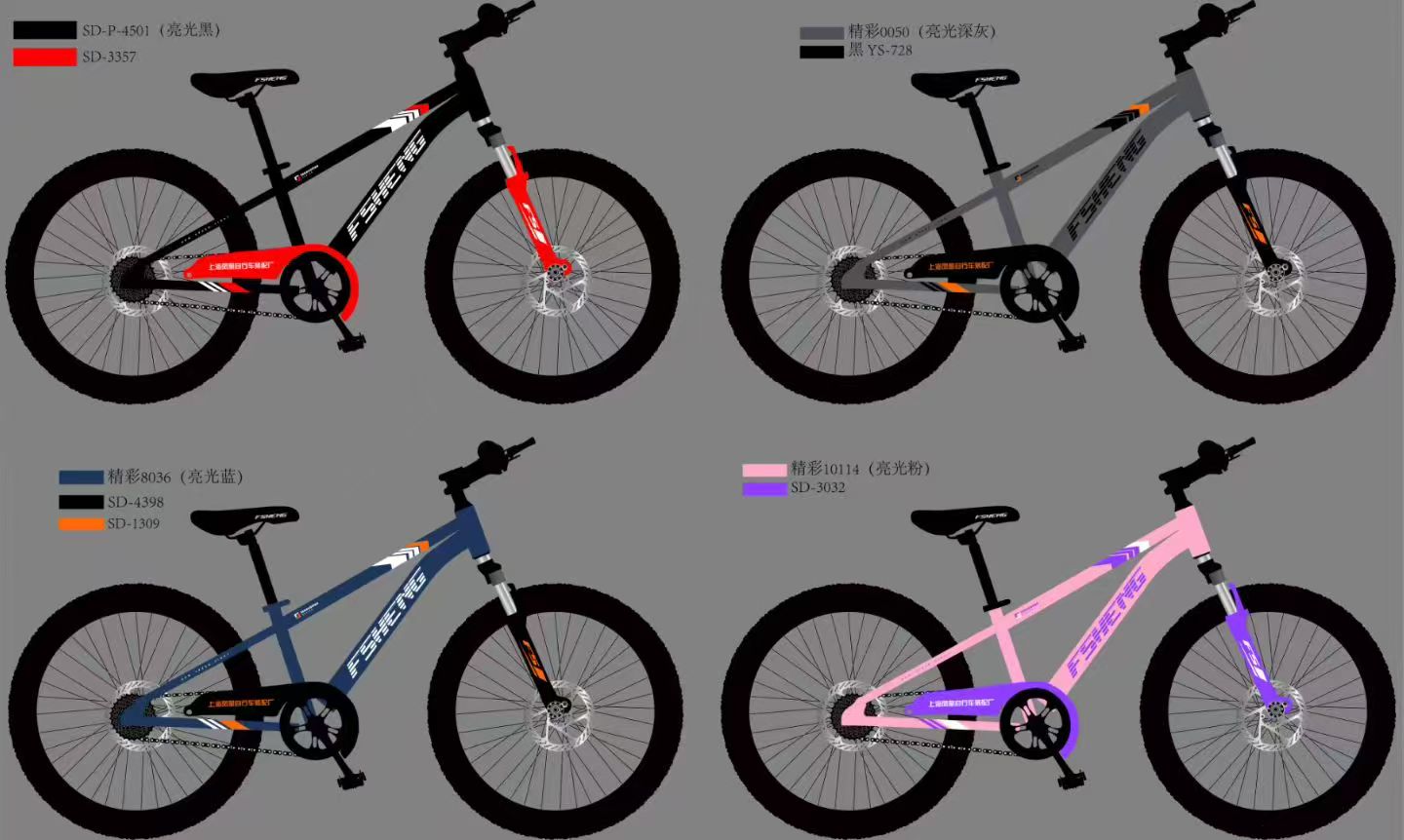
1. Define the program before choosing custom details
Start with the sales channel and the models that need to be covered. An importer supplying independent dealers may need a compact range with service parts, while a private-label distributor may prioritize consistent packaging, barcode placement and a defined assortment. These are different projects even if both use the same base bicycle.
Write down the destination markets, intended customer segment, model family, size or wheel-size range, target order structure, sales season and expected reorder pattern. State whether the request is for a complete bicycle, a frame-based project, or selected components and accessories. Mark every item that is still undecided instead of turning a guess into a purchase requirement.
For mixed orders, identify each model as a separate line. Do not combine quantities across models unless the supplier confirms how that affects minimum order quantities, color minimums, carton quantities and production scheduling. These commercial details vary by supplier and product; ask for written confirmation rather than relying on a general “OEM available” statement.
2. Separate OEM decisions from ODM decisions
In a typical OEM request, the buyer supplies a defined brand identity or product specification and asks the supplier to produce against an agreed brief. In an ODM discussion, the supplier may propose an existing design or configuration for the buyer to review and adapt. Actual scope differs by supplier, so make the responsibility split explicit in the quotation request.
Ask the supplier to mark each proposed change as one of the following:
- Existing specification with buyer branding only.
- Existing platform with selected component, color or packaging changes.
- New or substantially revised design that needs engineering review.
For every item, record who provides the artwork, who checks technical fit, who owns the source file, and whether the change can be repeated on later orders. A name such as “custom model” does not establish design ownership, exclusivity or intellectual-property rights. If any of those rights matter, put the agreed scope into the contract and have the responsible parties review it.
3. Build a specification matrix, not a mood board
A visual reference is useful for direction but not sufficient for production. Prepare a model-by-model matrix with a column for the buyer’s request, the supplier’s confirmed proposal, approval status and the controlling document or sample.
Depending on the bicycle, the matrix may include frame and fork material or model reference, frame size, wheel size, drivetrain configuration, brake type, handlebar and stem arrangement, saddle, tires, accessories and intended packing. Avoid inserting dimensions or component names that have not been checked against the actual model. Ask the supplier to identify any substitutions and explain what they affect.
Keep appearance choices separate from compatibility decisions. A color or decal change may be straightforward, while a different fork, wheel or brake can affect fit, clearance, assembly and spare-parts planning. Request confirmation that the proposed combination has been reviewed for the specific model, rather than assuming parts are interchangeable because they look similar.
A concise row can use this format:
| Field | Buyer request | Supplier confirmation | Approval evidence |
|---|---|---|---|
| Model / revision | Buyer’s model code | Supplier’s confirmed code | Quotation and sample label |
| Component set | Exact approved list | Feasibility and alternatives | Signed specification sheet |
| Appearance | Color reference and artwork | Printing or finish method | Approved artwork proof |
| Carton / marks | Destination and barcode needs | Pack format and mark position | Carton drawing or sample |
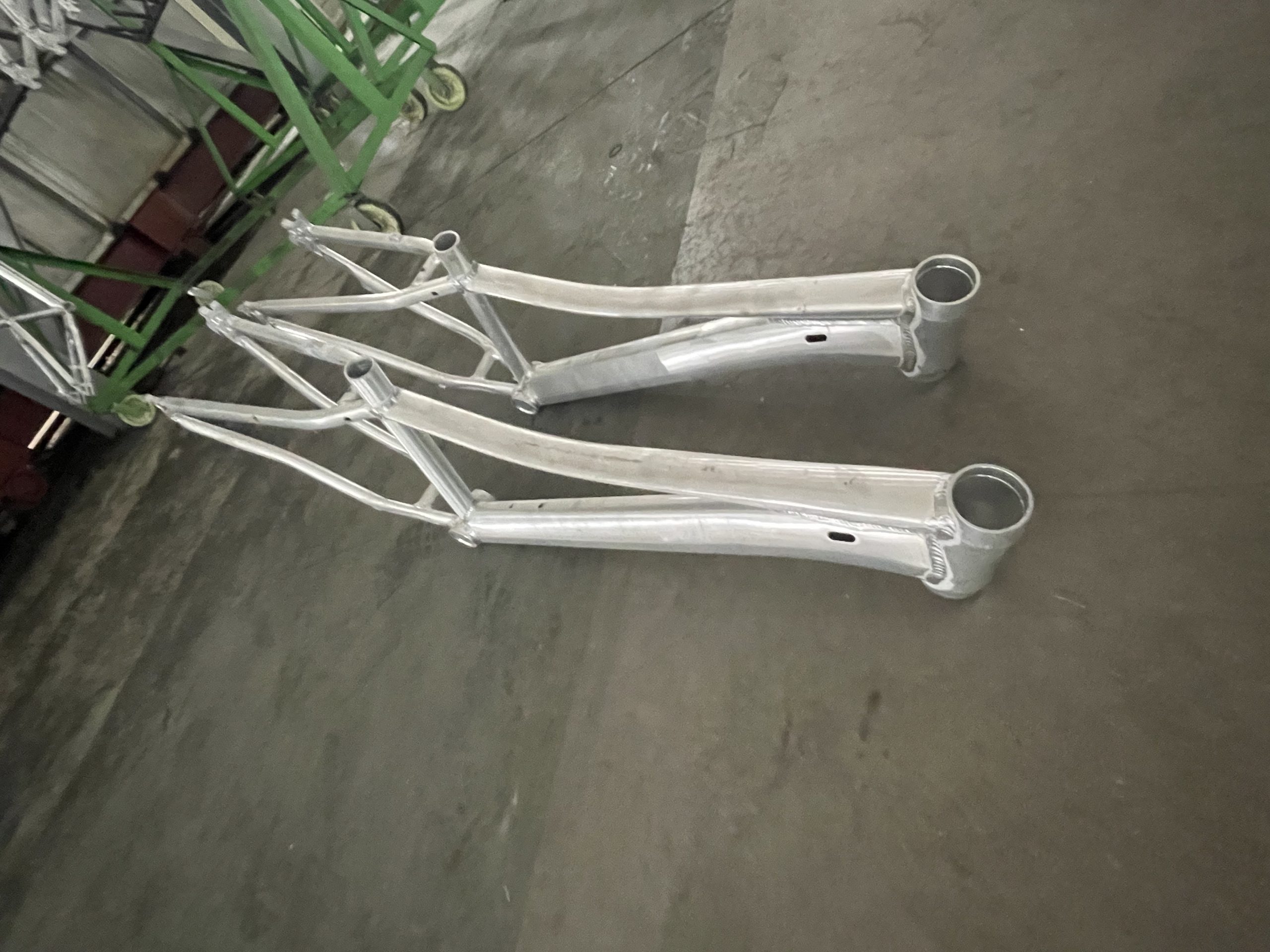
nn## 4. Confirm brand assets and artwork control
Collect the current logo files, color references, typography rules, legal marks and packaging artwork in one controlled folder. State the file format, version and intended location for each item. The supplier should return a proof showing scale, placement and legibility before production artwork is released.
Check the design on the actual surfaces where it will be used: frame, fork, chain guard, carton, manual or label as applicable. A small logo can look different on a curved tube than on a flat proof. Review alignment, color, spelling, contrast, barcode quiet zones and any required local-language text. Ask for a fresh proof when the frame size or graphic position changes.
Do not send low-resolution screenshots as final artwork if the supplier requires vector files. Agree whether the proof is for visual review only or also represents the production position. Keep dated approval records and do not treat a messaging-app “looks good” as a complete record if the artwork version is unclear.
5. Treat the sample as a controlled approval gate
A sample should represent the important decisions in the quotation: model, size, component configuration, finish, decals and packing details that could affect the buyer’s acceptance. If some custom elements cannot be shown on the first sample, list them separately with their approval method and due date.
Create a sample inspection sheet before the sample arrives. Record the model code and revision, compare parts with the matrix, inspect visible finish and graphic placement, and check assembly-related fit on the intended configuration. Photograph differences and label each image with the model, area and date. If the sample is not approved, issue a numbered correction list and ask the supplier to confirm which items will change.
After approval, identify the sample or signed reference set and define how it will be retained. The purchase order should state that production must follow the approved specification and sample, subject to documented changes. For a detailed buyer checklist, see the bicycle sample approval guide.
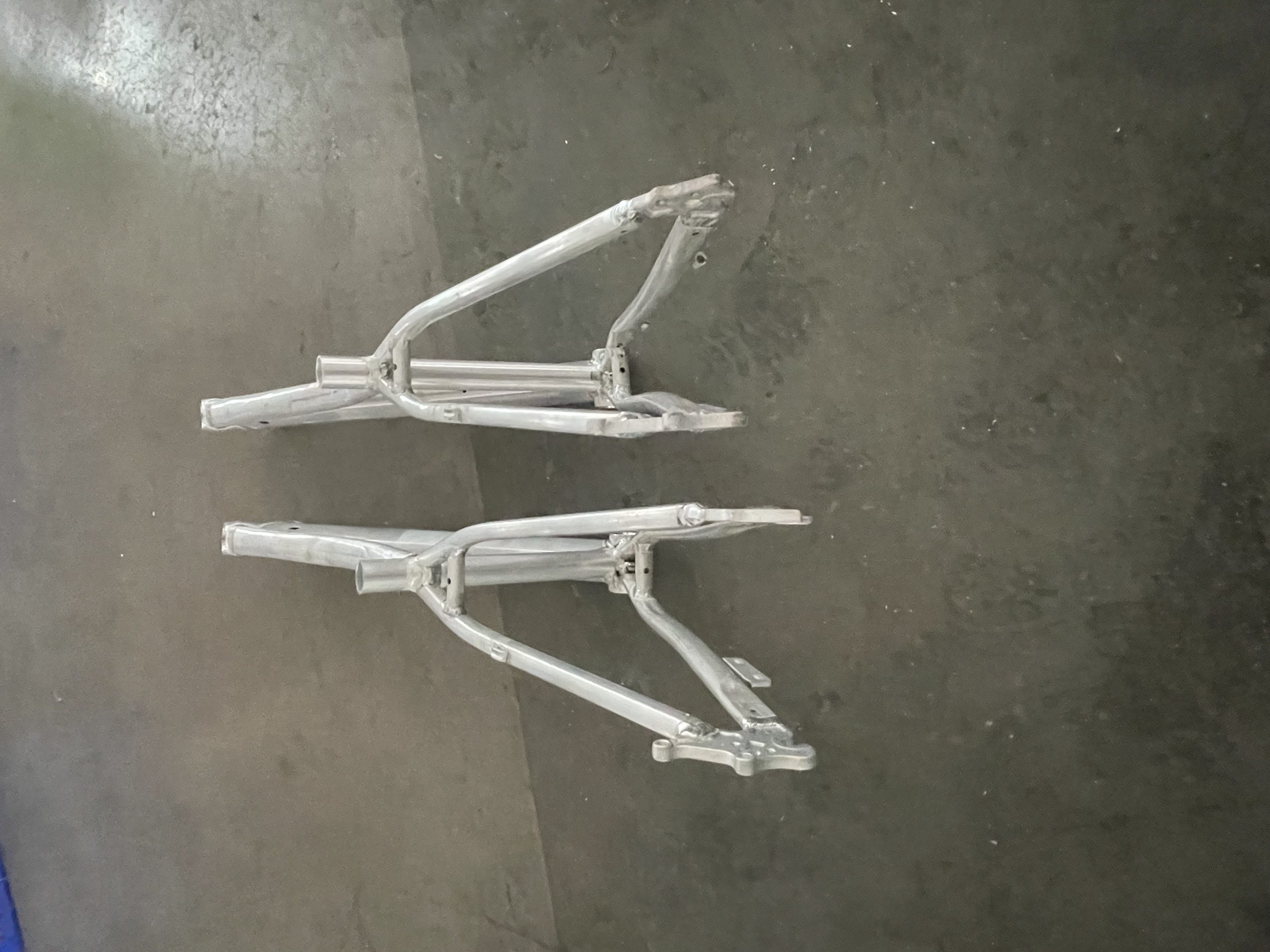
nn## 6. Lock packaging, labels and shipment information
Packaging is part of the product program because it affects damage risk, warehouse handling, shelf presentation and receiving checks. Confirm the packing method for each model, protective materials, carton dimensions if supplied, units per carton, carton marks, barcode position and included documents. These details must be confirmed for the actual model and destination; this guide does not state a universal carton size or packing quantity.
If the order includes more than one model, ask for a packing list that separates model codes, quantities and carton ranges. Confirm how cartons will be identified so a warehouse can receive mixed products without opening every carton. If a container plan is supplied, verify it against the final carton data and loading method rather than treating an estimate as guaranteed capacity.
Agree the document set and the party responsible for each file. The exact documents depend on the trade terms, destination and transaction. Do not claim that a generic list satisfies the buyer’s customs or regulatory requirements; confirm those with the buyer’s broker and relevant authorities. For carton-level checks, use the bicycle carton packaging checklist.
7. Put change control and commercial terms in writing
Customization projects often drift when artwork, components or packaging change after quotation. Keep a change log with request date, item changed, reason, cost or schedule effect if confirmed, revised file or sample reference, and approval by both sides. A change is not production-ready until the responsible buyer has approved the revision and the supplier has confirmed its impact.
The commercial quotation should identify the model configuration and version being priced. Ask the supplier to state which details are included and which are optional or still unconfirmed. Confirm the applicable MOQ, any per-color or per-model minimum, sample charges, payment milestones, production lead time, inspection arrangement, packaging cost and delivery terms in writing. These figures cannot be inferred from an article and should never be copied from another bicycle program.
Use the purchase contract to align product description, drawings, approved sample, tolerance or acceptance method where applicable, branding files, packing, delivery schedule, payment, inspection, remedies and change approvals. The bicycle purchase contract checklist provides a buyer-side list of fields to review.
8. Manage production with checkpoints, not assumptions
Agree the milestones that matter to the order: specification freeze, artwork approval, sample approval, material or component confirmation, production start, in-process review if applicable, final inspection and shipment release. The supplier should confirm which checkpoints are available and what evidence will be returned at each one.
If the order contains multiple sizes or models, select representative units using a written sampling plan agreed with the supplier. Check that production labels and carton marks match the approved code. If a substitute component is proposed, pause approval for the affected line until compatibility, appearance, cost and timing are documented.
The buyer’s quality plan should reflect the product, sales channel and destination obligations. Do not use a generic inspection pass as proof of compliance with a regulation or certification. Ask for the applicable test reports or declarations only when required, and verify that the document names the exact model or component being purchased.
9. RFQ checklist for an OEM/ODM bicycle project
Before sending the request, prepare the following:
- Target market, channel, season and expected assortment.
- Model codes, sizes and requested quantities by model and color.
- Existing specification or reference sample, with known gaps marked.
- Brand assets, artwork version and requested applications.
- Component list and any must-have compatibility requirements.
- Packaging, carton marks, barcode and manual-language needs.
- Sample approval process and who signs off each decision.
- Requested MOQ, quotation basis, lead-time estimate and delivery terms—each supplier-confirmed.
- Required inspection records and destination-specific compliance documents.
- Contact for technical questions and the person authorized to approve changes.
Send a concise brief first, then attach the specification matrix and artwork. Ask the supplier to return a line-by-line response that distinguishes confirmed items from open questions. This makes quotations easier to compare and reduces the risk that two prices refer to different configurations.
Questions importers should ask before placing the order
Compare the relevant product groups before finalizing the customization brief: children’s bicycles, mountain bicycles, compatible bicycle parts. Confirm model availability against the current catalog.
Can the supplier change the design after the sample is approved?
Only through a documented change process. Ask the supplier to identify cost, timing, compatibility and approval effects before authorizing the revision.
Is a logo-only order the same as an OEM program?
Not necessarily. Confirm whether the scope includes only branding or also components, finish, packaging, documentation and repeat-order controls.
How should the buyer compare quotations?
Normalize the model configuration, included items, packaging, sample basis, commercial terms and delivery assumptions. A lower figure is not comparable if the specification or included work differs.
What information is needed for an accurate MOQ and lead-time answer?
Provide model, size and color breakdown, requested changes, packing requirements and target shipment window. Ask the supplier to confirm the actual minimum and schedule for that specific order.
Request a quotation
Send BOLUN your target market, bicycle category, model or reference, quantities by size and color, branding files, packaging needs and destination. Mark uncertain specifications so they can be reviewed instead of assumed. Use the Contact Us inquiry form to request an OEM/ODM quotation and a line-by-line feasibility response.
Where this sits on the site
If you are putting a container together, the pages below carry the model range, the trade terms and the quote form.