
A first import fails less often on price than on sequence: a deposit paid before the specification is fixed, a shipment booked before the documents are checked, an arrival date assumed rather than calculated. The timeline below sets out a workable sequence for a first bicycle order, with the decisions that have to be made at each stage.
The durations are working assumptions, not promises. Ocean transit alone varies by route and season, so the plan should be rebuilt with actual sailing dates once the supplier and forwarder are fixed.
Days 1 to 15: enquiry and shortlisting
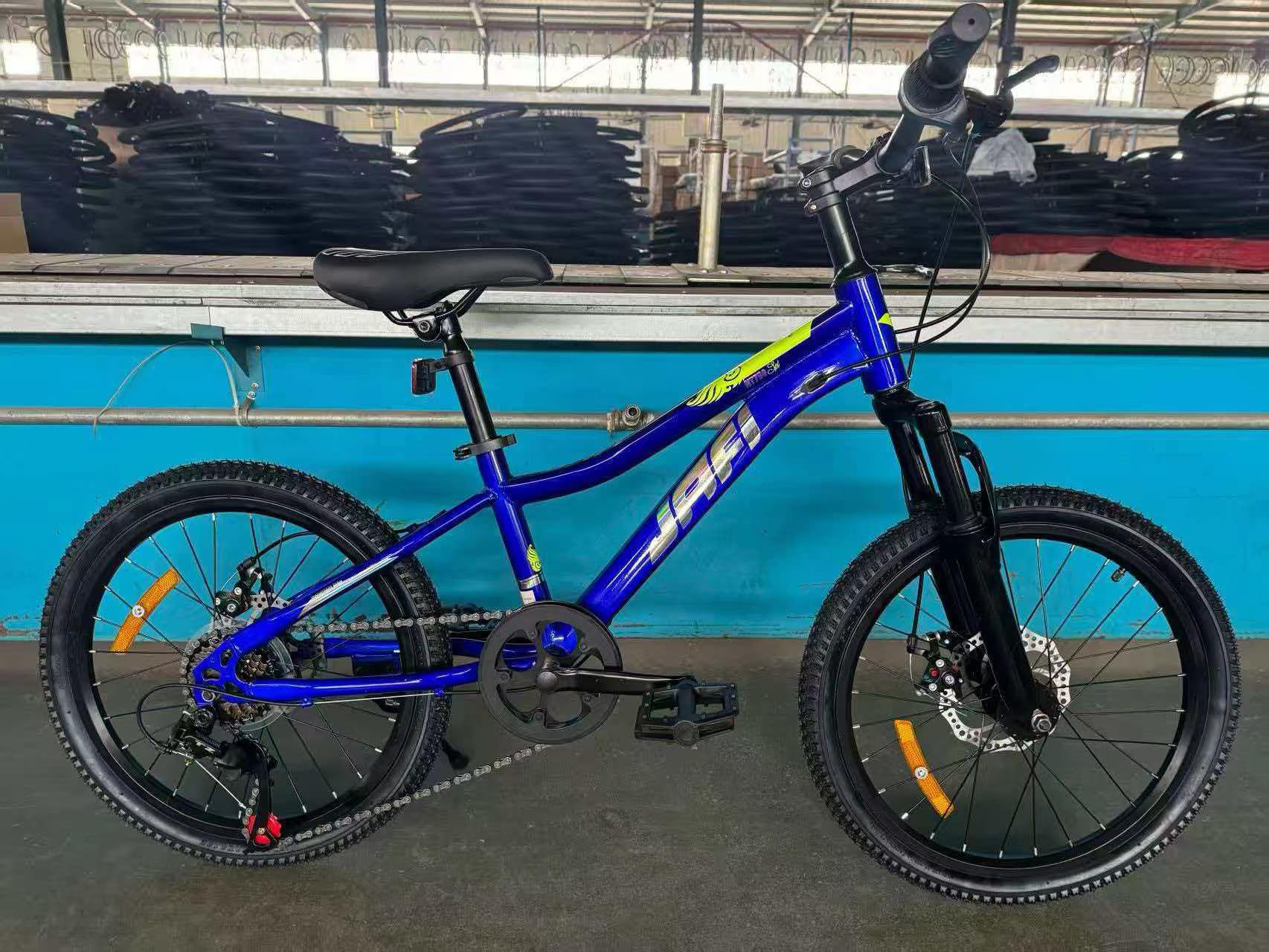
Start with a range that matches the market, not with the widest catalogue available. For a first order, two or three models in two or three size options is enough to test the market and the supply chain.
Send the same structured enquiry to each candidate supplier: target models, annual volume estimate, planned first order quantity, destination market, required certifications and the price term you want quoted. A supplier who answers the specification questions with a specification sheet is more useful than one who answers only with a price.
At this stage, collect the commercial basics: business licence, production scope, existing export markets. BOLUN’s supplier verification guide sets out what to check before any money moves.
Days 16 to 35: sample and specification
Order samples of the shortlisted models. Sample cost is small relative to the cost of a wrong first container.
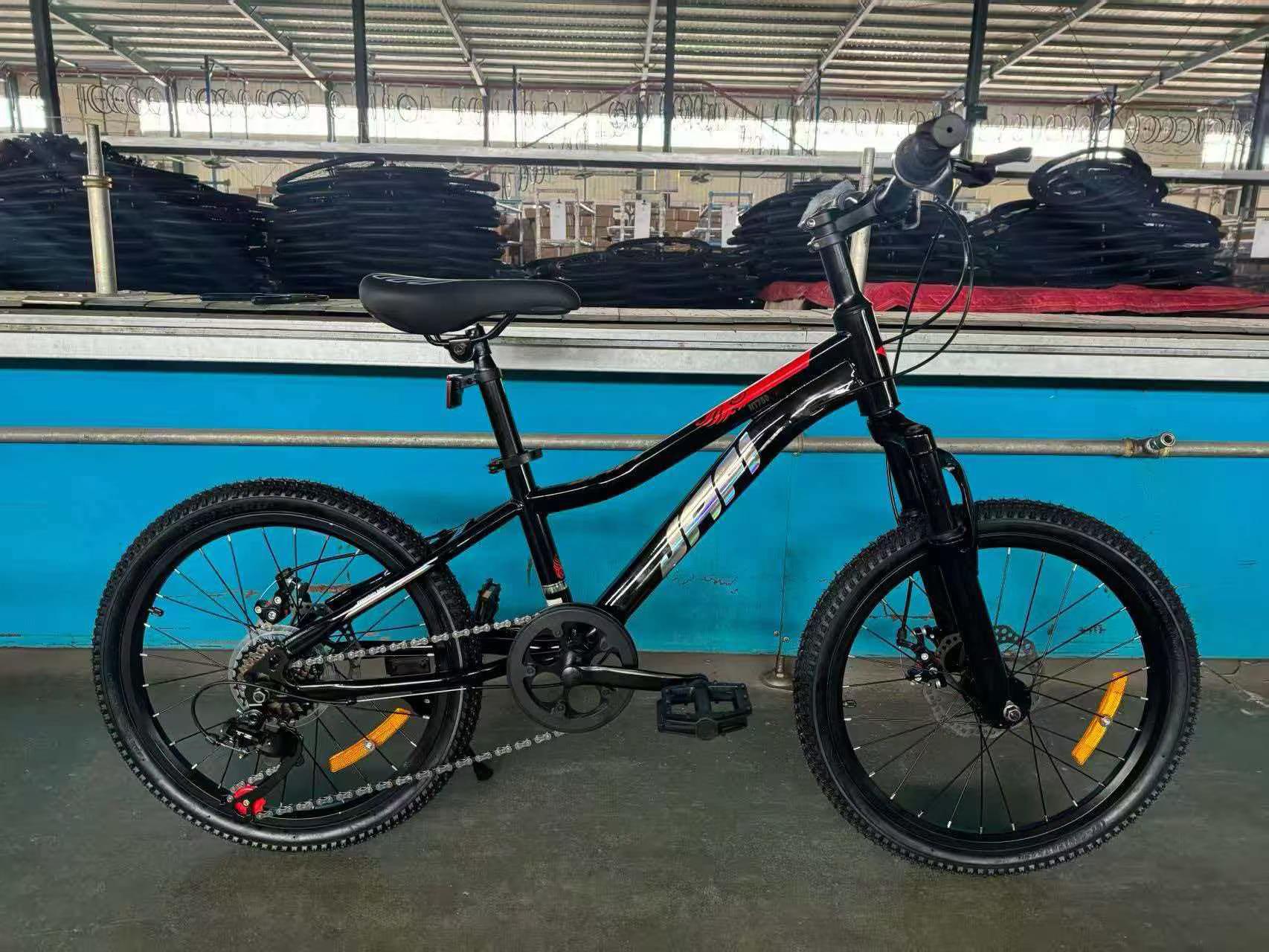
Approve the sample against a written specification, photograph it, weigh it, and record what is included in the build. Where the sample deviates, decide whether the deviation becomes the standard. Keep one unit as the reference and label it, as described in the sample to production guide.
In parallel, confirm the compliance requirements for the destination market: labelling, reflectors, brakes, and any certification the market requires for children’s bicycles in particular. This is the stage where a missing requirement is cheapest to fix.
Days 36 to 45: quotation, contract and deposit
Now the quotation can be compared properly, with the specification fixed. The quotation guide lists the fields that make two offers comparable.
The contract should carry the specification annex, the packing specification, the inspection standard, the defect terms, the payment structure and the delivery window. The contract checklist covers the clauses; the payment terms guide covers how the deposit and balance should be structured.
Pay the deposit only when three things are true: the specification is written and approved, the payment details have been verified independently of the quotation email, and the contract is signed.
Days 46 to 75: production and inspection
Production of a first order usually takes three to five weeks depending on model complexity and season. Two checkpoints matter more than the rest:
The pre-production approval: photos of the first units with production paint and components, compared against the sample.
The pre-shipment inspection: carton count, model and colour mix, component check against the specification, and packing condition. The pre-shipment inspection checklist lists what to record; the carton checklist covers the packing side.
Book the shipment only when the inspection result is acceptable and the carton data has been confirmed against the booking.
Days 76 to 90: documents, sailing and arrival preparation
Before the vessel sails, confirm the document set: commercial invoice, packing list, bill of lading, certificate of origin where applicable, and any certification required by the destination. Errors in the invoice or packing list are cheaper to correct before sailing than after.
While the container is at sea, prepare the arrival side: customs broker appointed, duty and tax provisioned, warehouse space booked, and the assembly or trade plan for the first units. The assembly state guide explains what work arrives with the container in each packing format.
On arrival, inspect before releasing to trade: count cartons, check the model mix, open a sample of cartons, and compare against the approved sample. Record damage with photographs before the container is emptied.
The four decisions that decide the plan
- Range width: two or three models beats ten for a first order.
- Specification discipline: written annex, approved sample, no verbal changes.
- Payment control: verified bank details, deposit against a signed specification.
- Inspection before booking: the cheapest place to catch a problem is before the container leaves.
Each of these is a decision rather than a task, and each one is easier to make before the order exists than after the container is booked.
What to have ready before day 1
- A shortlist of models with intended trade prices in the destination market.
- An annual volume estimate, even a rough one.
- The compliance requirements for the destination, checked with a broker or the authority.
- A forwarder contact who can quote before the order is placed.
- A file structure for the specification, sample record, inspection reports and documents.
A first import is a sequence of small decisions. The plan above orders them so that the expensive ones are taken with information available, rather than under schedule pressure.
Related guides on this site
Other guides in this series cover the decisions that sit next to this one:
- supplier verification before a deposit
- sample to production consistency
- the pre-shipment inspection checklist
All buyer guides on this site are indexed on the bicycle wholesale buying guides page.
Where this sits on the site
If you are putting a container together, the pages below carry the model range, the trade terms and the quote form.